Maxwell Holyoke-Hirsch is a product designer and illustrator in New York, specializing in design systems, UX/UI, and brand identity. Maxwell designs products at Rain, a stablecoin payments platform that helps businesses issue cards and move money across borders. Outside of Rain, Maxwell designs and builds full-stack software.
Maxwell’s editorial illustrations have appeared in The New York Times, The New Yorker, and The Washington Post. Other clients include Bloomberg, Bureau Borsche, Dwell, Harvard Business Review, Institutional Investor, MIT Technology Review, Oscar Health, and more.
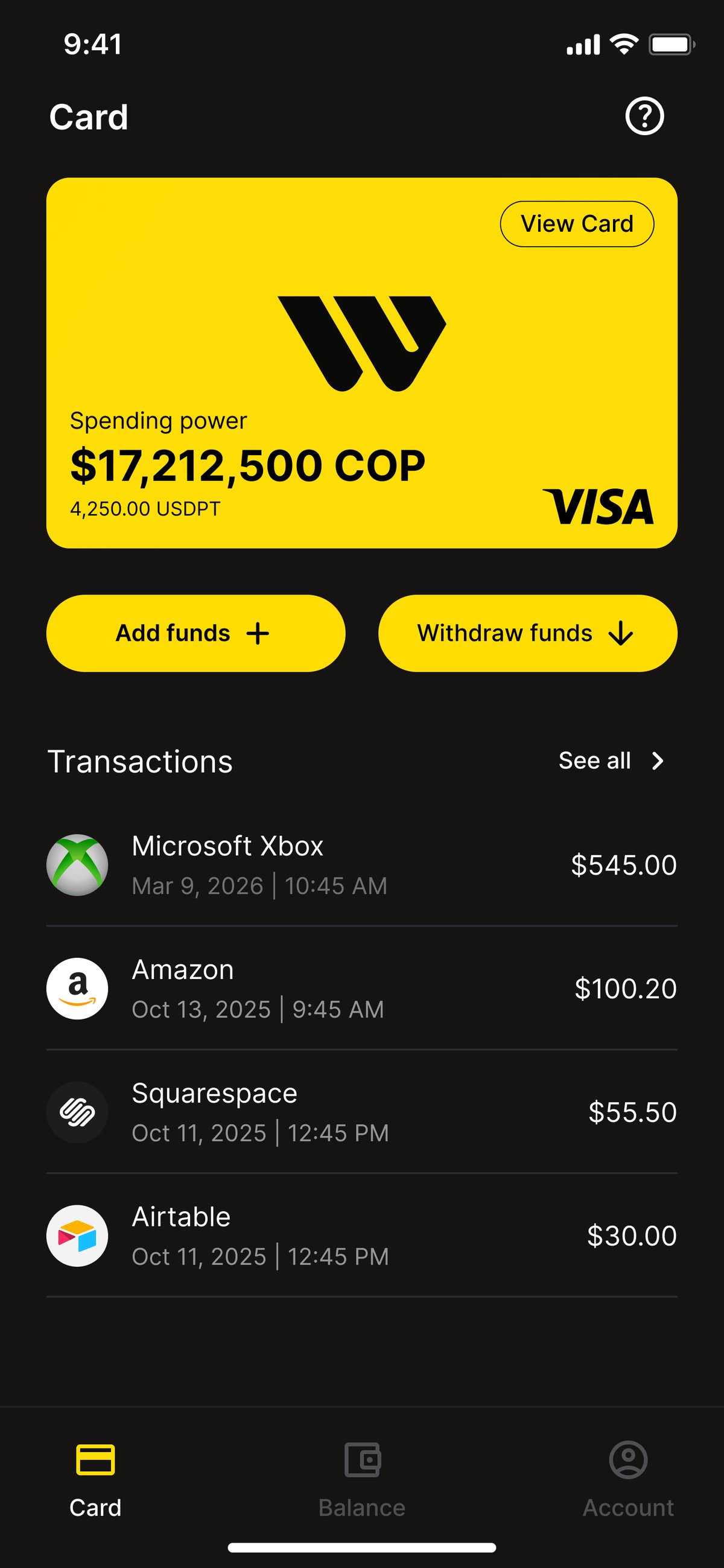
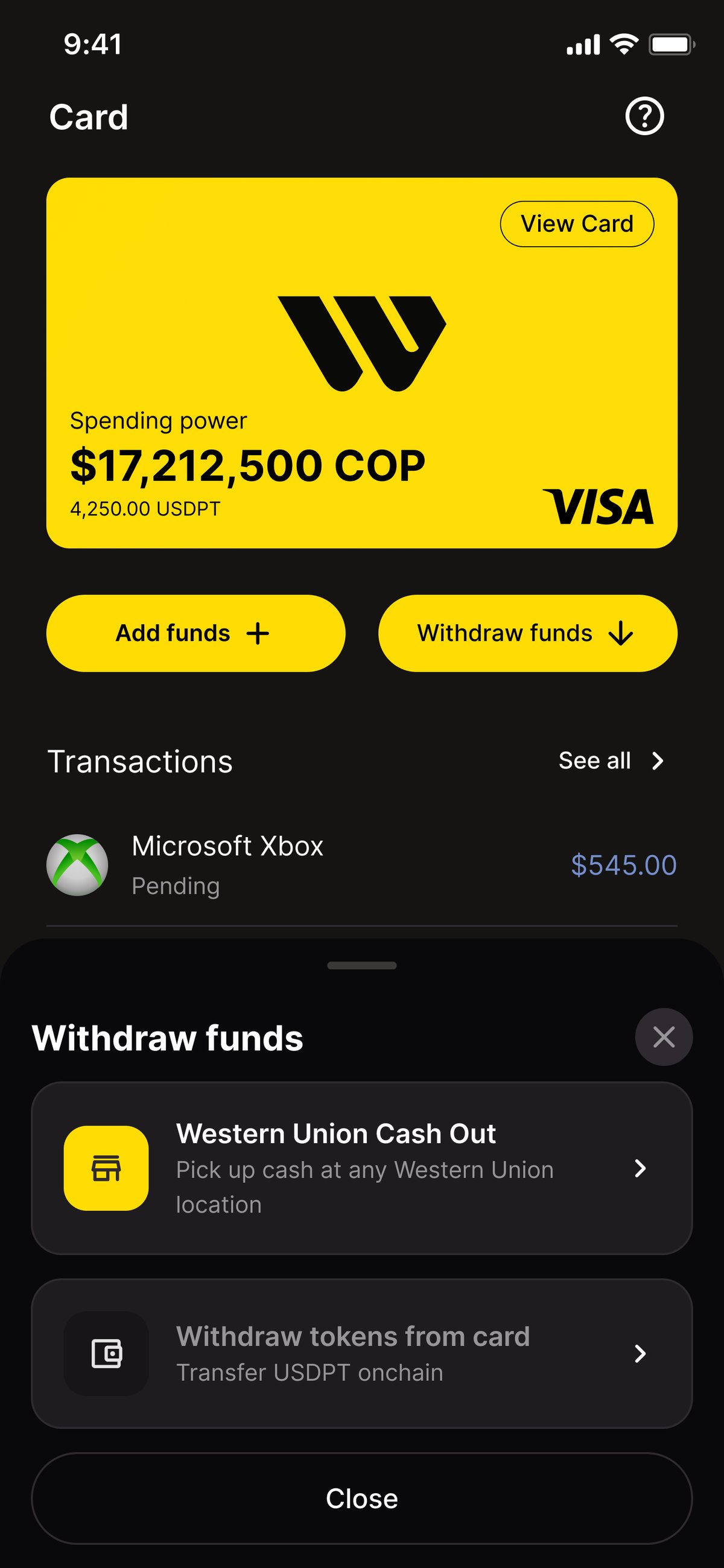
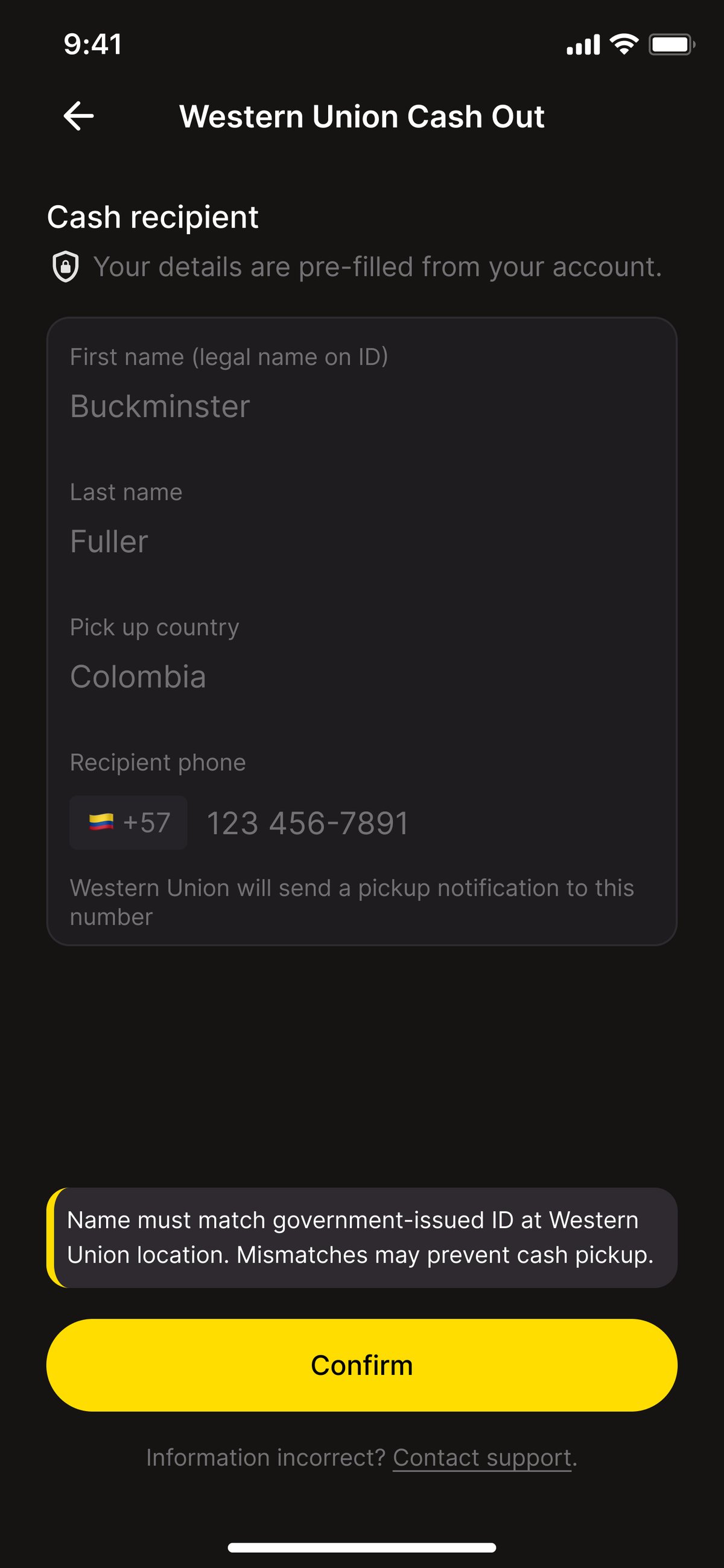
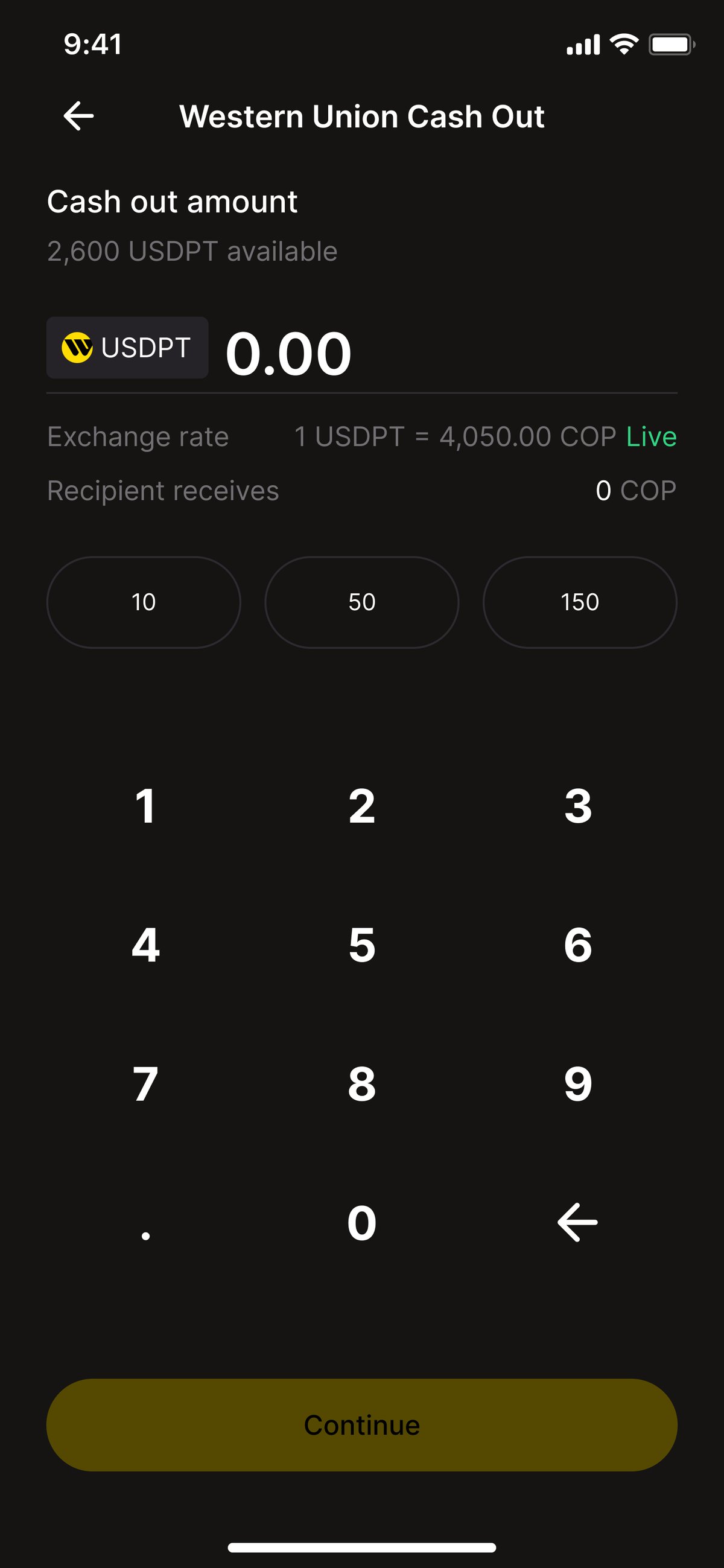
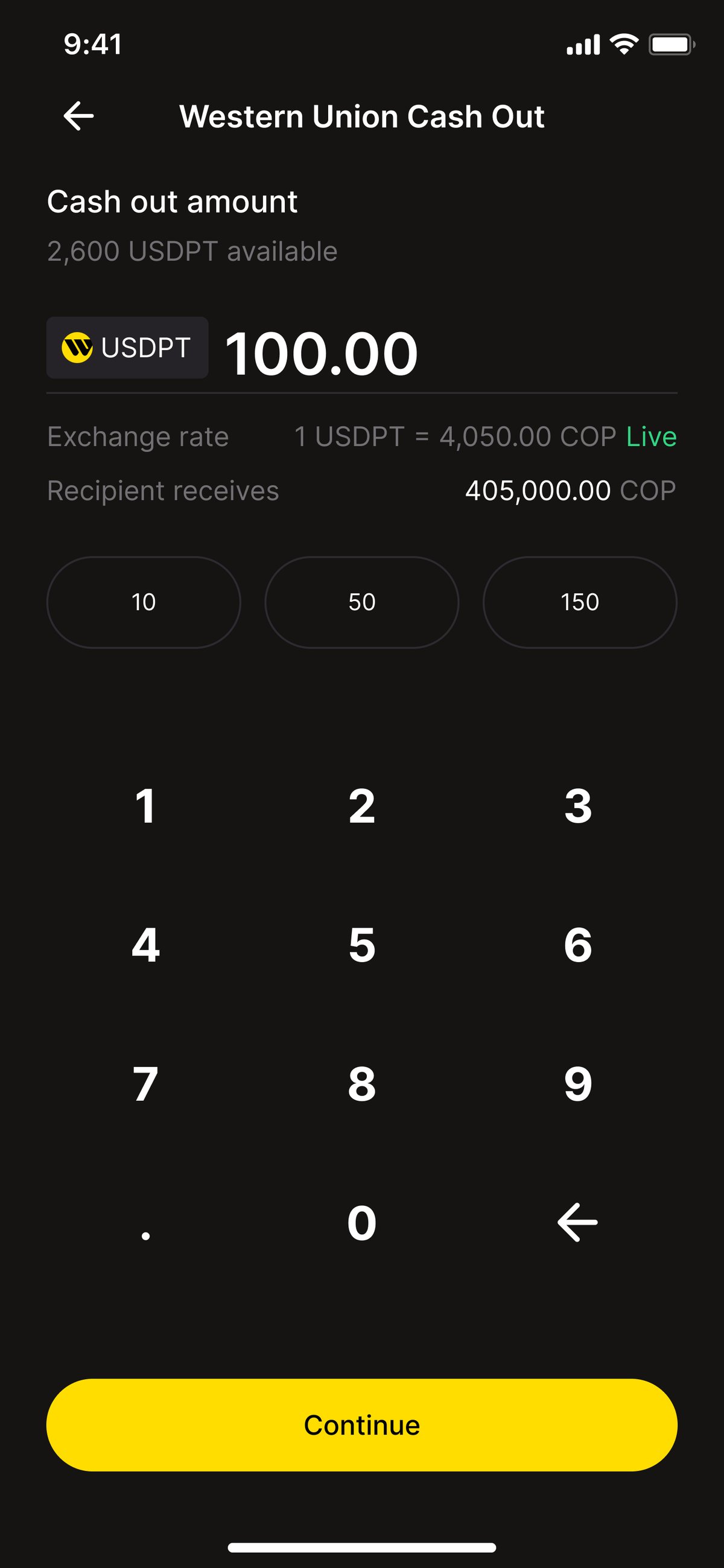
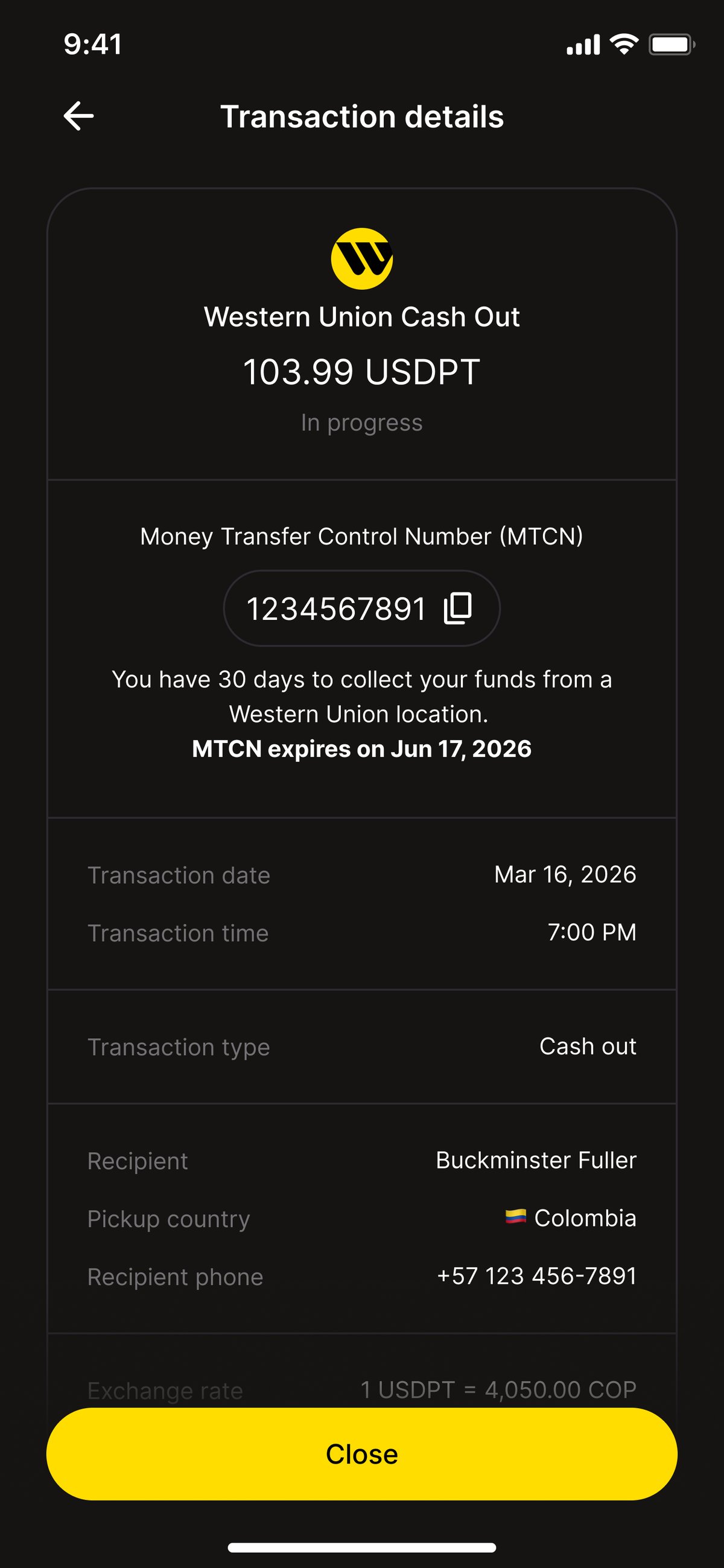
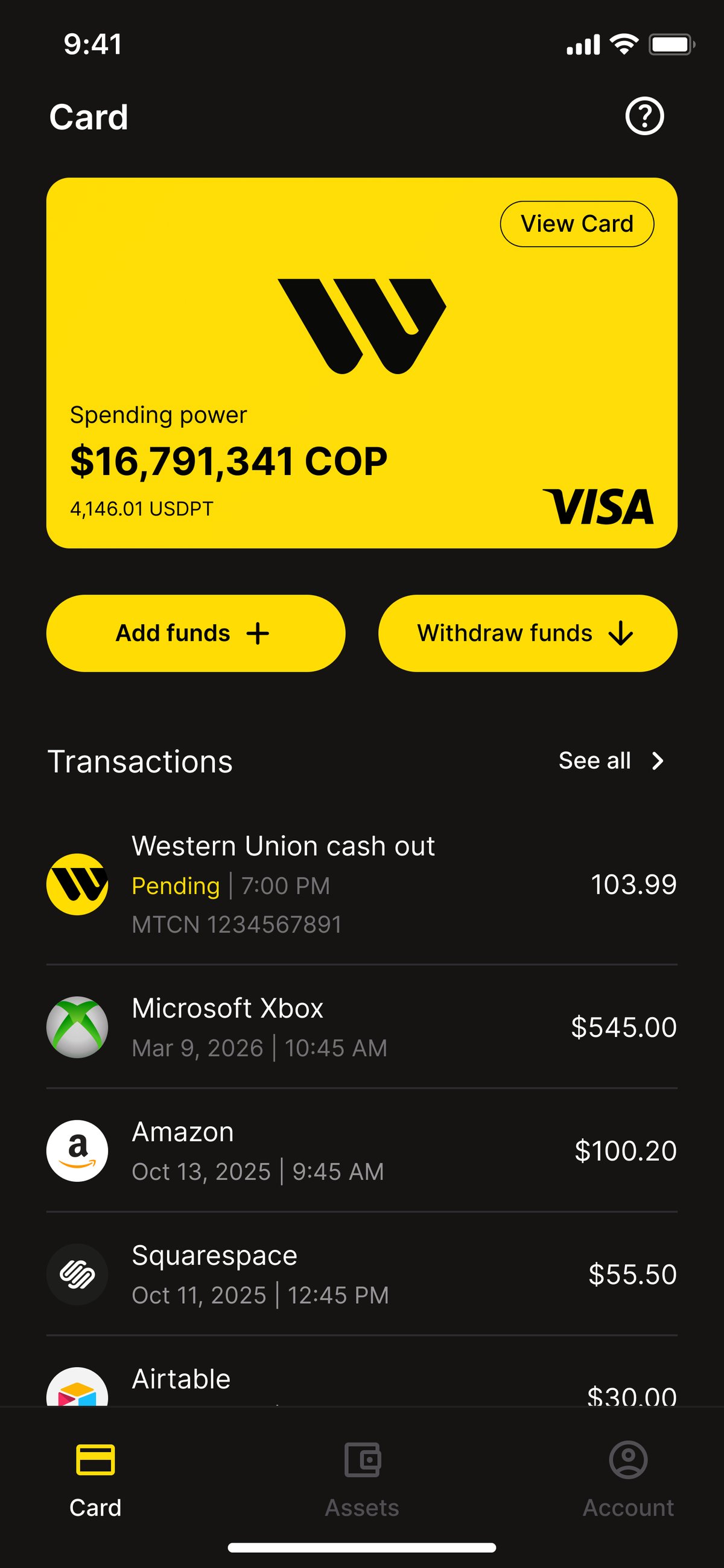
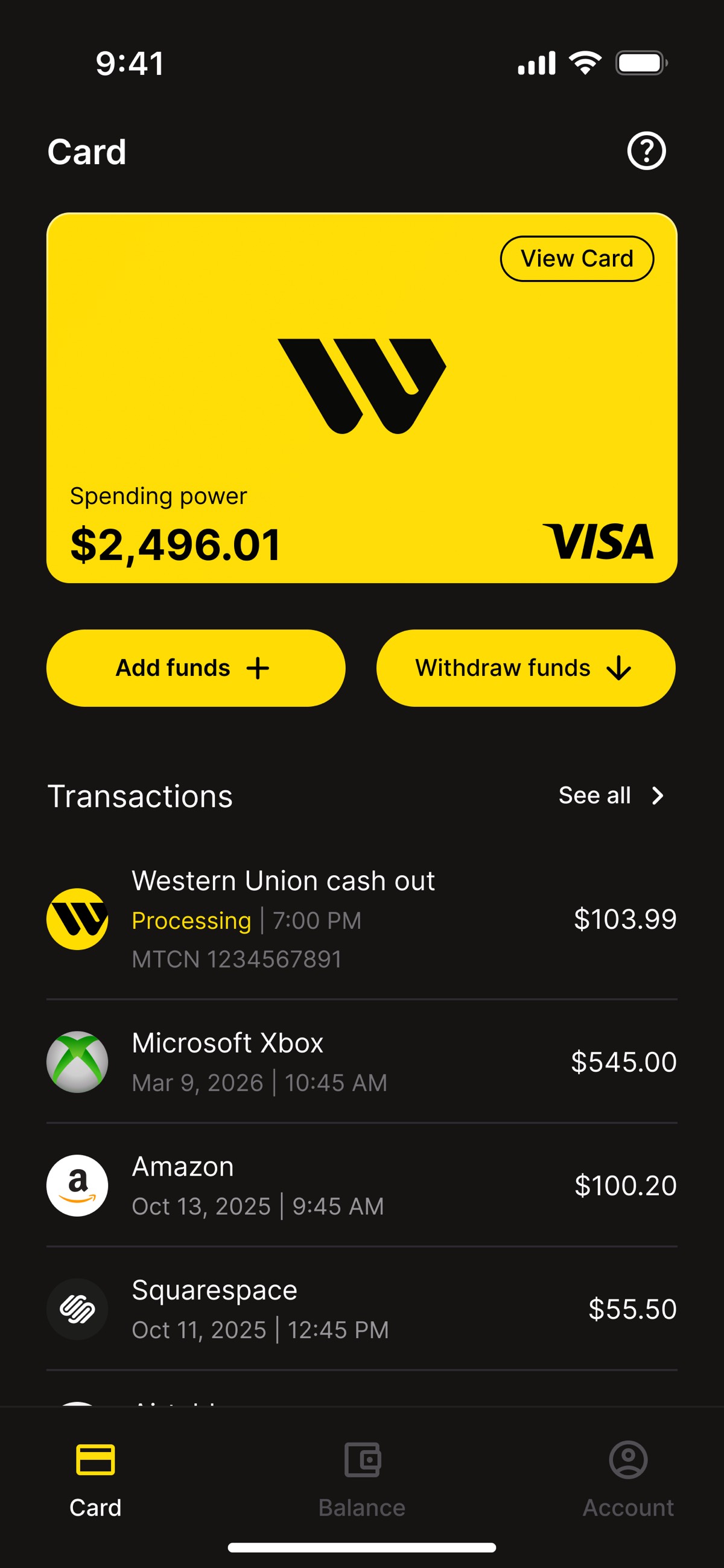
Stablecard by Western Union is a Visa card backed by USDPT, the US Dollar Payment Token. This flow lets cardholders in Latin America cash out their USDPT balance at a Western Union location and collect local currency. About Stablecard
07
Petal
Credit card app
Product
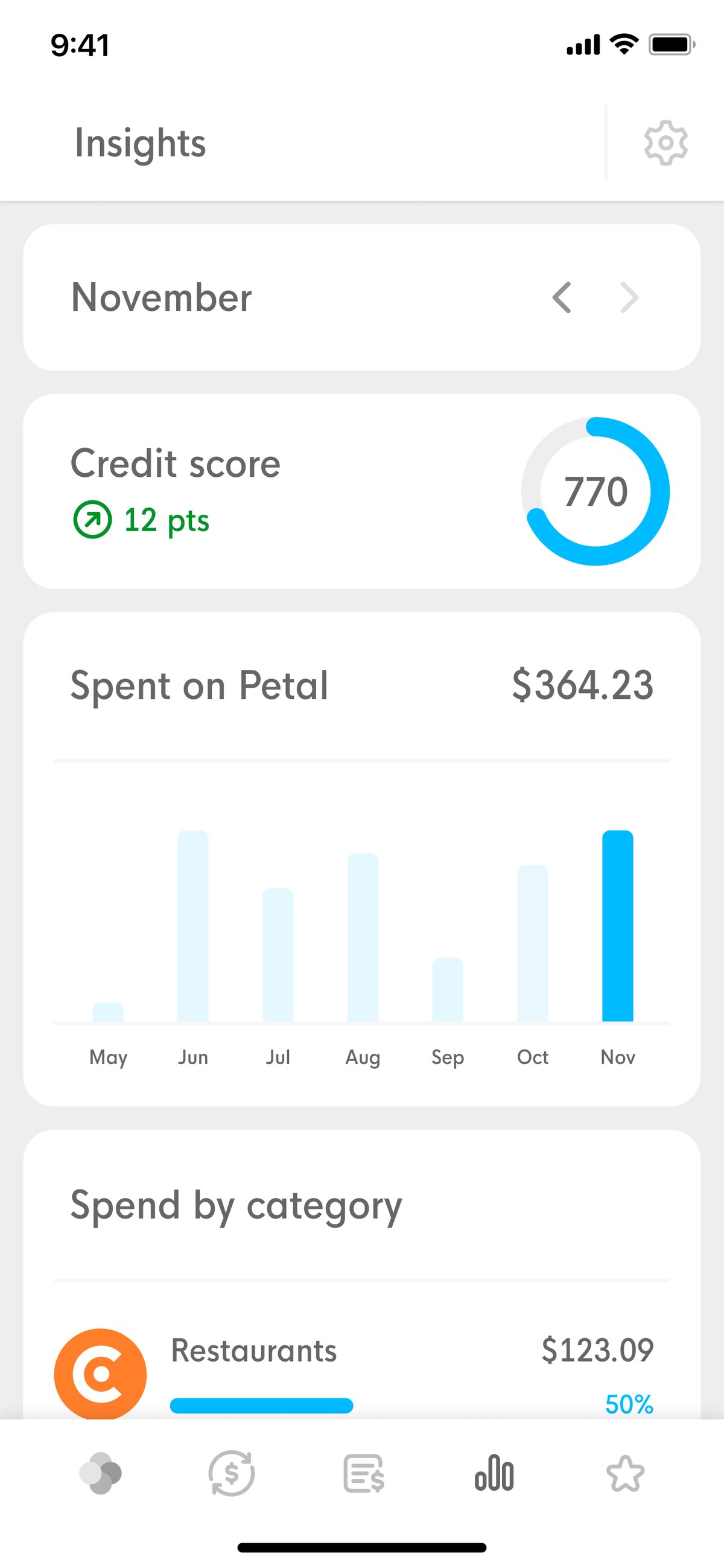
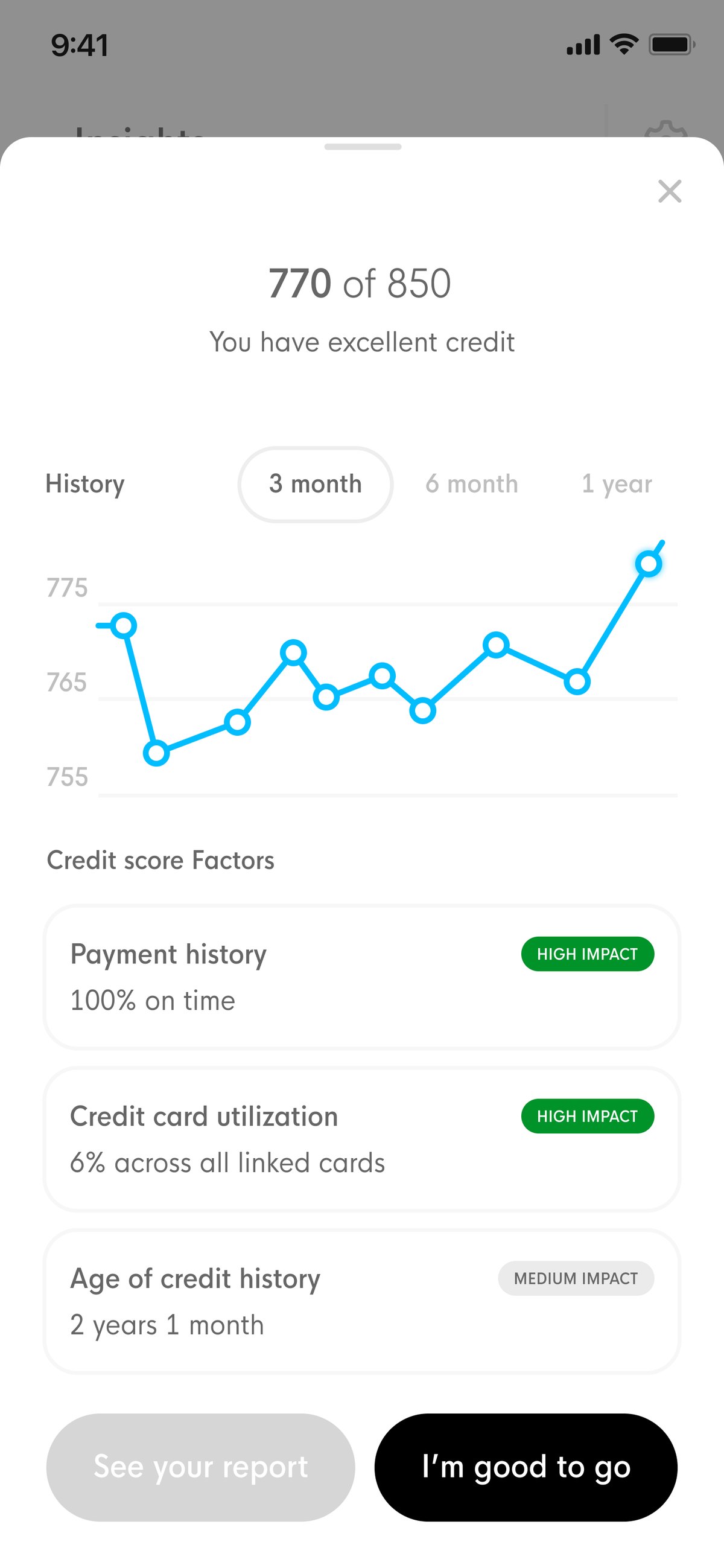
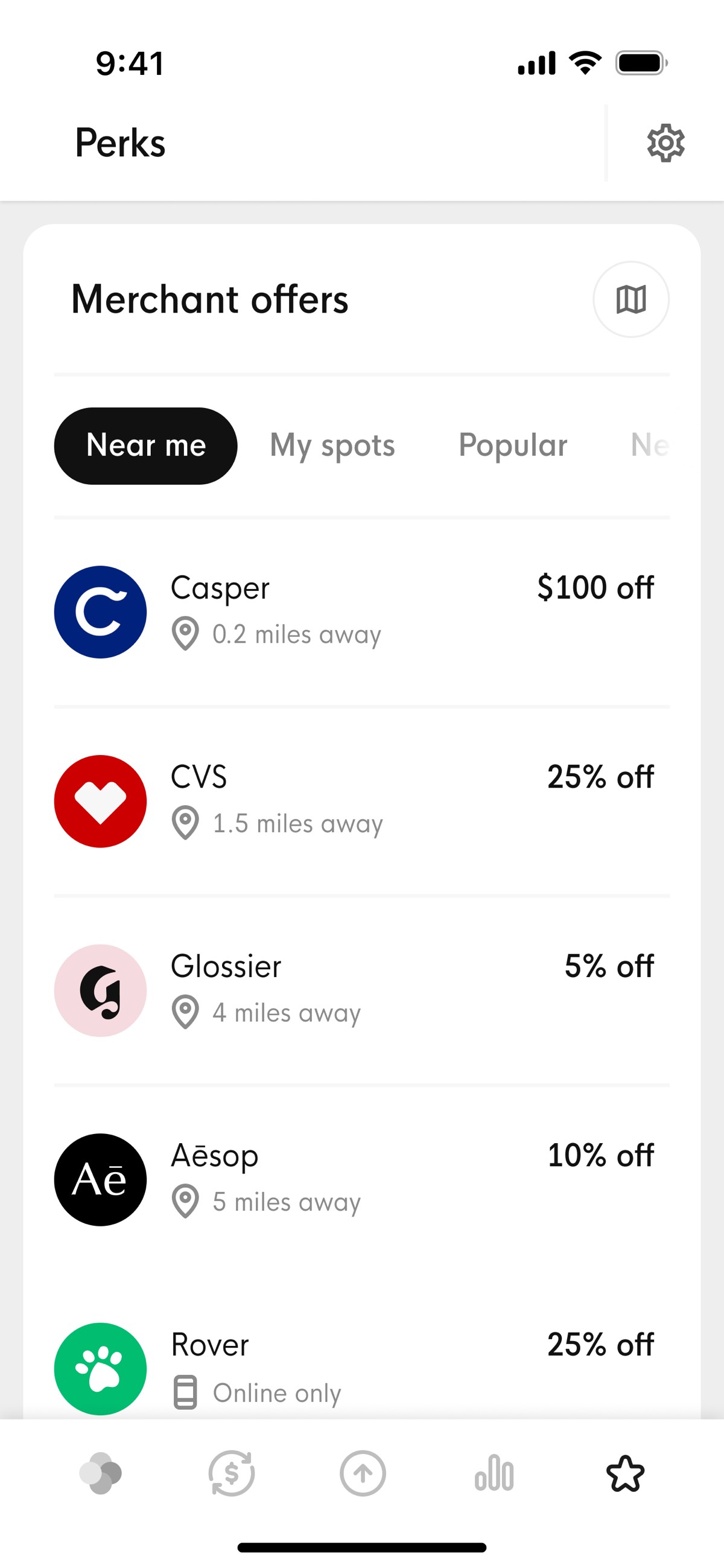
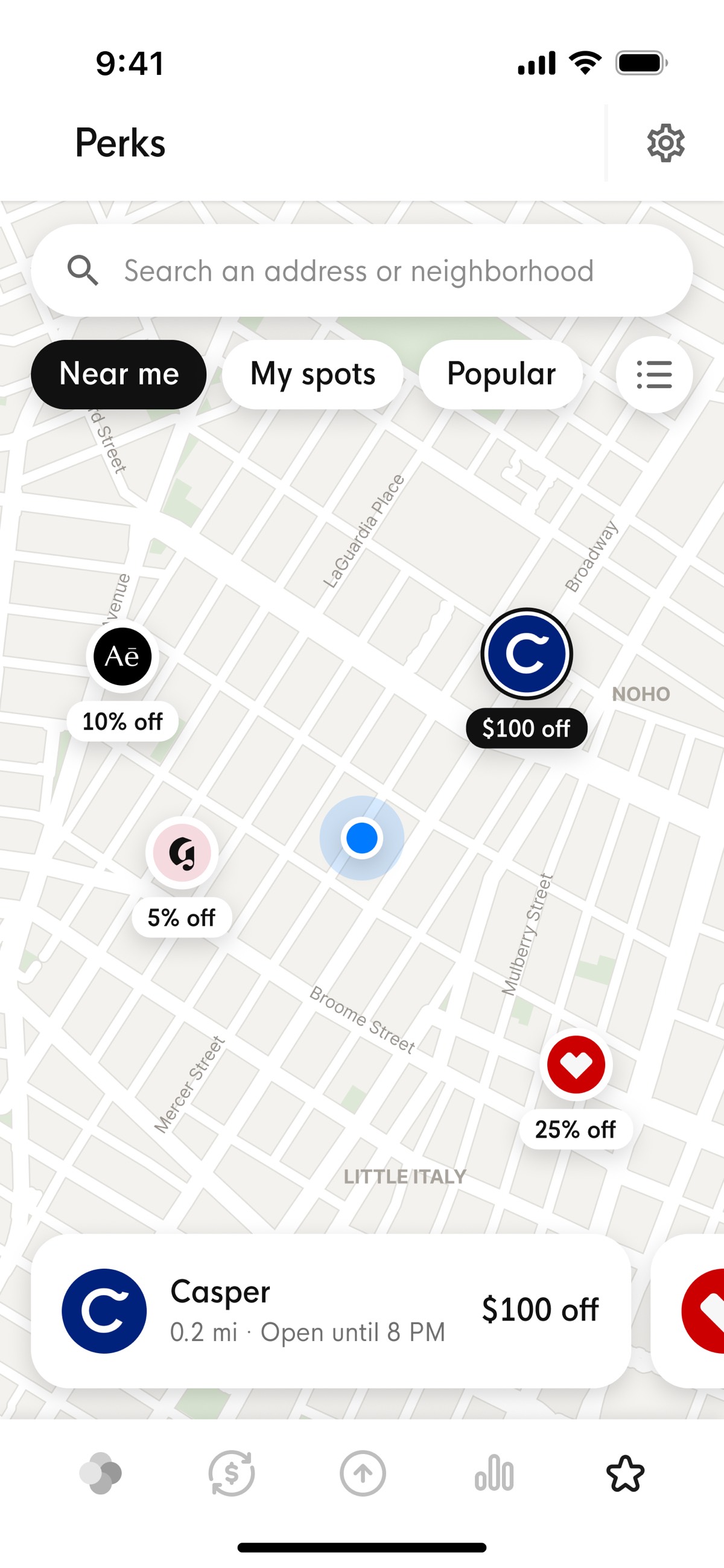
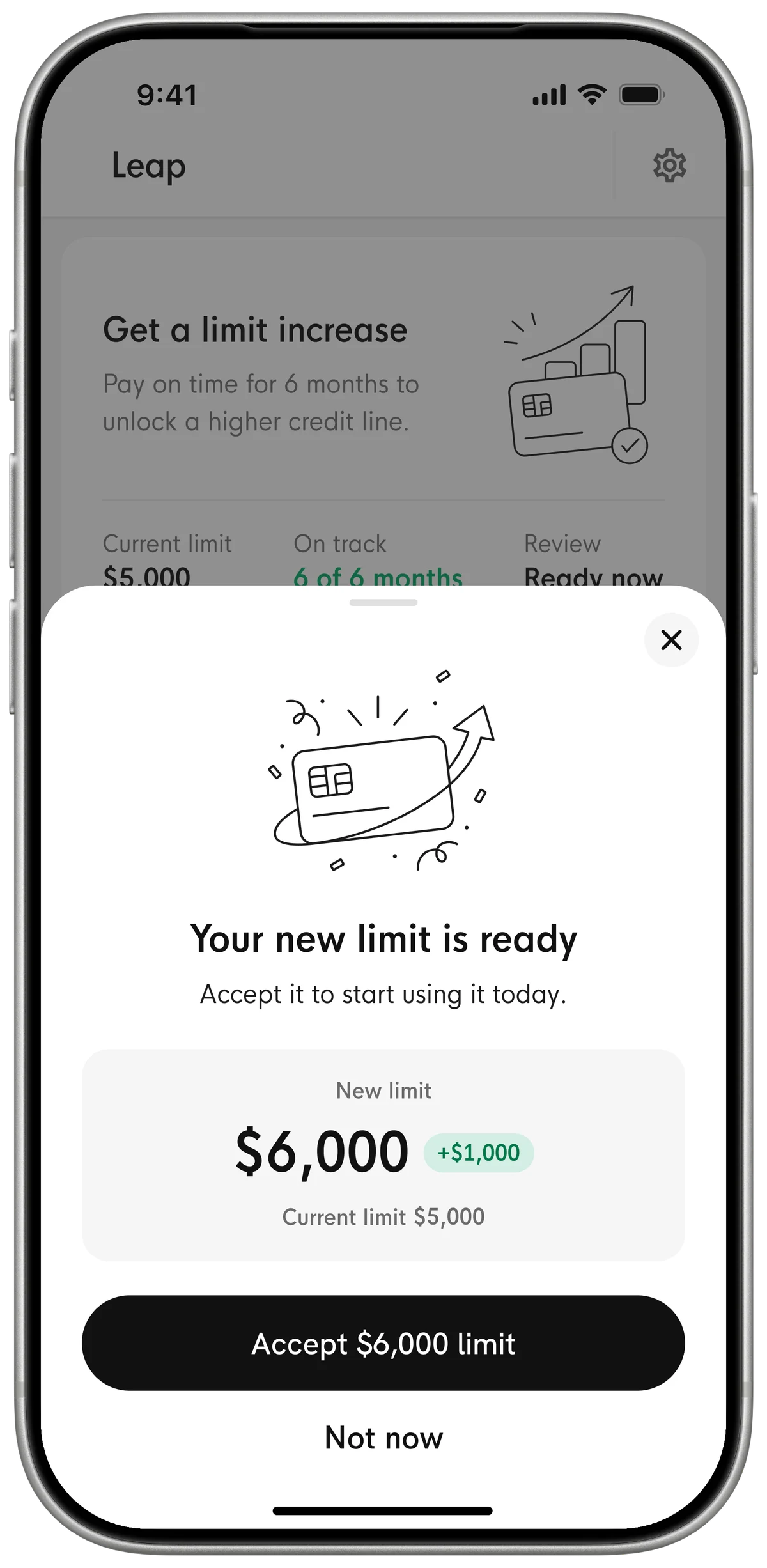
Screens for the Petal app, a credit card built for people new to credit: bank linking, the home balance, Leap credit limit increases, credit insights, and merchant offers. Explore how we designed Leap to help members grow their credit limits. View Leap case study
08
Shinshin
Identity for a sushi restaurant
Branding
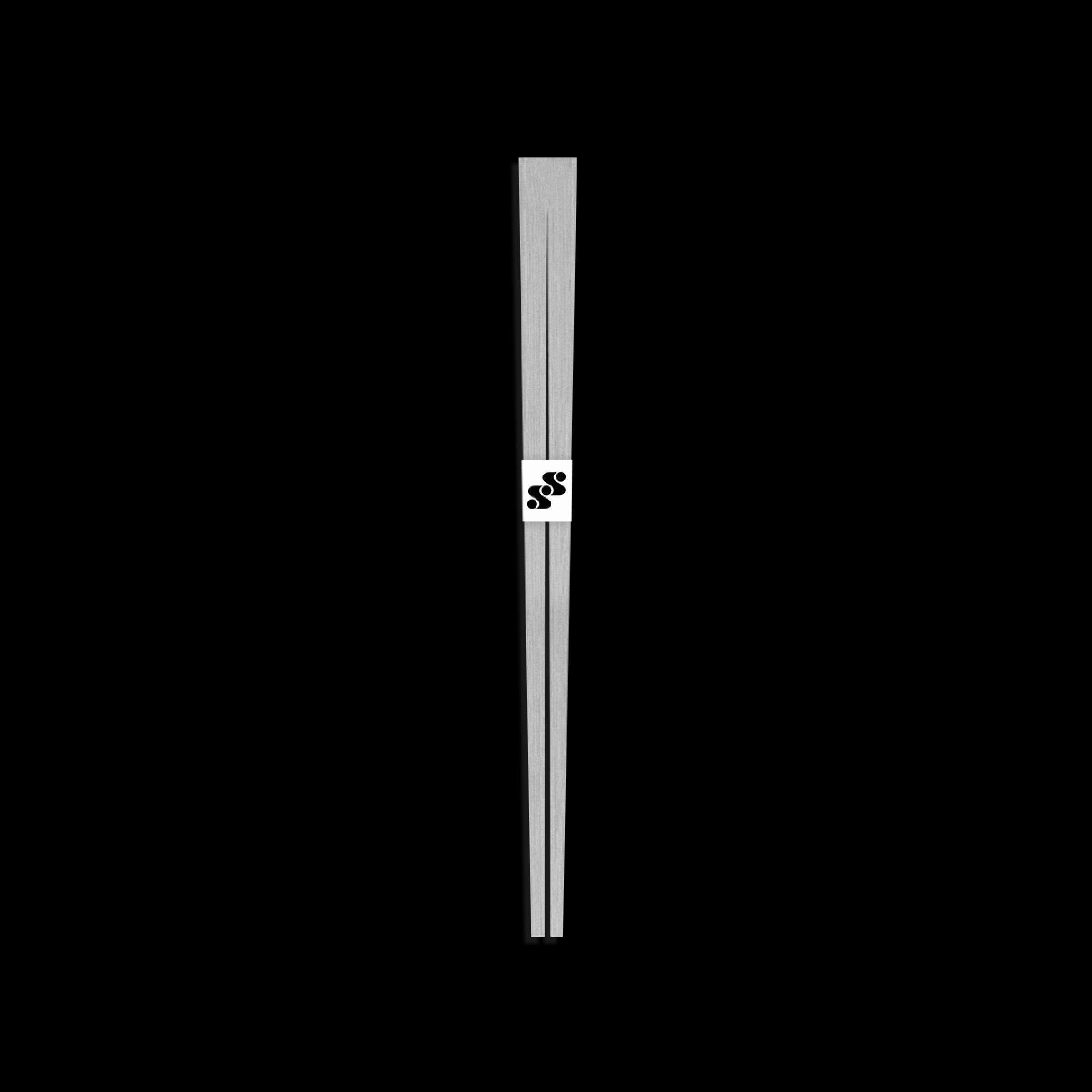
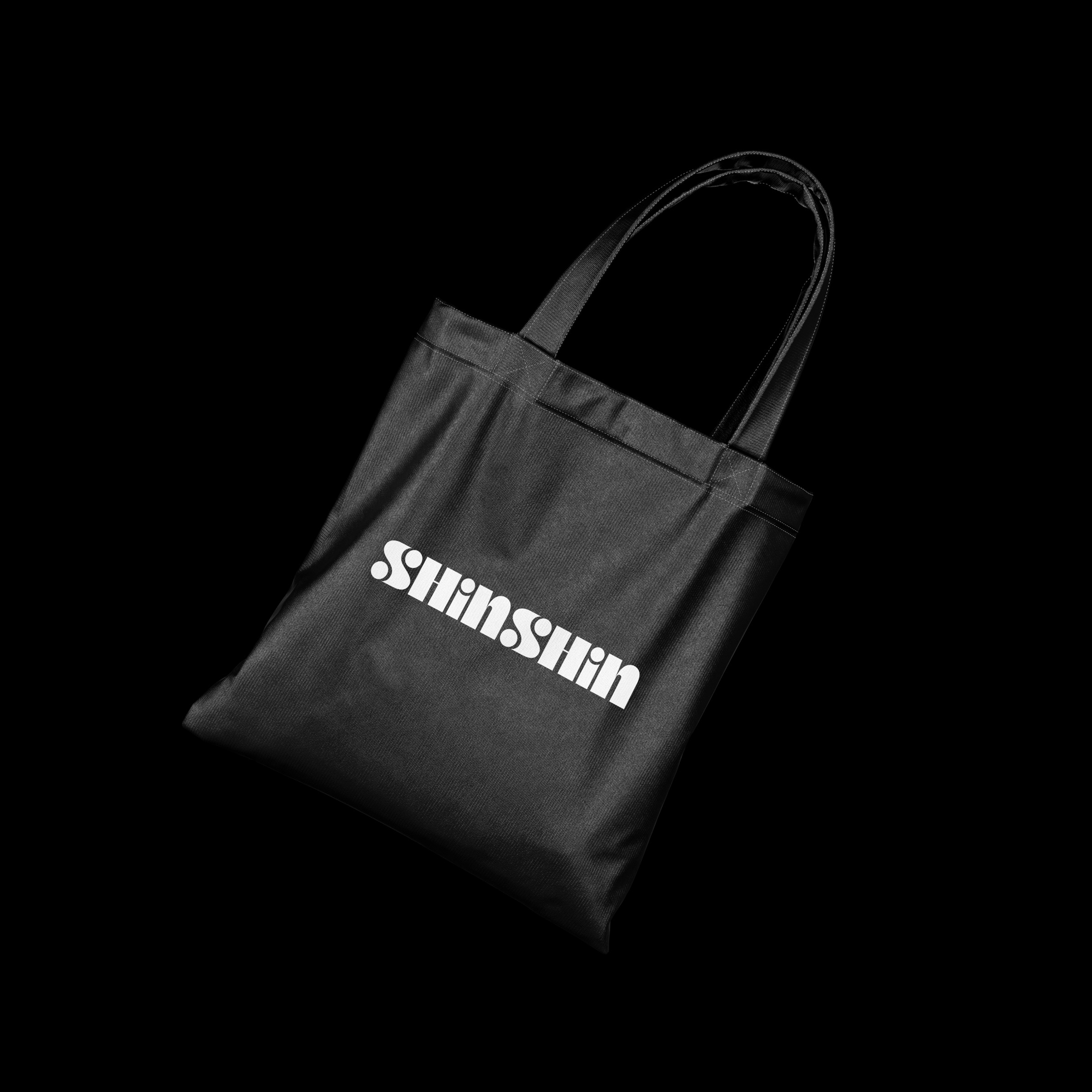
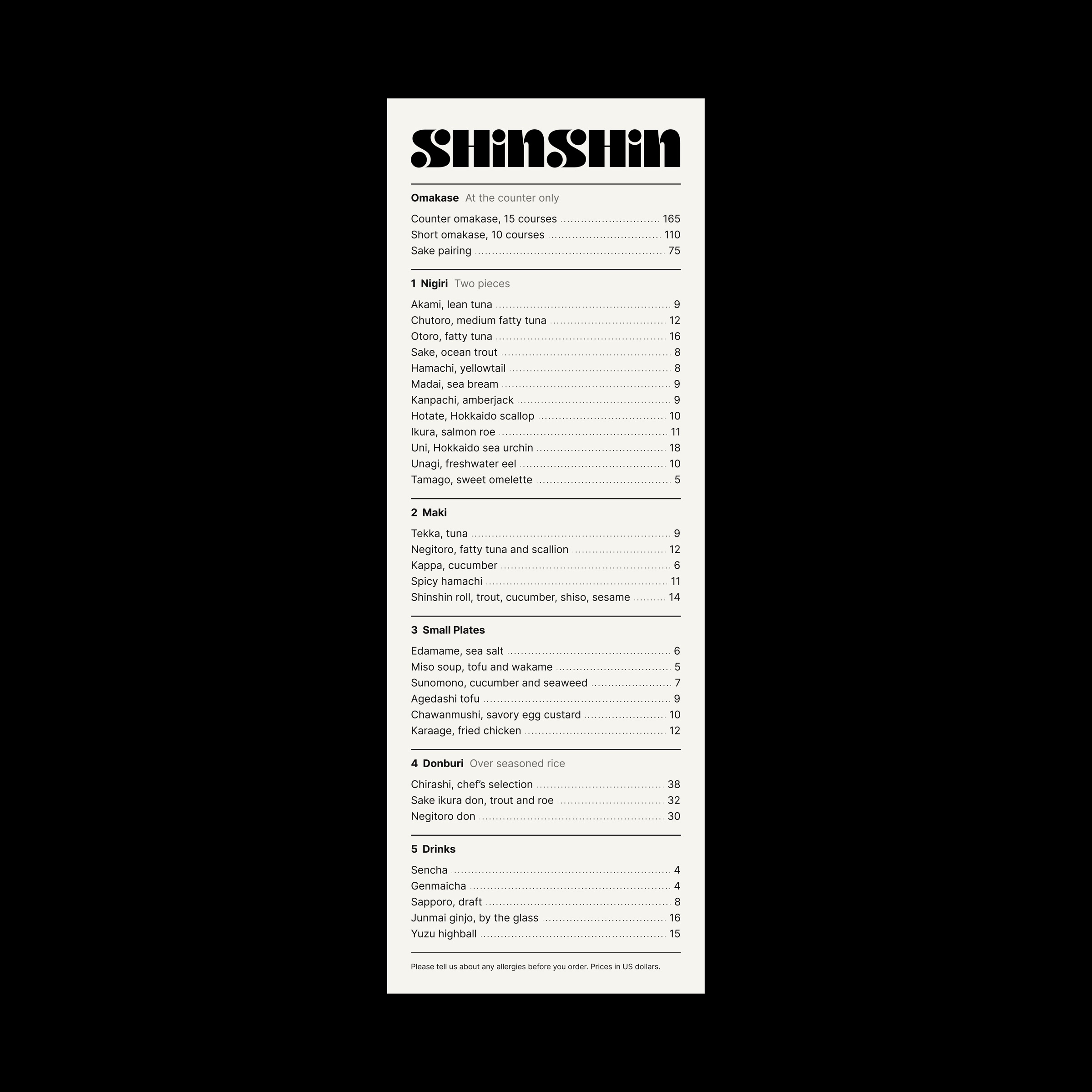
Wordmark, pattern, menu, chopstick bands, uniforms, and tote bag for a sushi restaurant in Jackson Hole, Wyoming.
09
Seasons
Identity for a fashion rental app
Branding
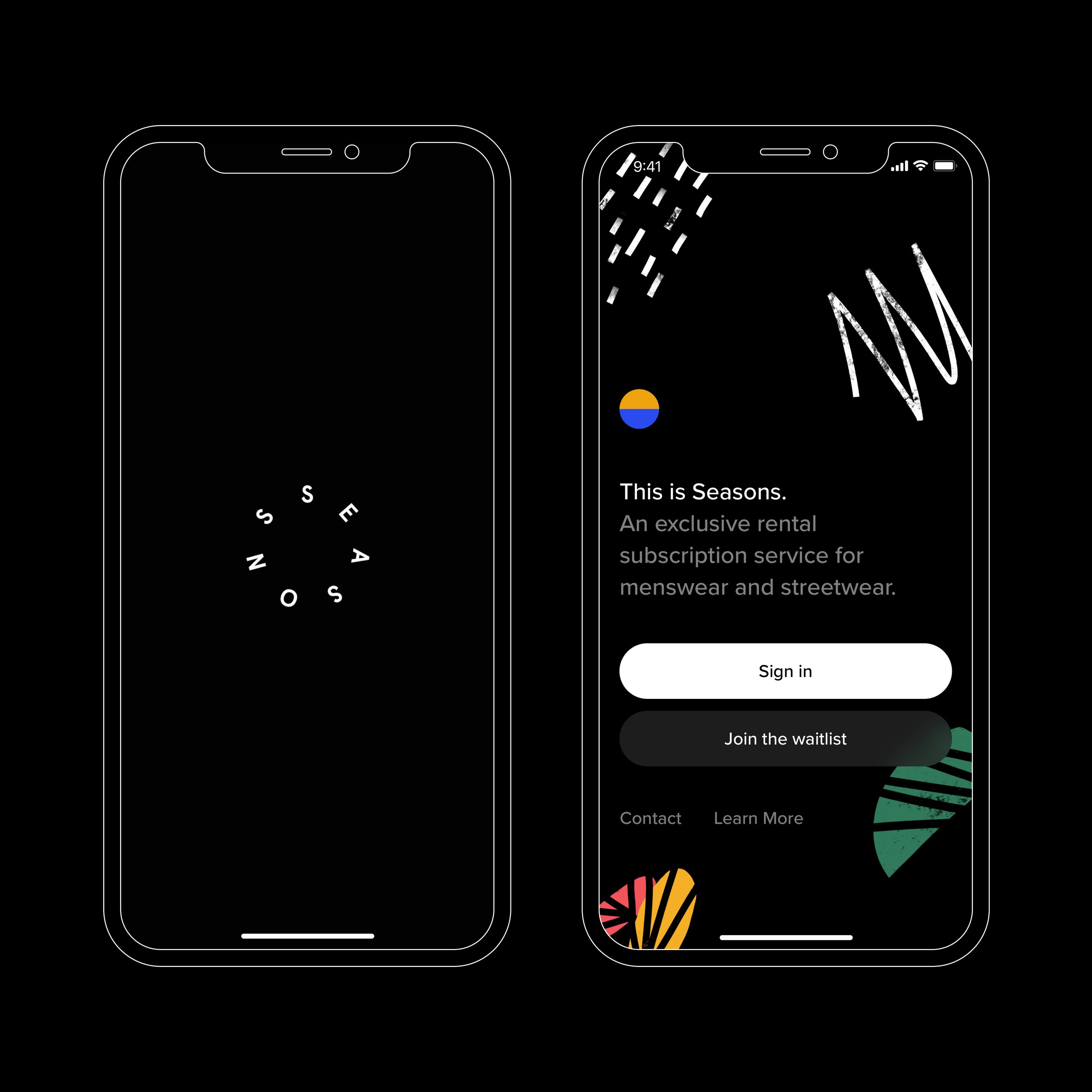
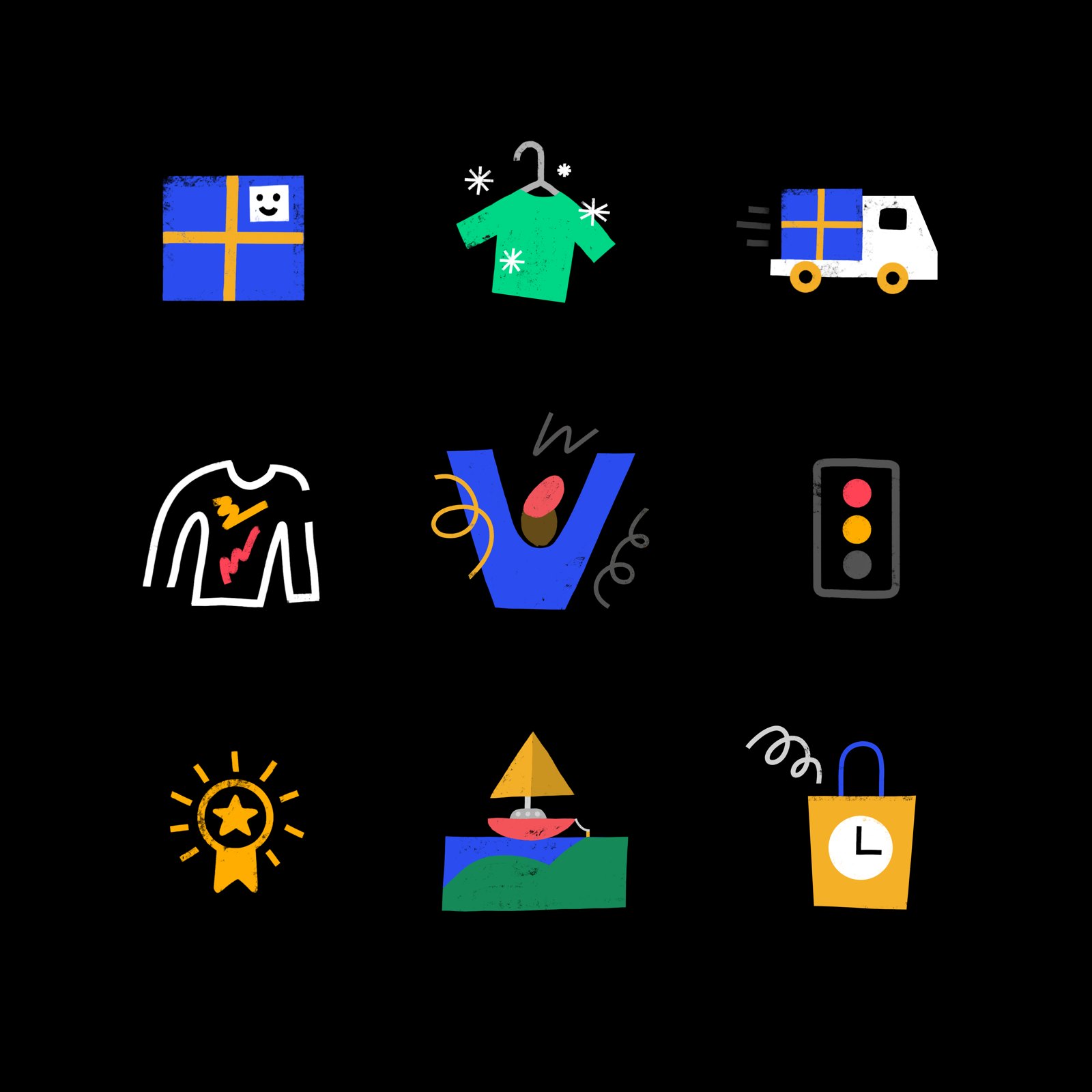
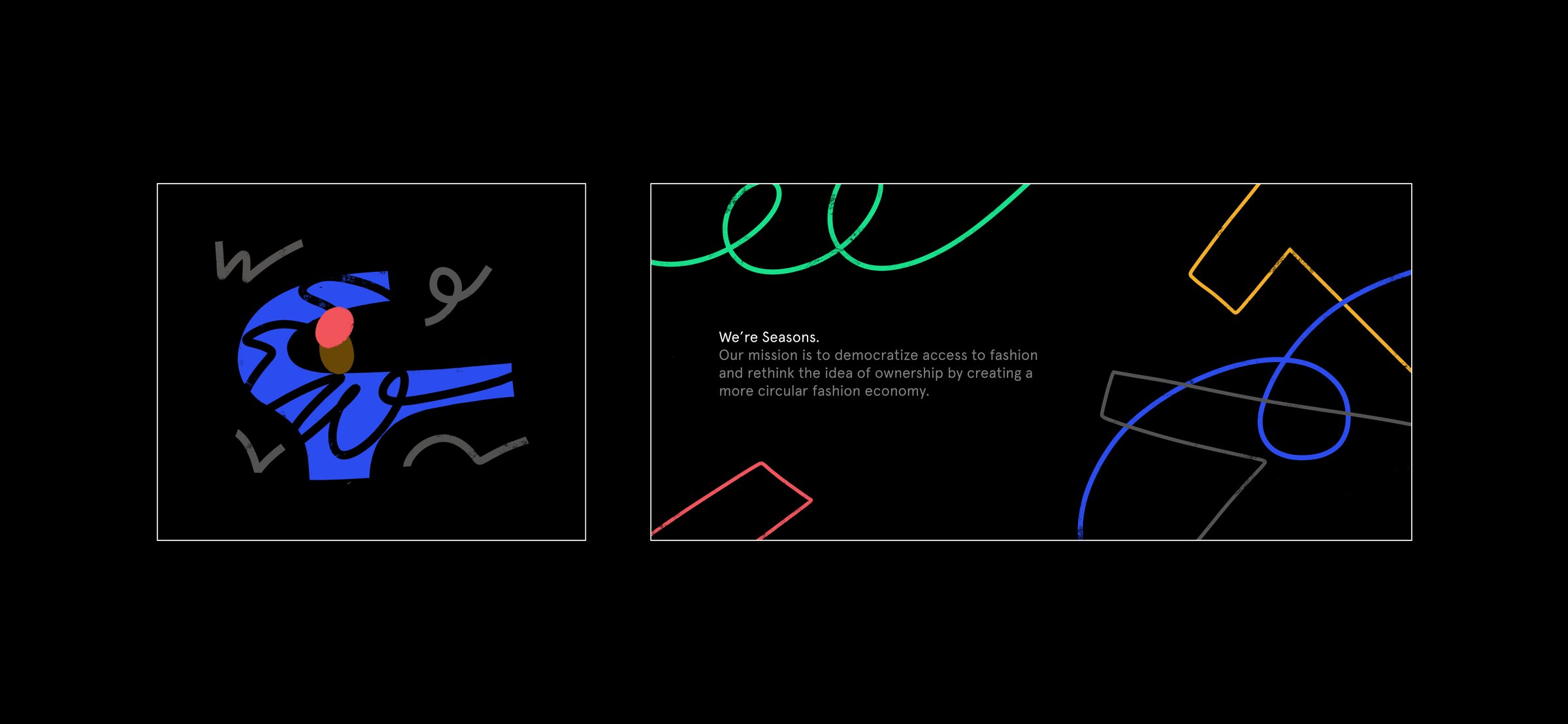
Identity, iconography, illustration, and motion.
10
People’s Policy Project
Layout and data visualization
Publication
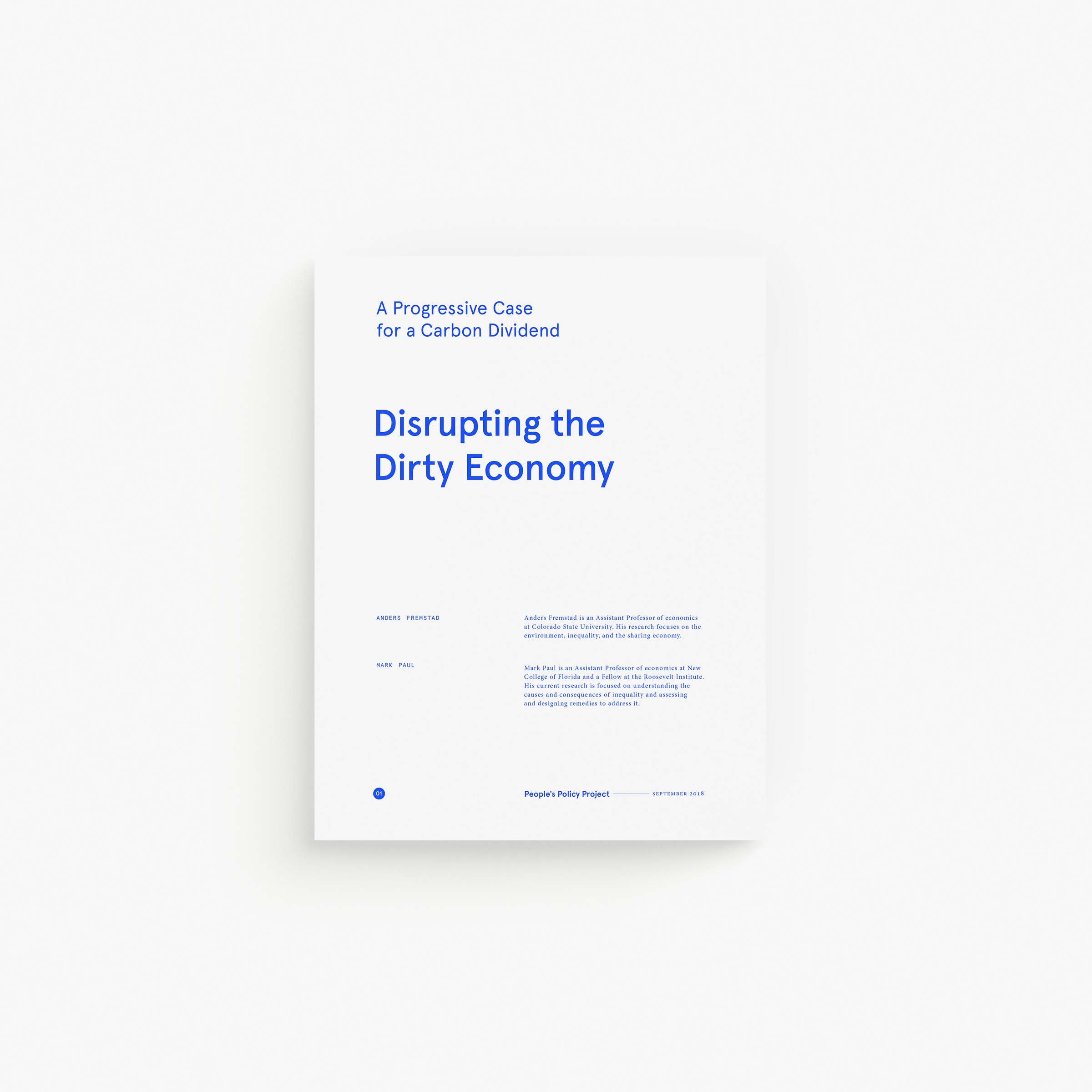
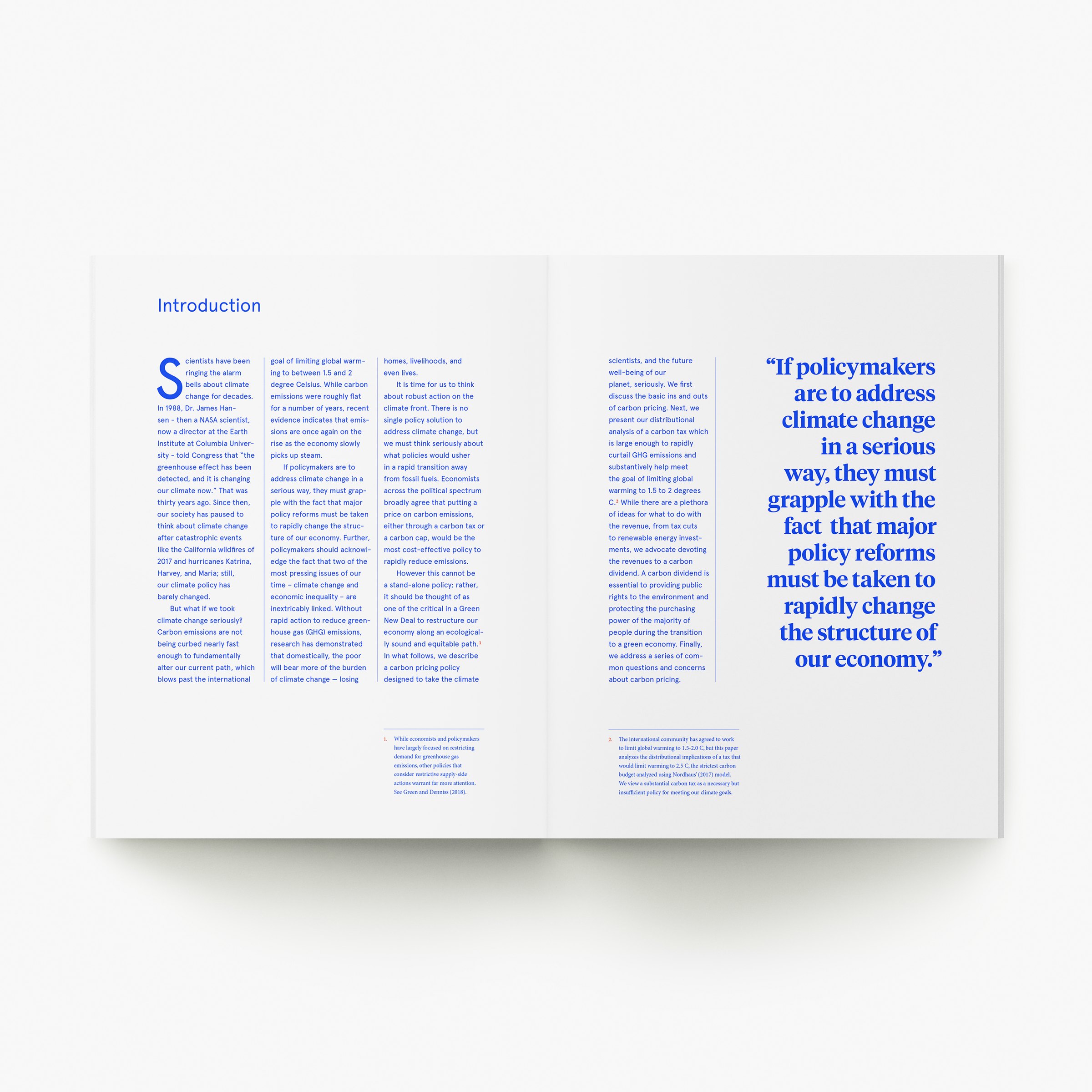
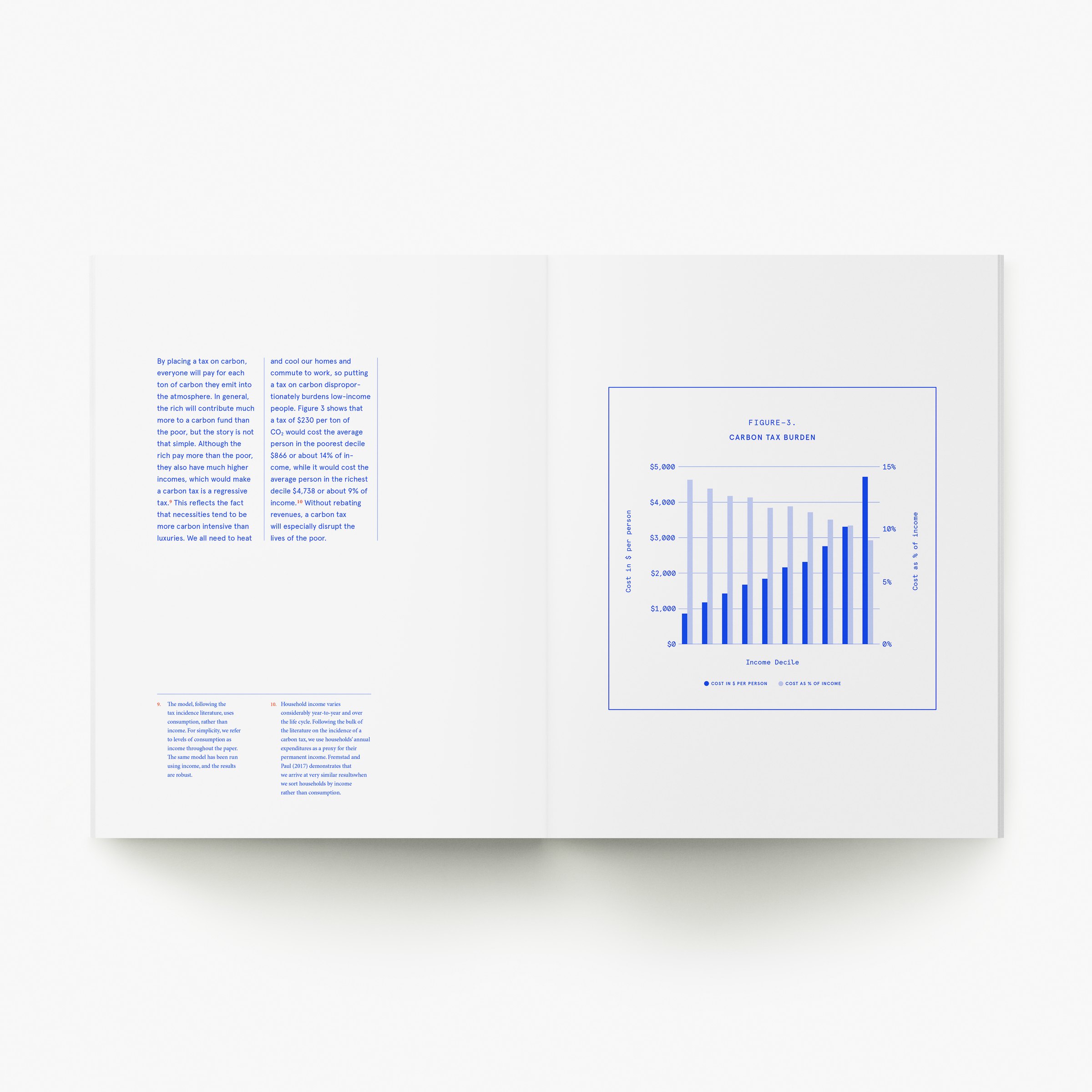
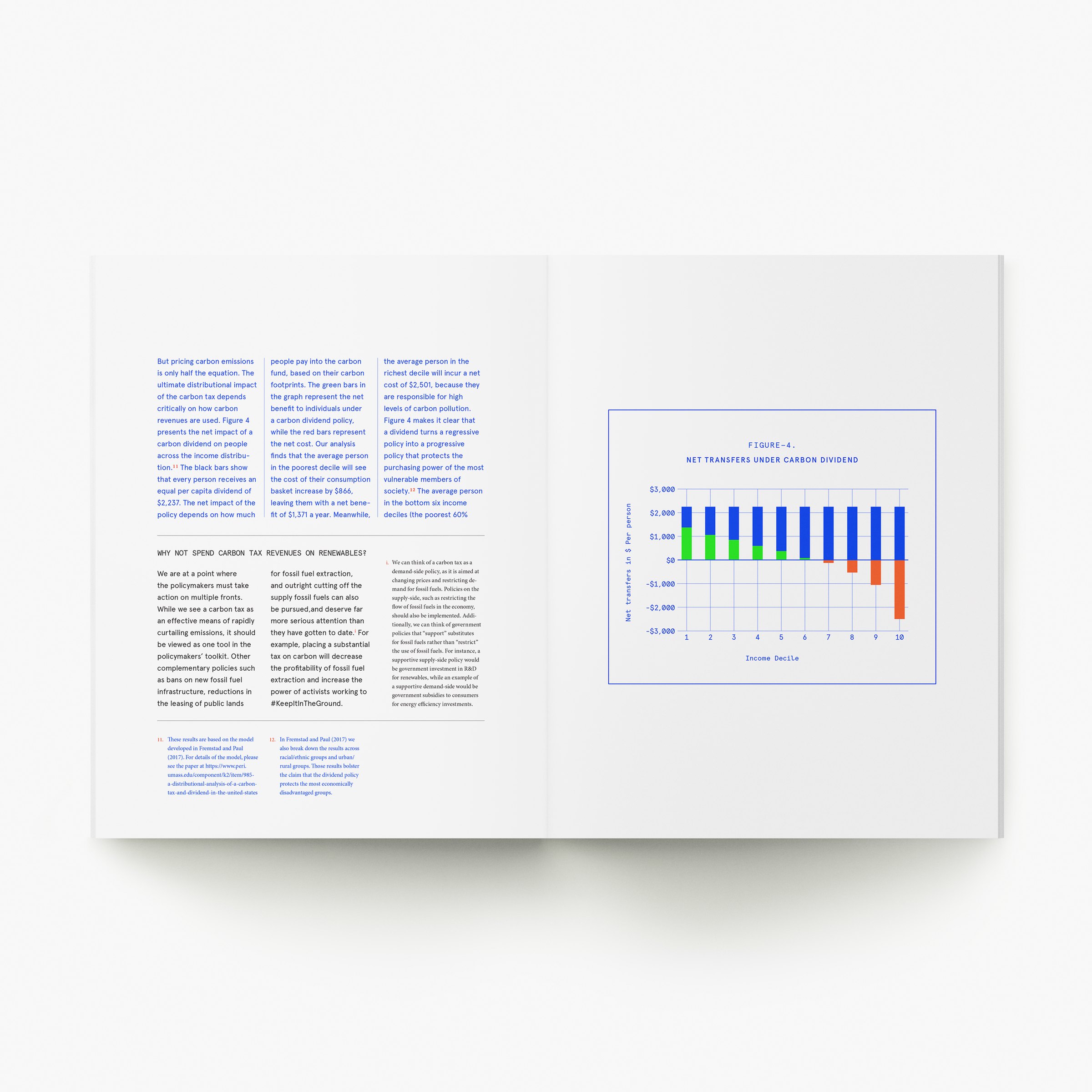
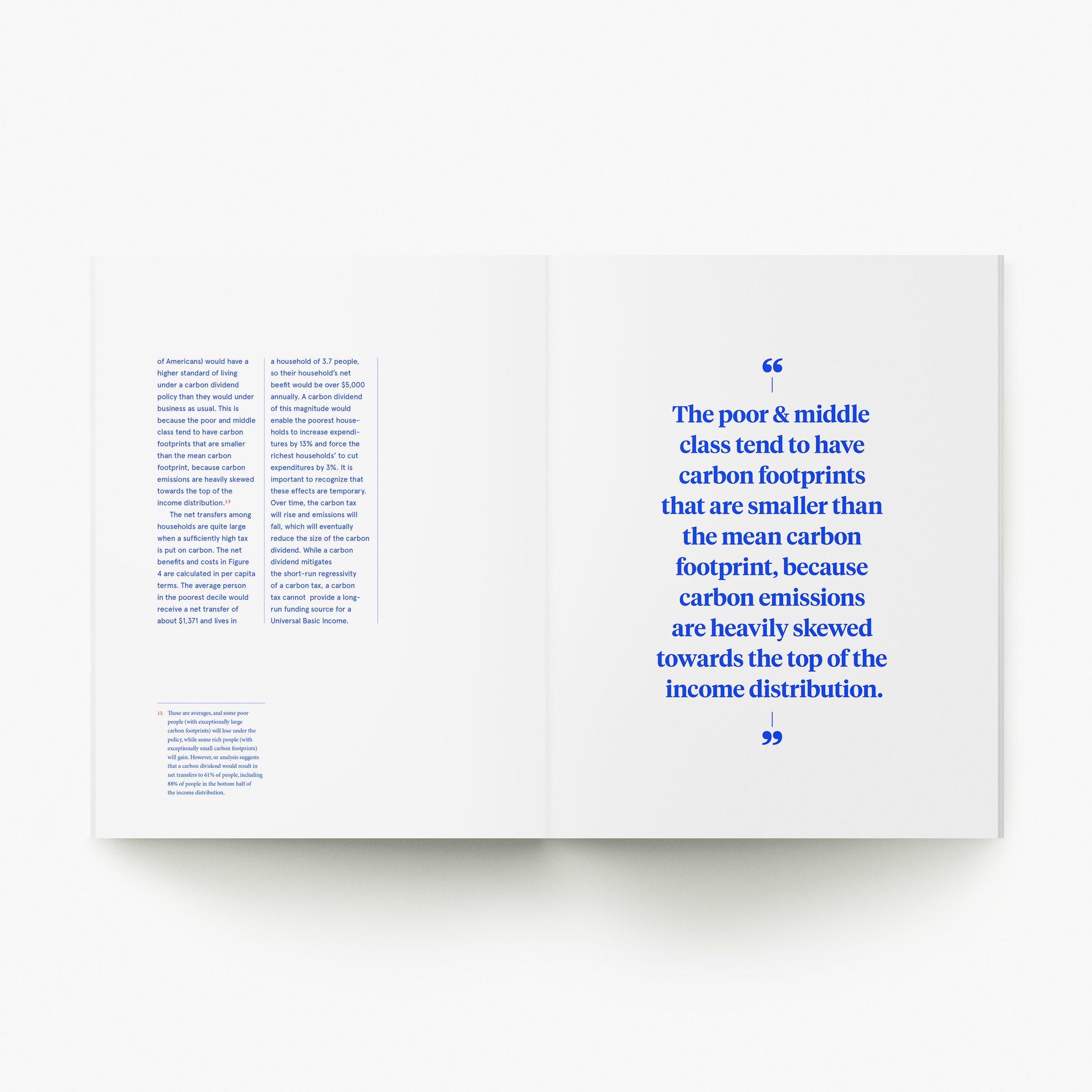
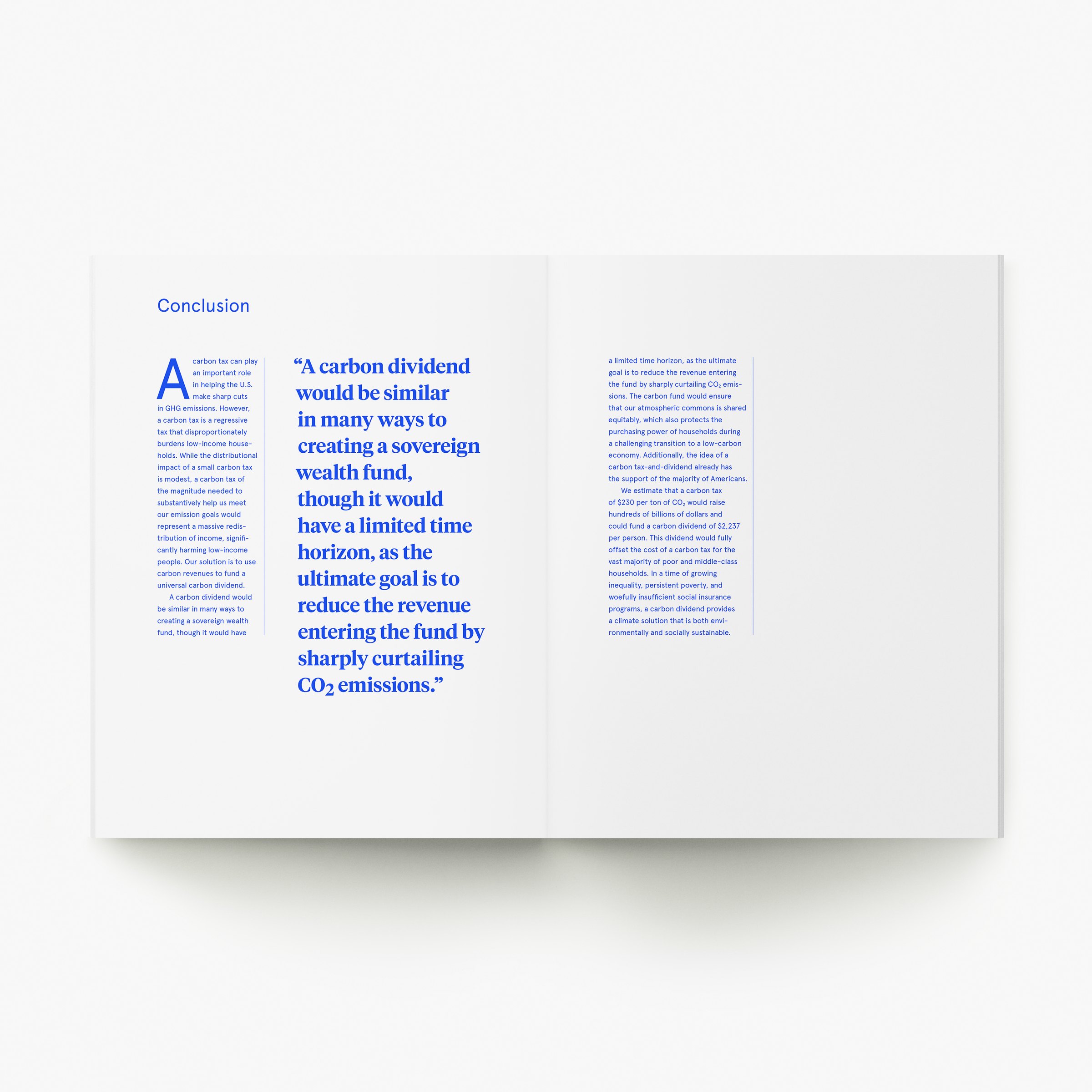
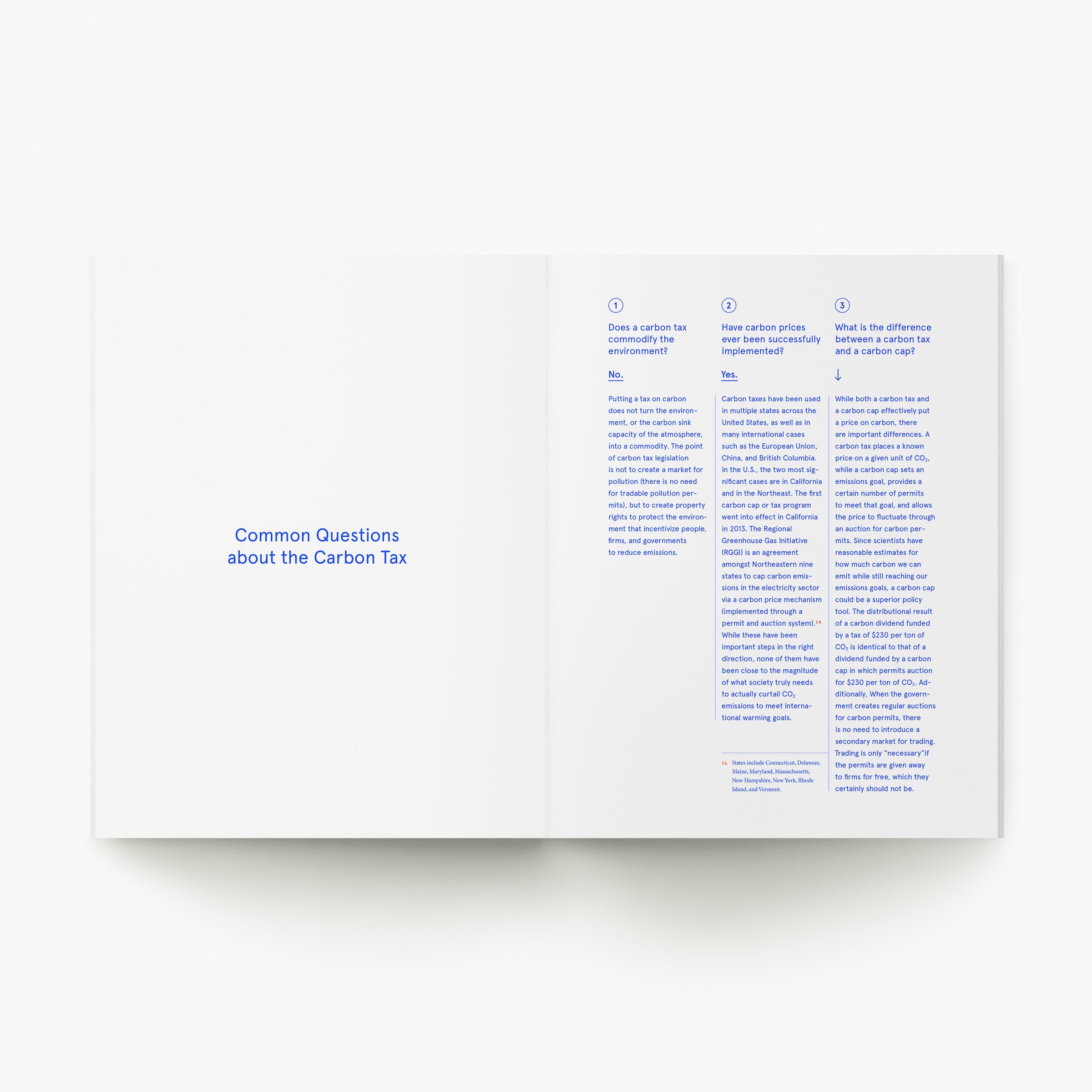
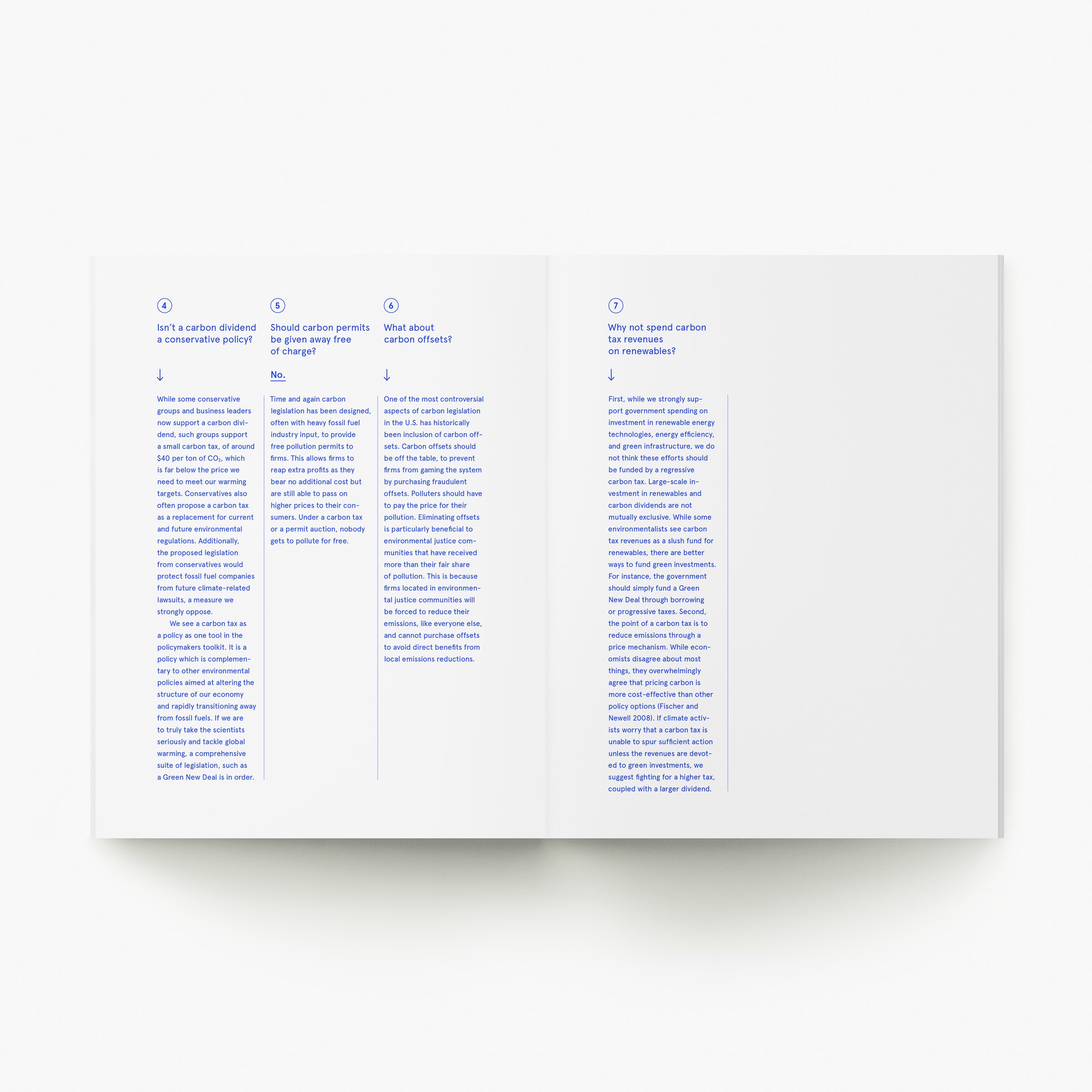
Layout, typography, and charts for the report “Disrupting the Dirty Economy,” published by a research organization funded by small donors.
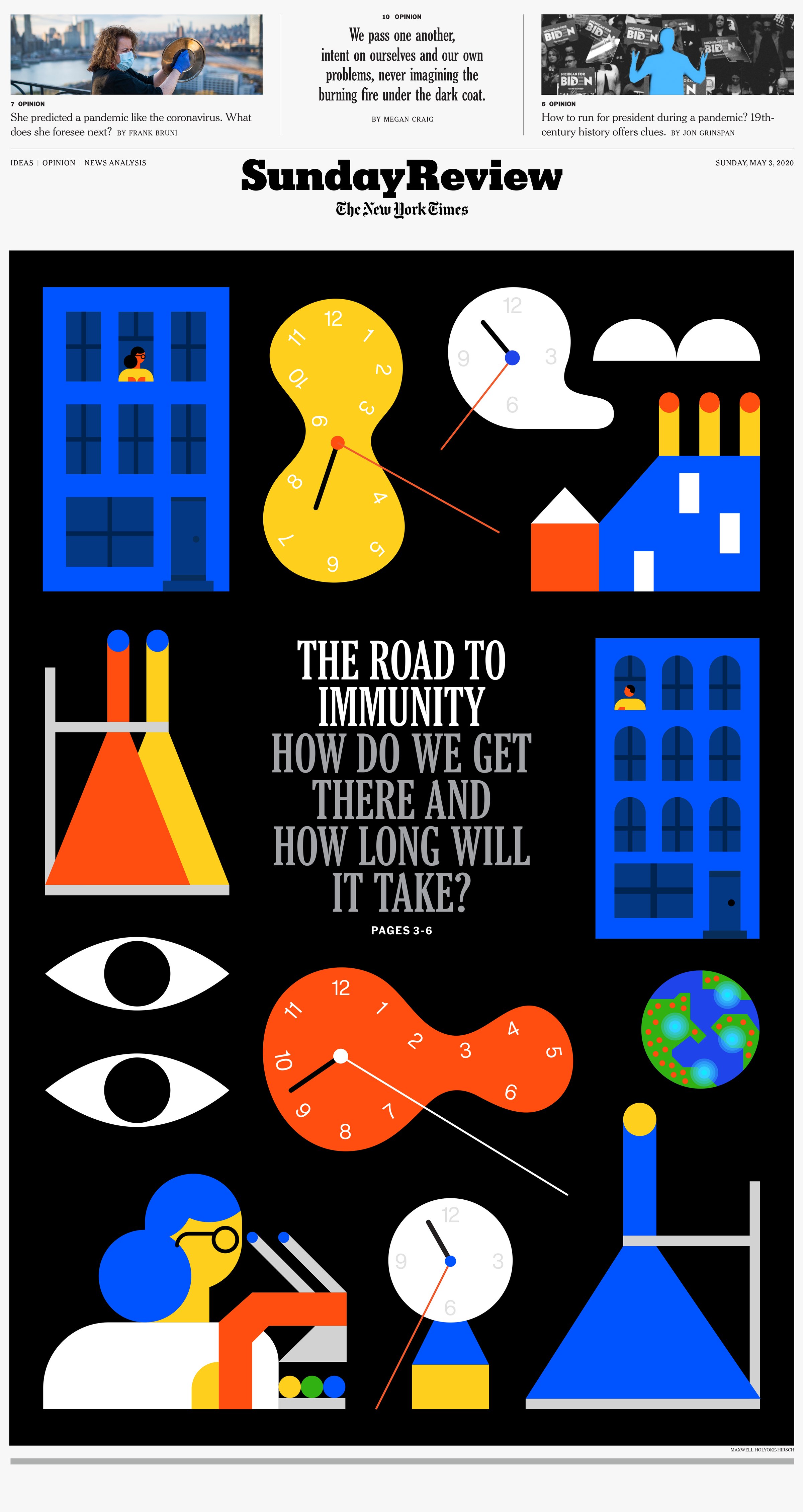
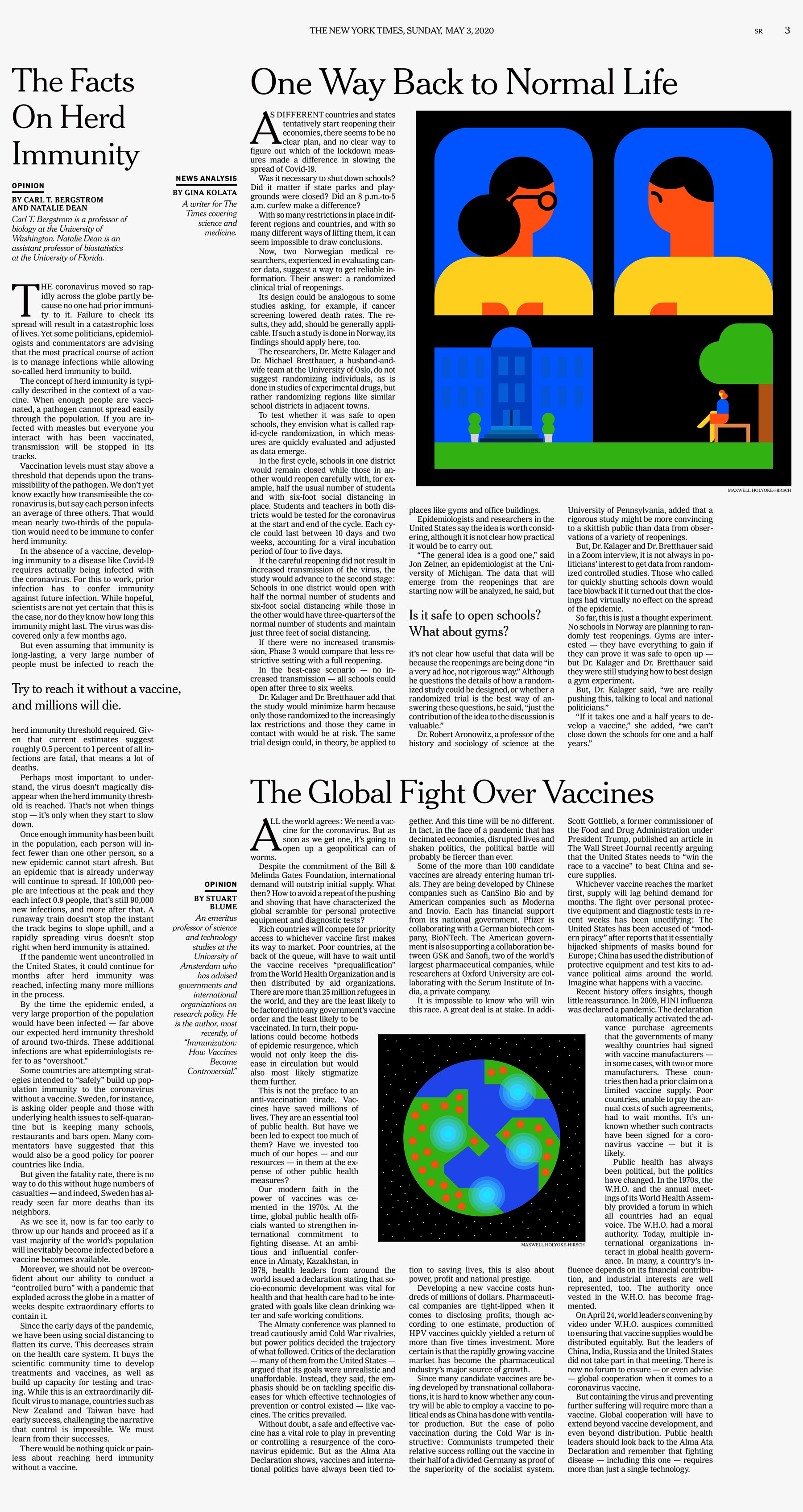
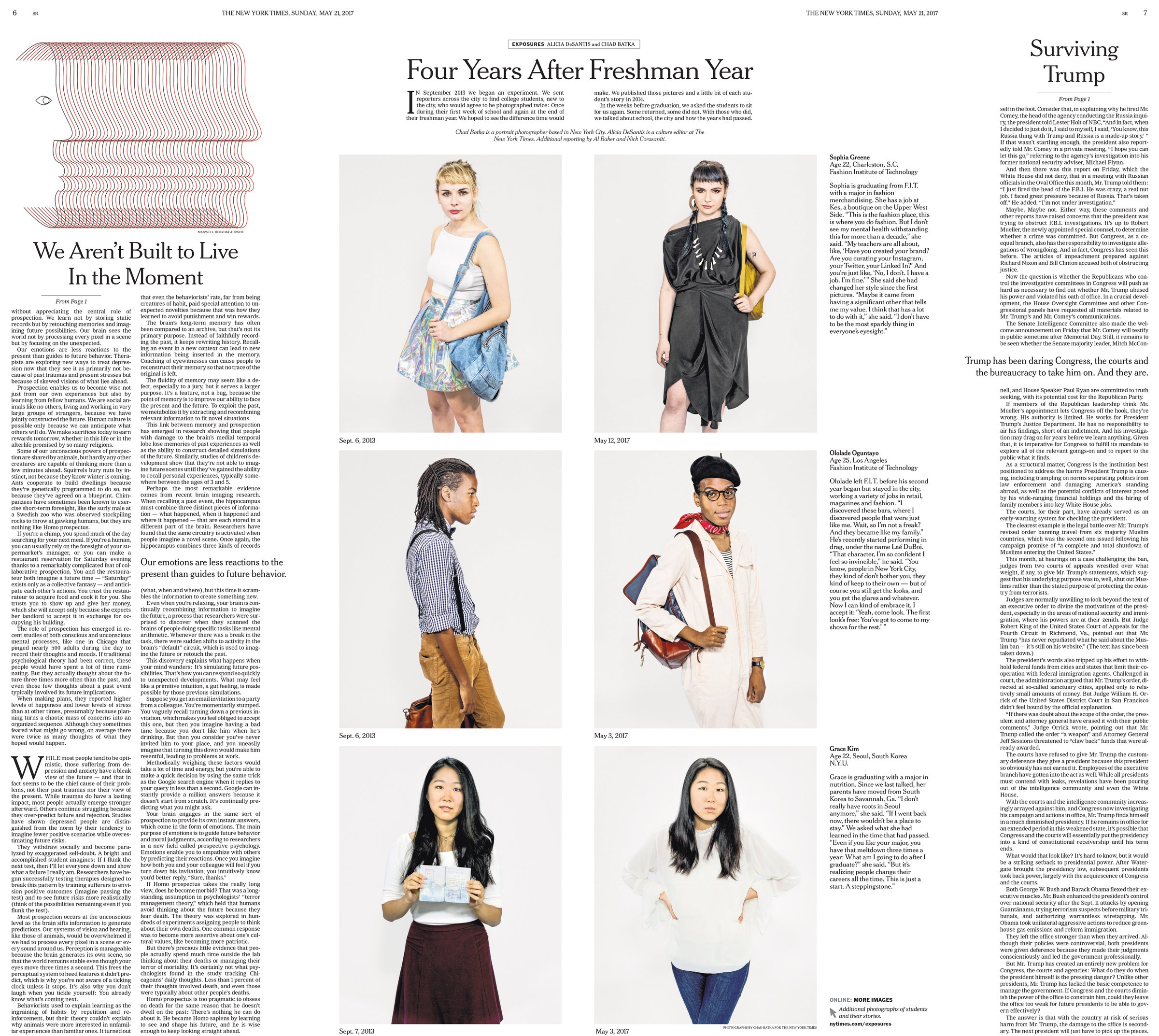
Sunday Review, May 21, 2017. Art direction by Alexandra Zsigmond. Read the article
15
The Building of Egypt’s Pyramids
The World of Interiors
2017
The building of Egypt’s pyramids. Art direction by Mark Lazenby.
16
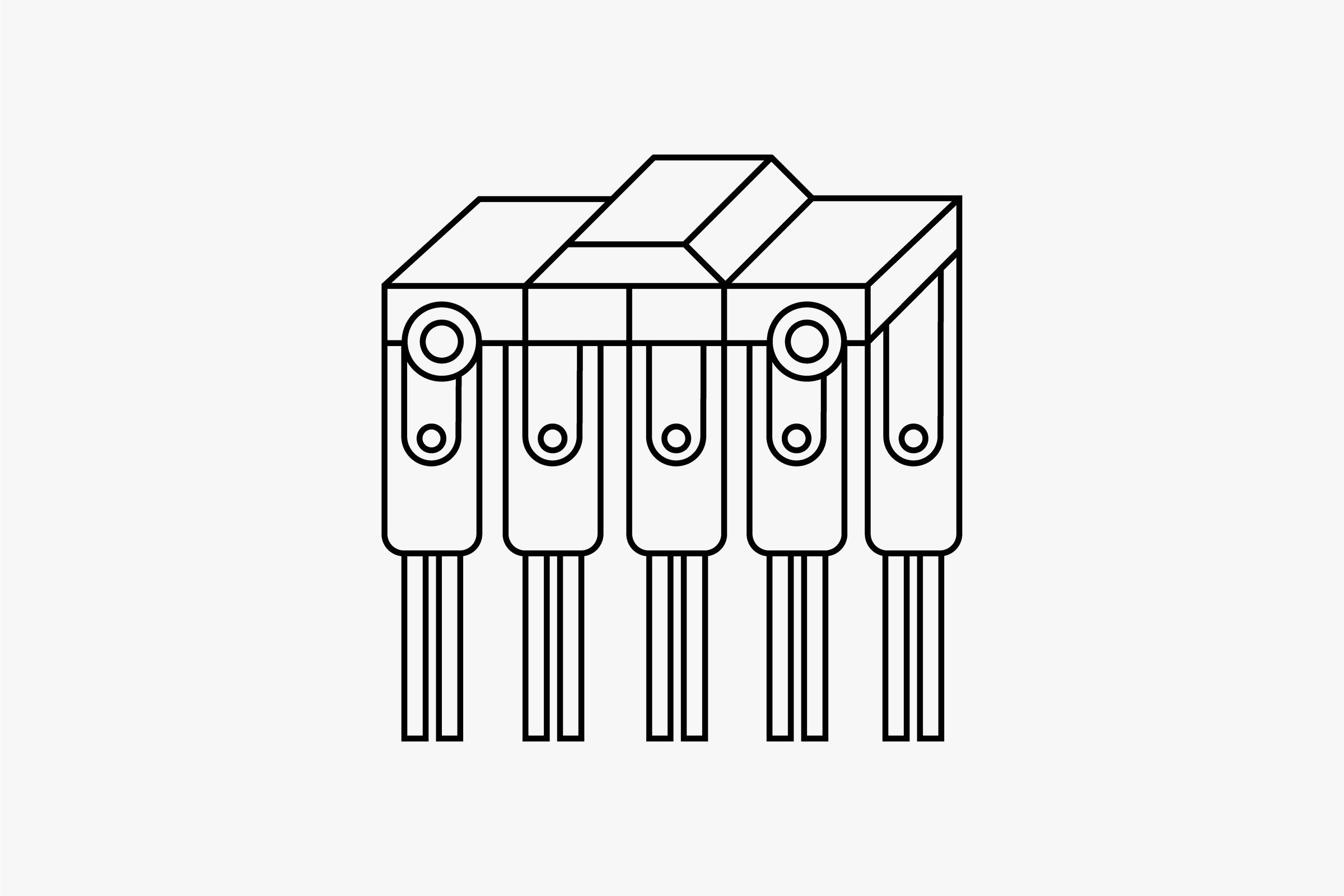
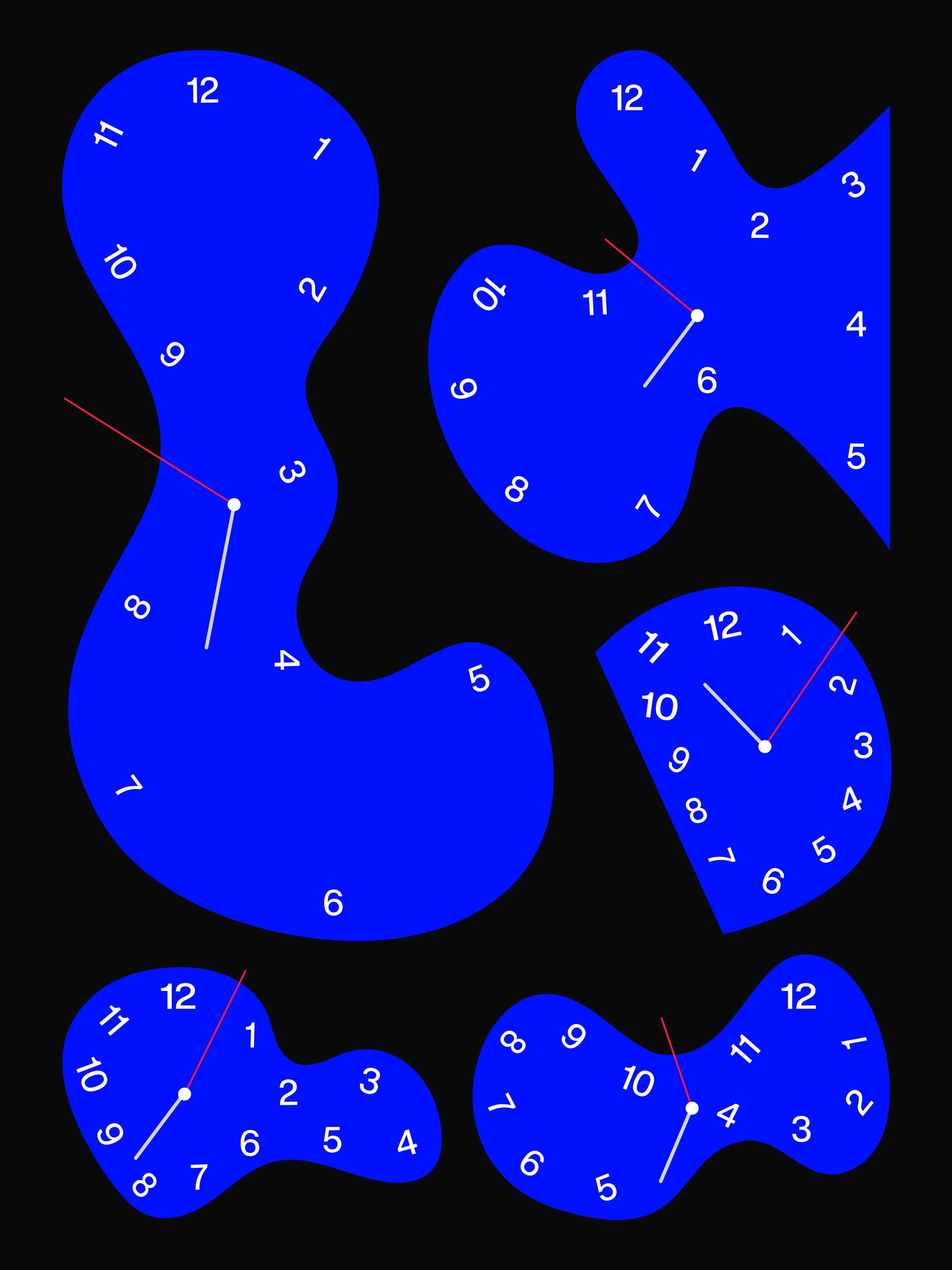
10x17
10x17
2017
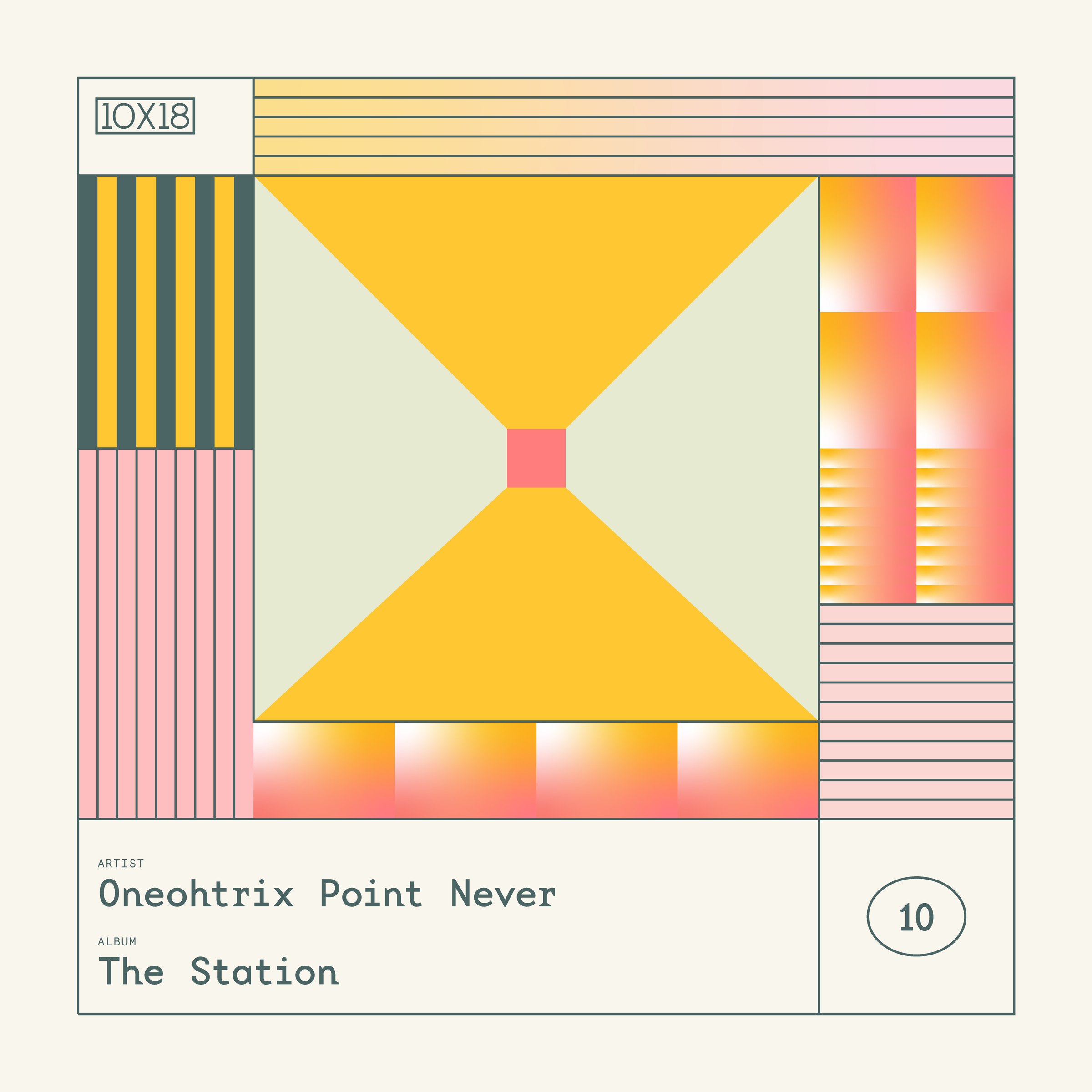
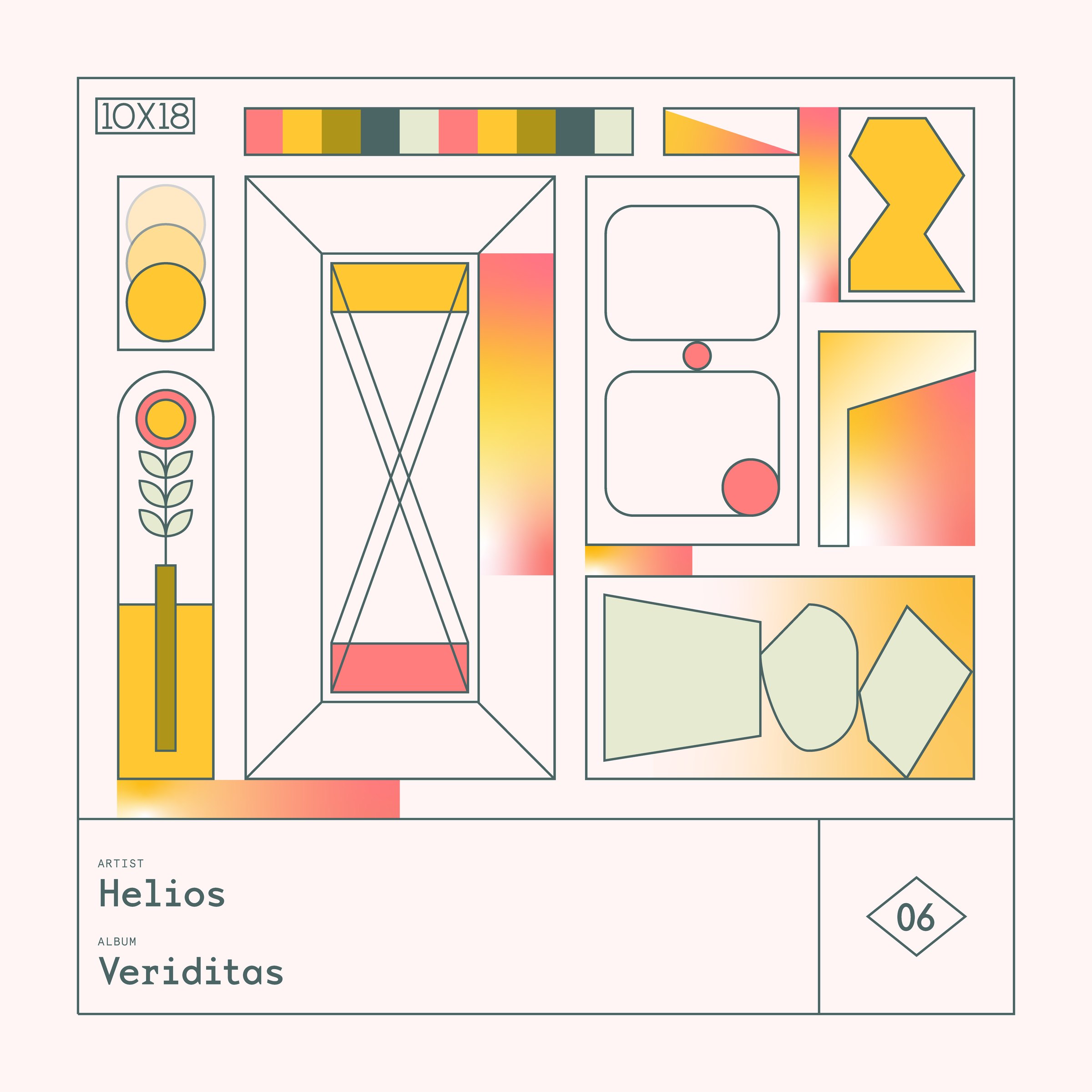
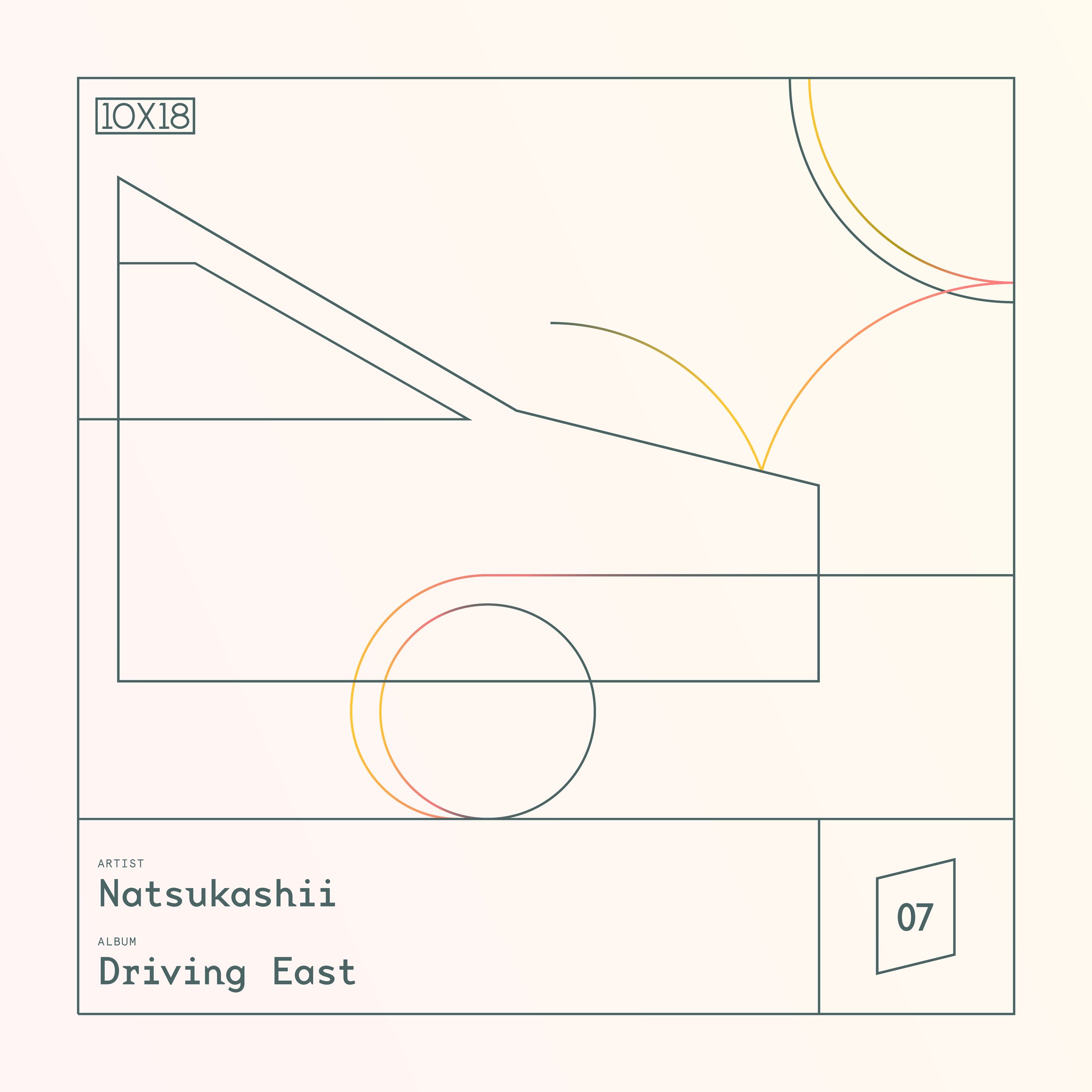
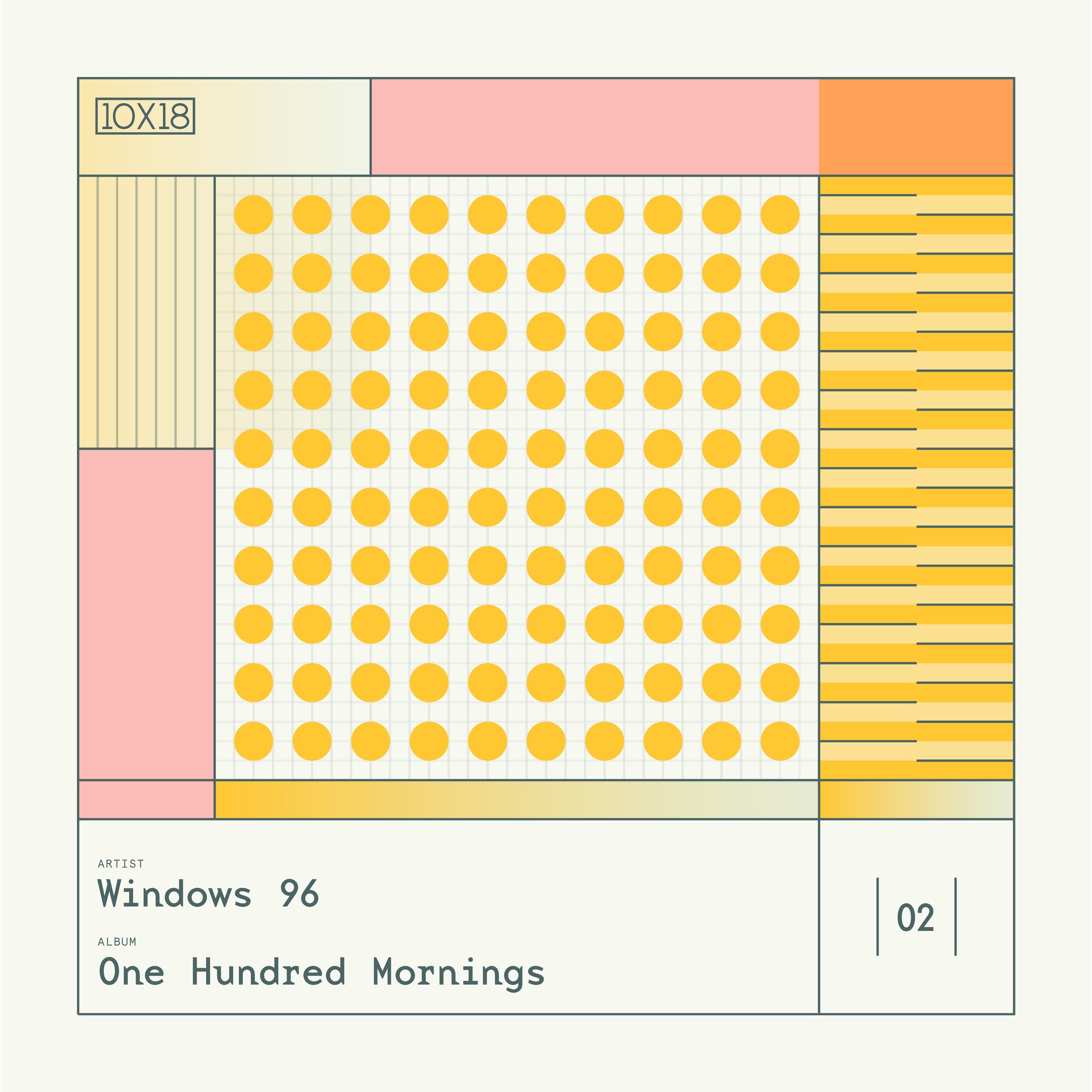
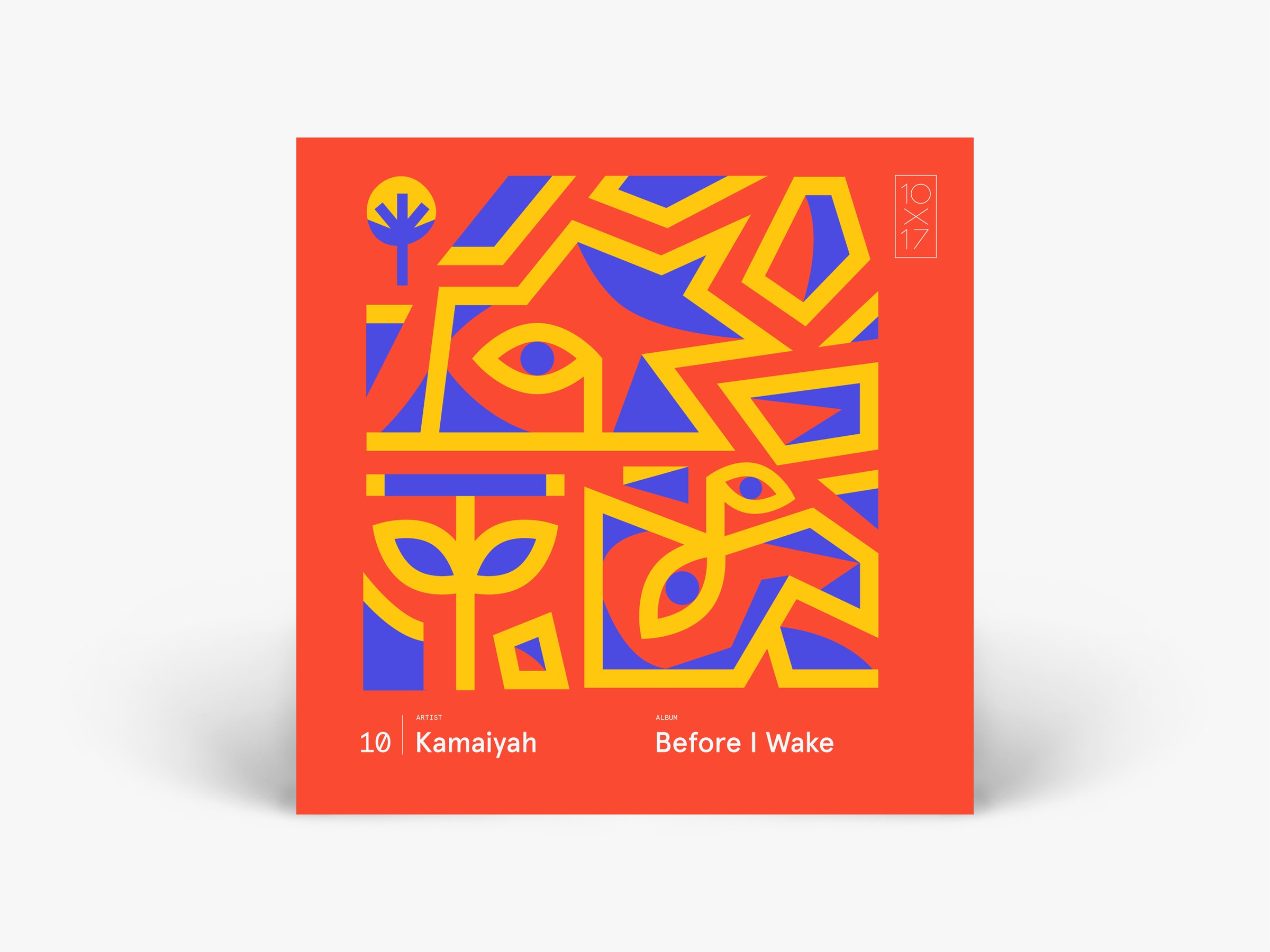
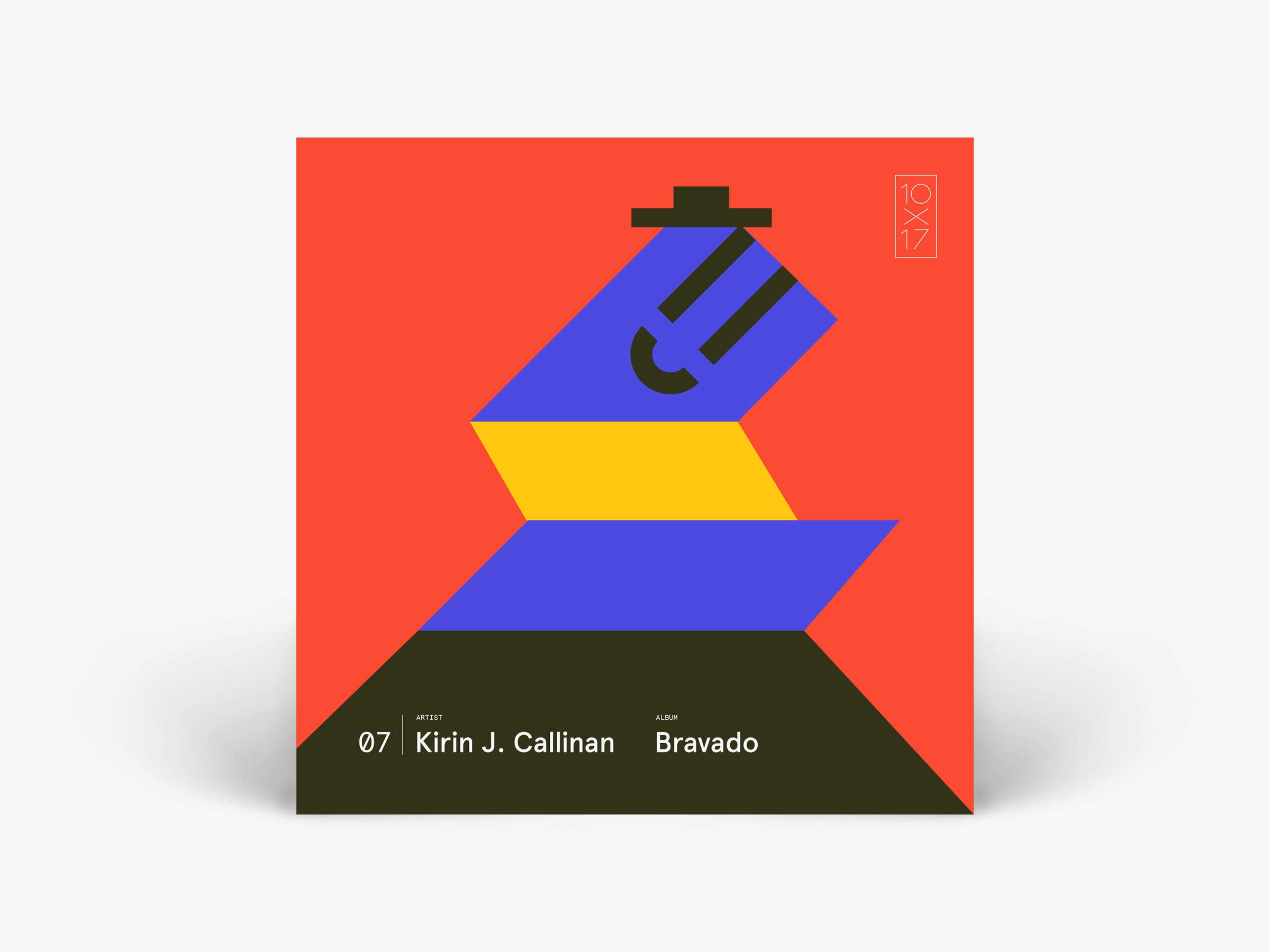
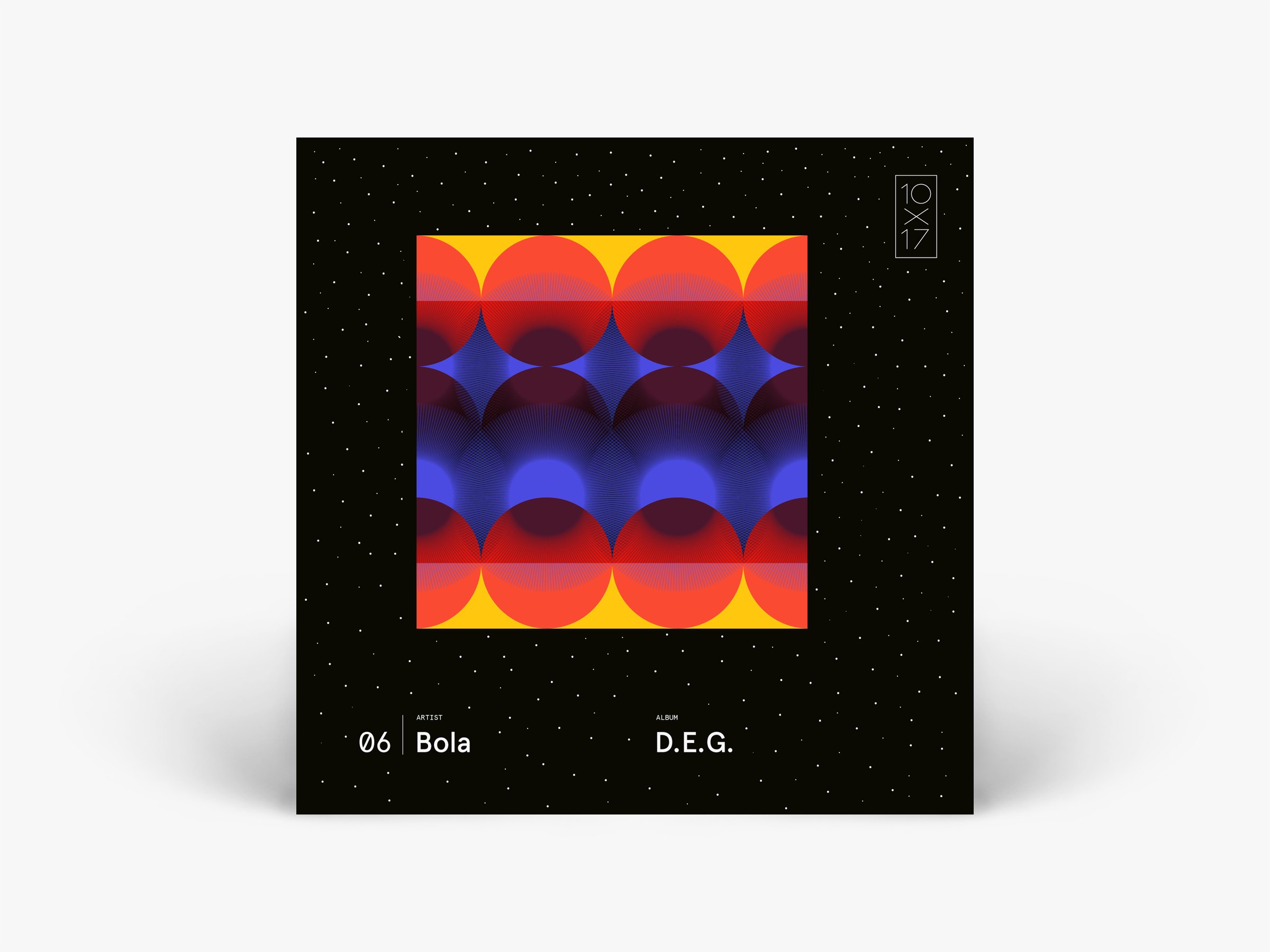
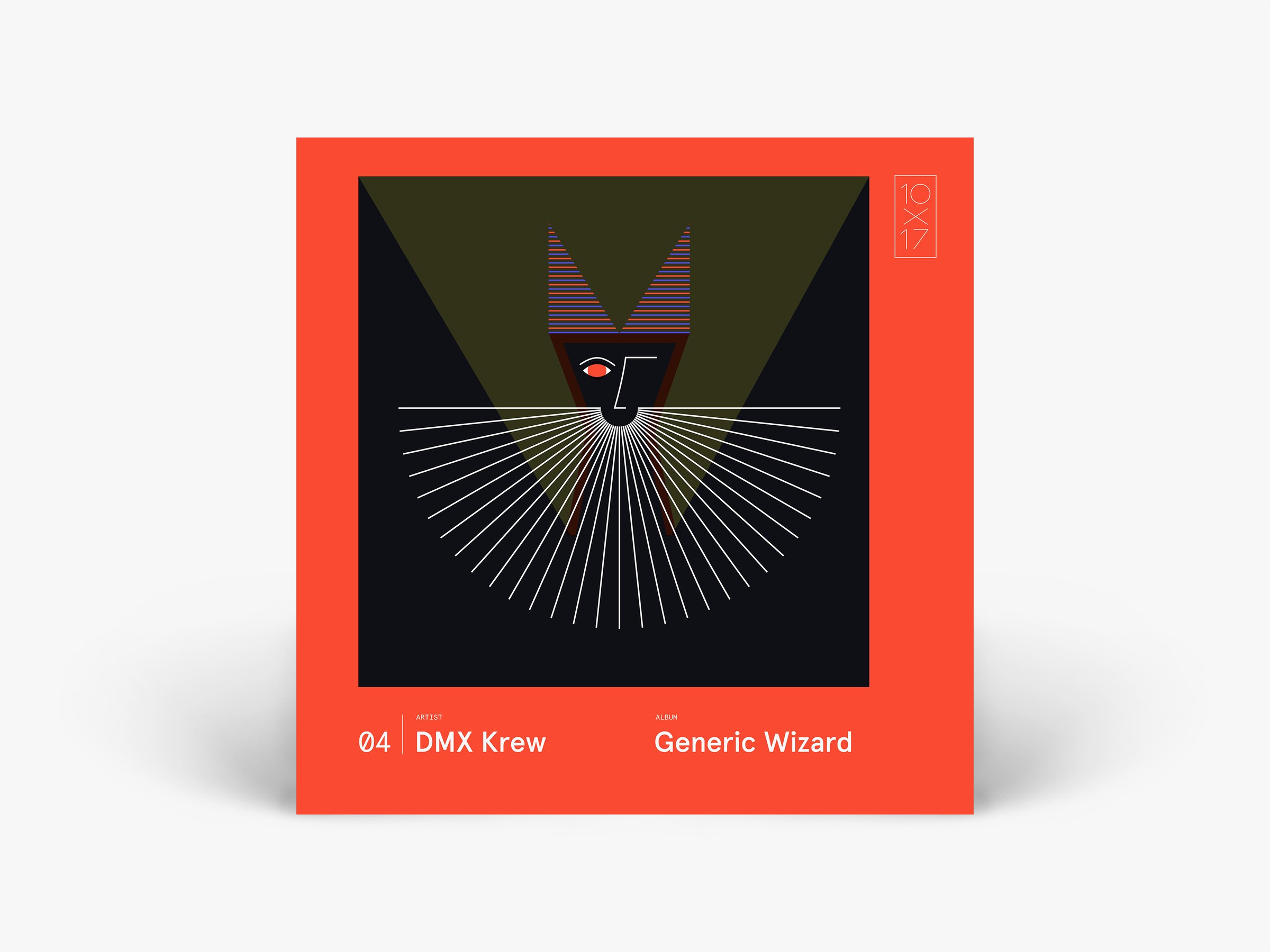
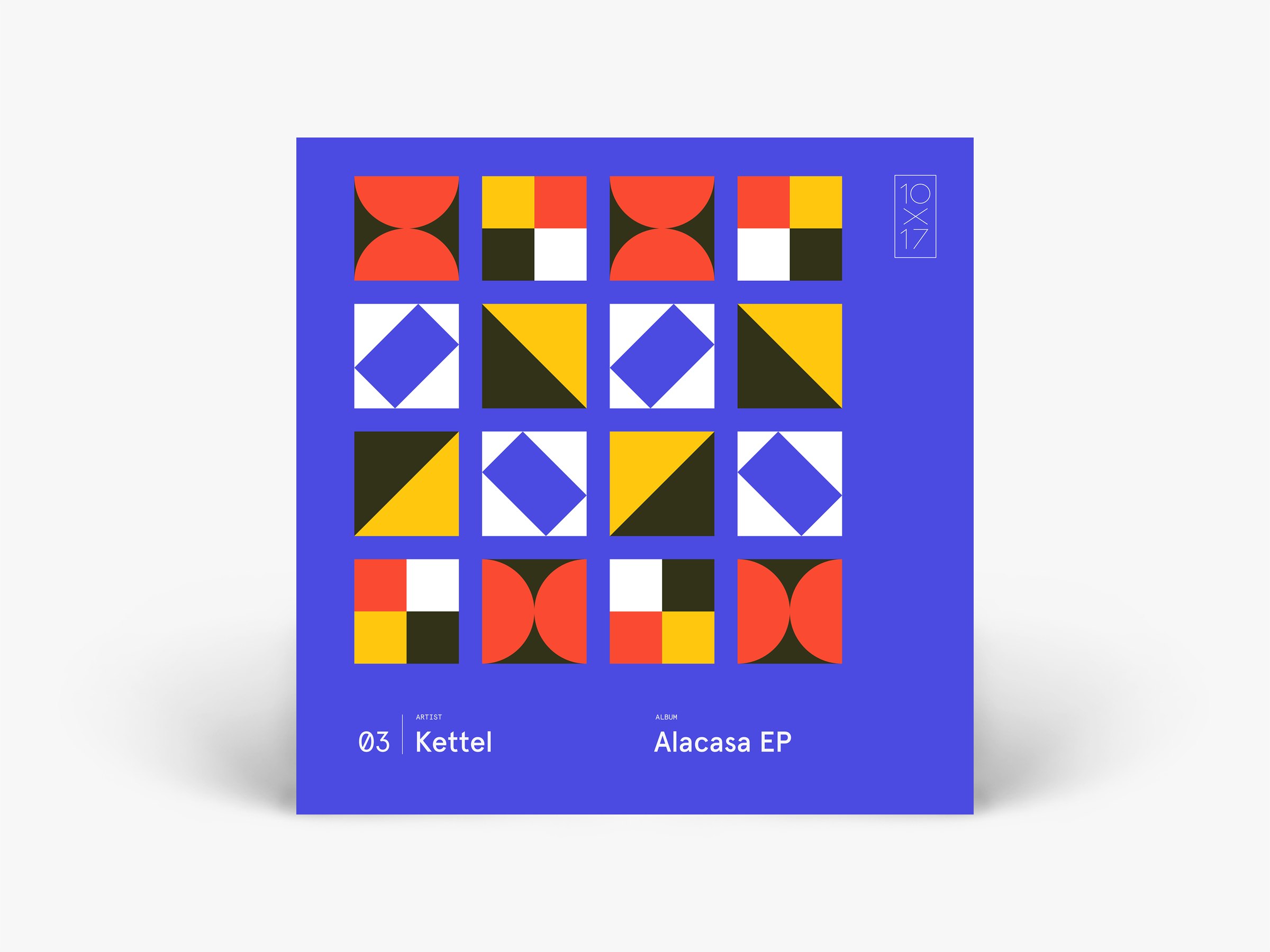
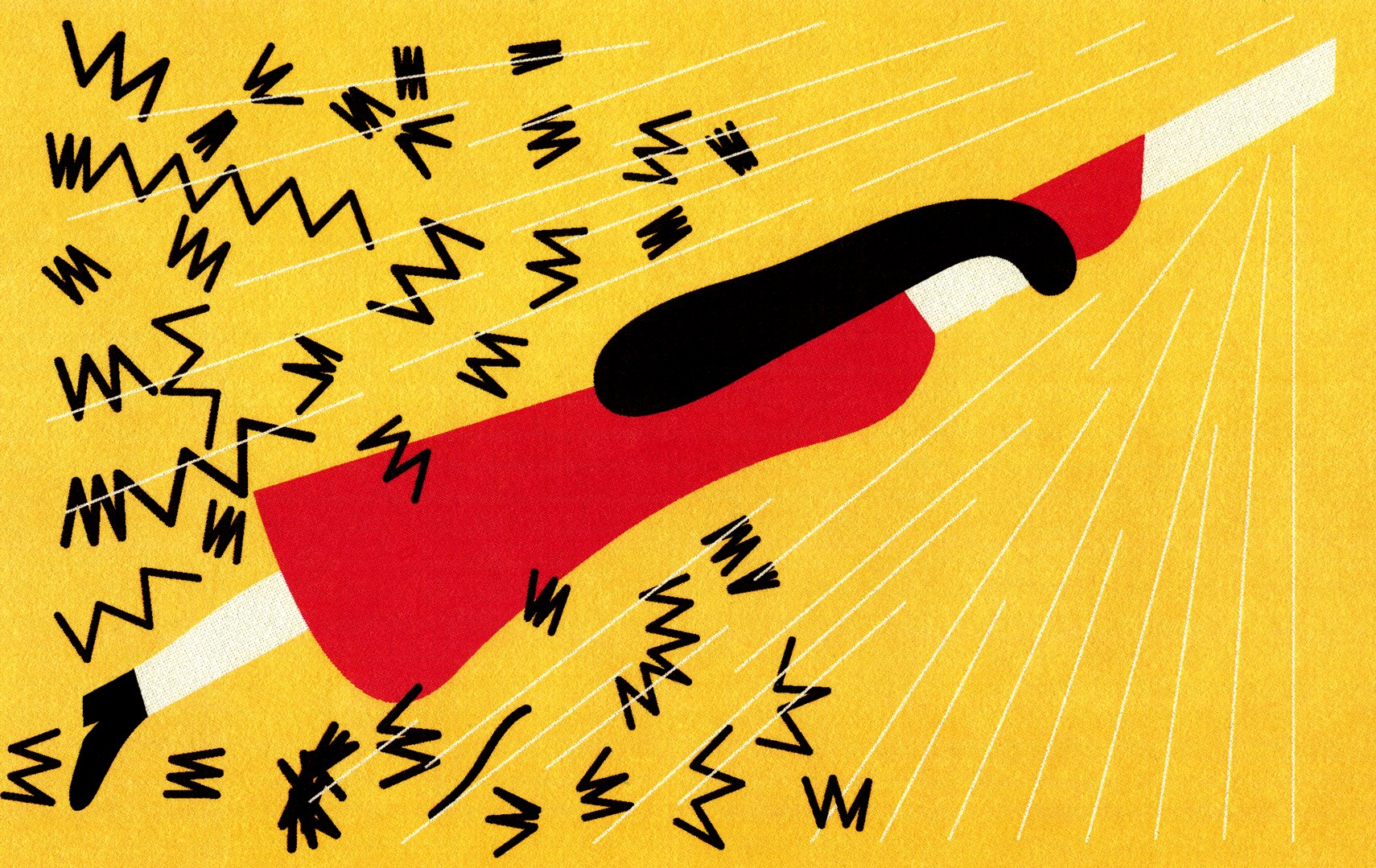
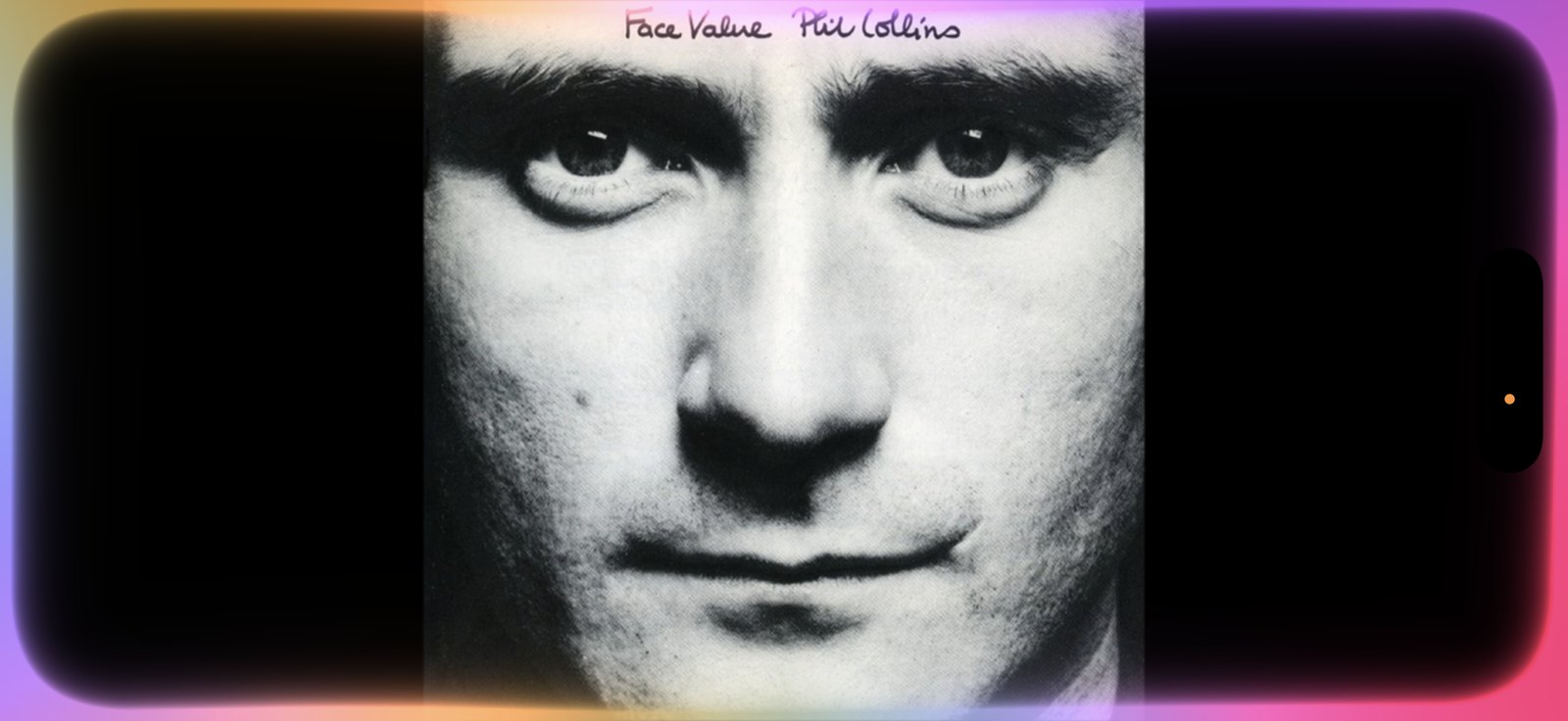
Interpretations of six favorite albums of 2017 for 10x, an annual project where artists reimagine album art.
17
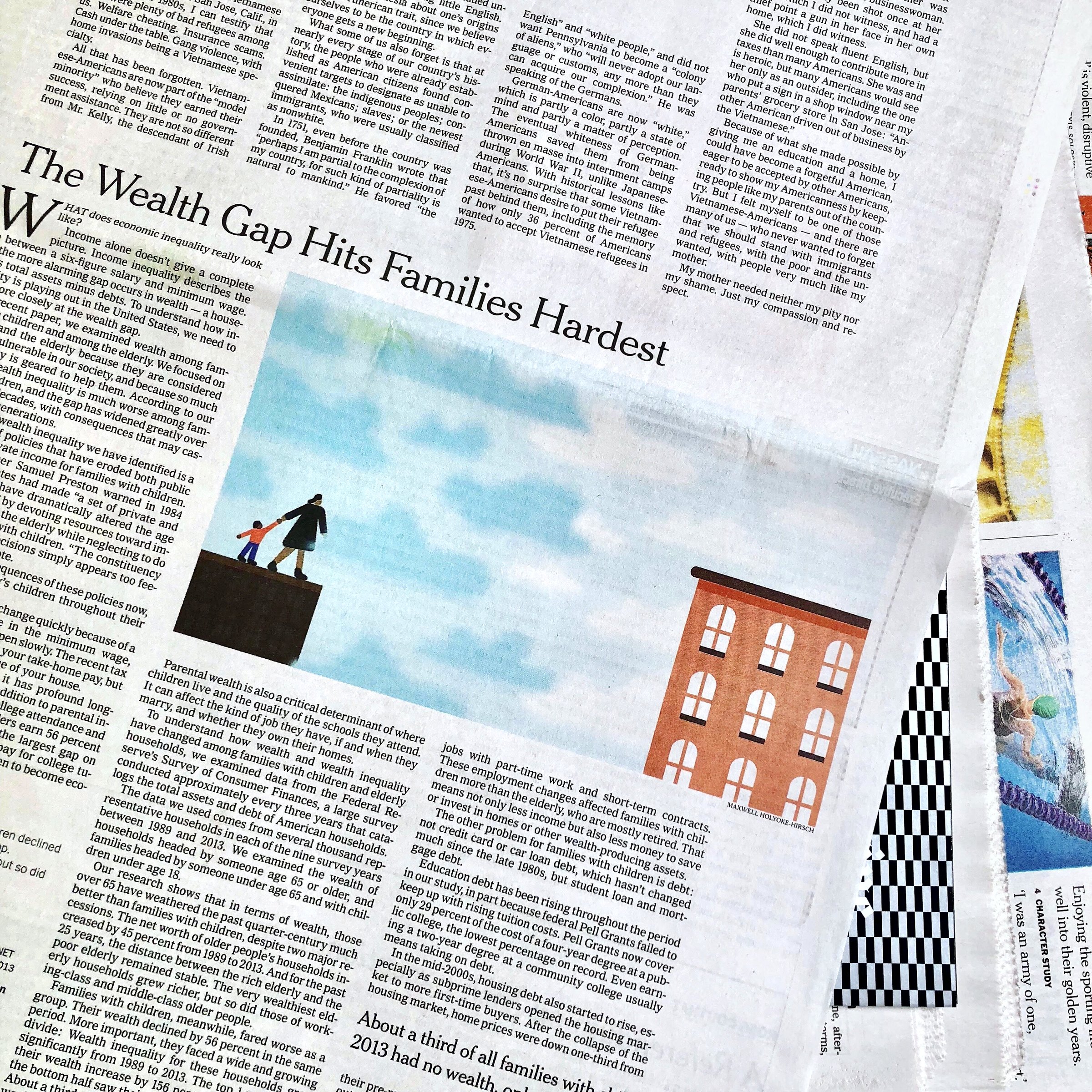
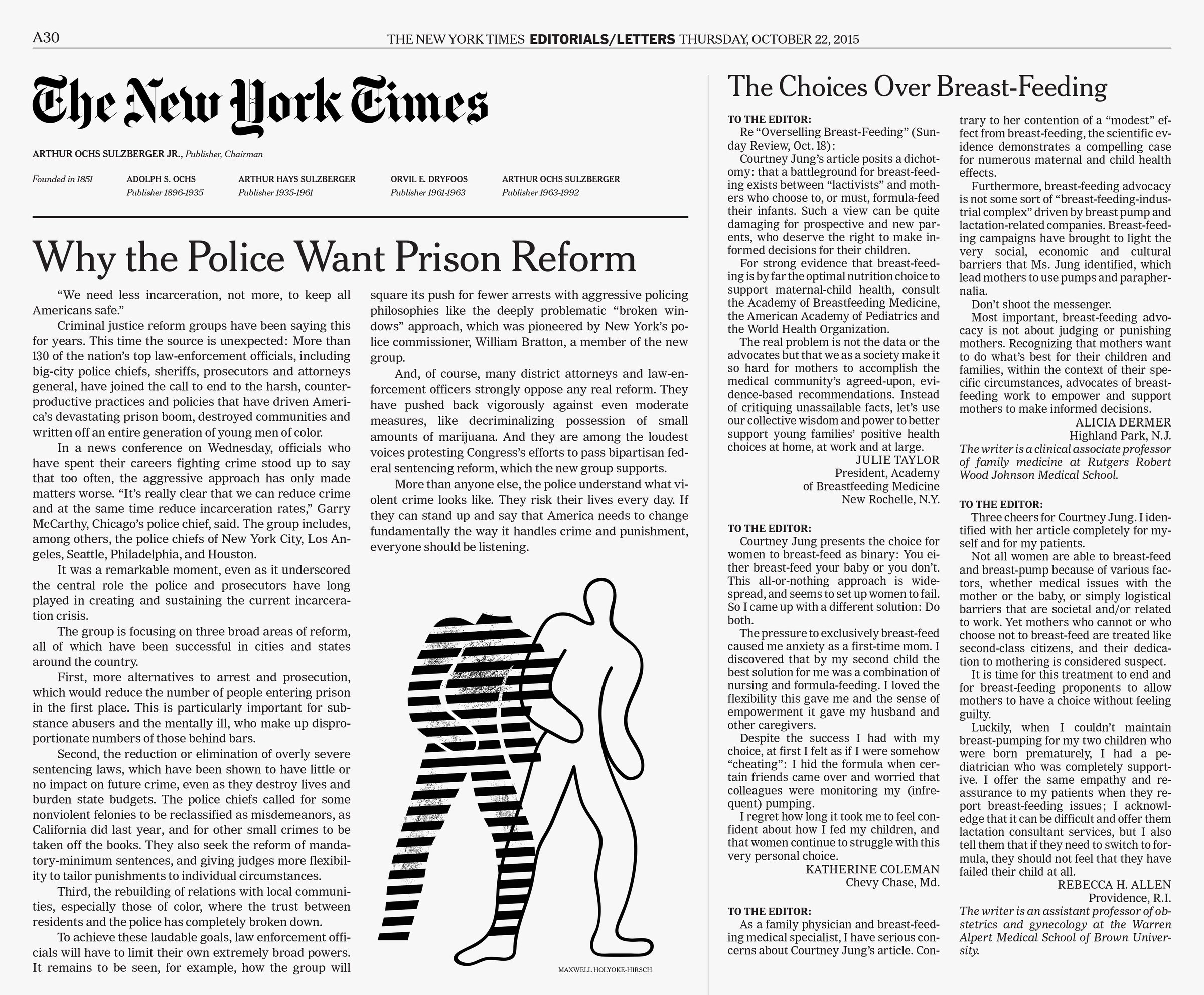
Why the Police Want Prison Reform
The New York Times
2015
Editorial page, October 22, 2015. Art direction by Sarah Williamson. Read the article
18
Genetics
Genome
2015
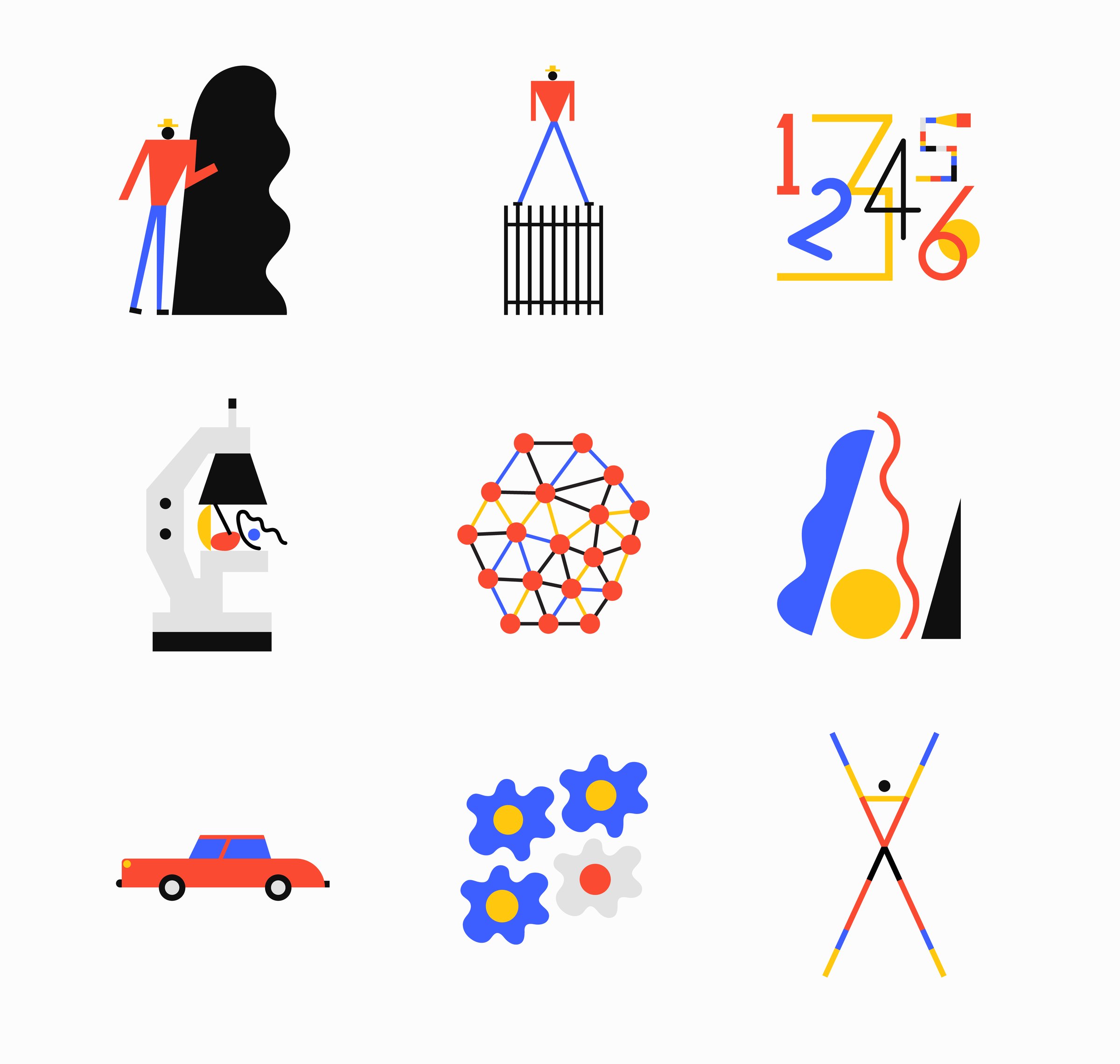
Spots for an article on genetics. Art direction by Samuel Solomon.
19
Sovereign Wealth Funds
Institutional Investor
2014
Sovereign wealth funds moving into European real estate. Art direction by Diana Panfil. Read the article
20
Cyber Attacks
Institutional Investor
2014
Cyber attacks. Art direction by Diana Panfil.
21
Mindfulness
Refinery29
2014
Mindfulness. Art direction by Ly Ngo.
22
Breaking Free From Credit Card Fees
Kiplinger
2014
Women breaking free from credit card fees. Art direction by Stacie Harrison.
23
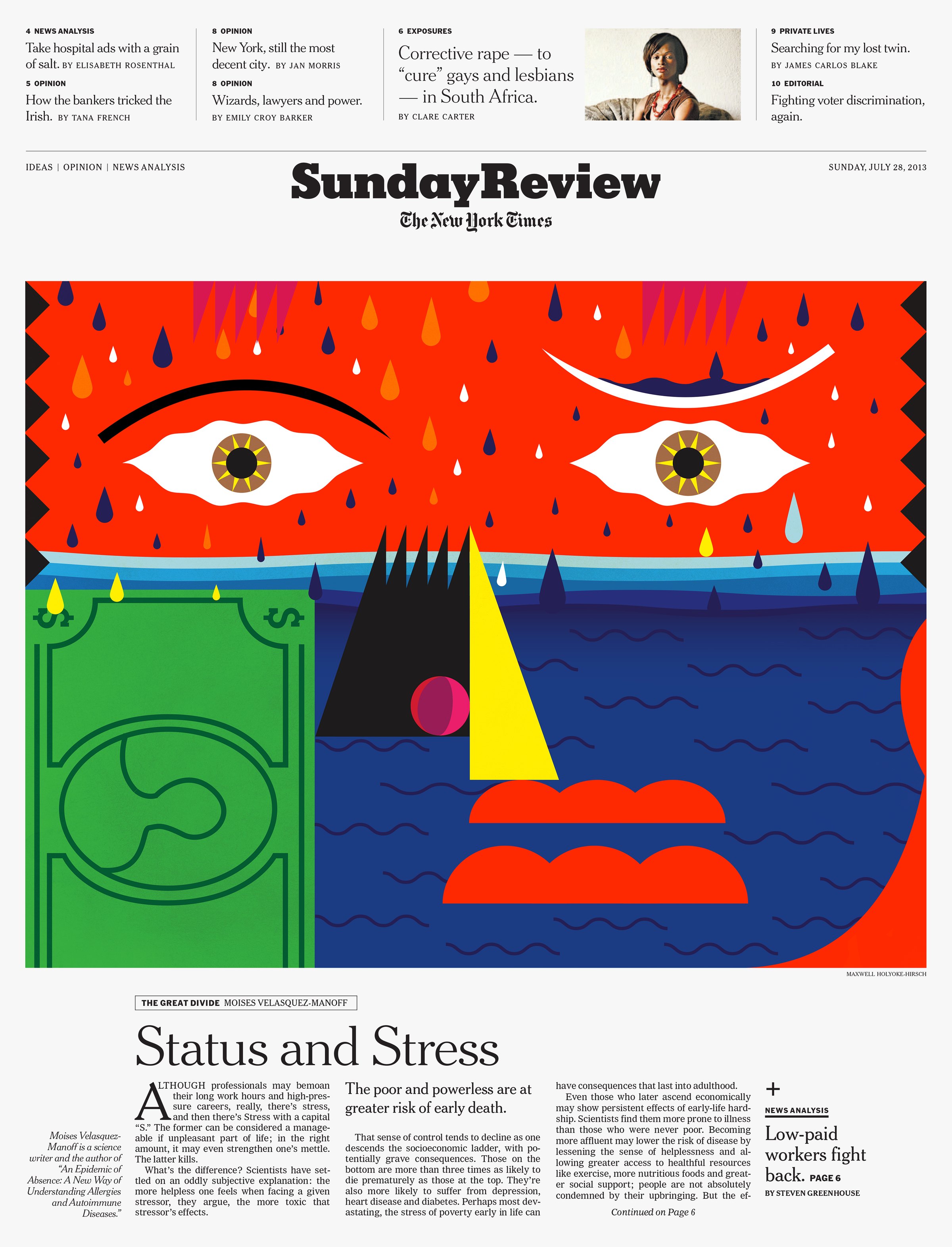
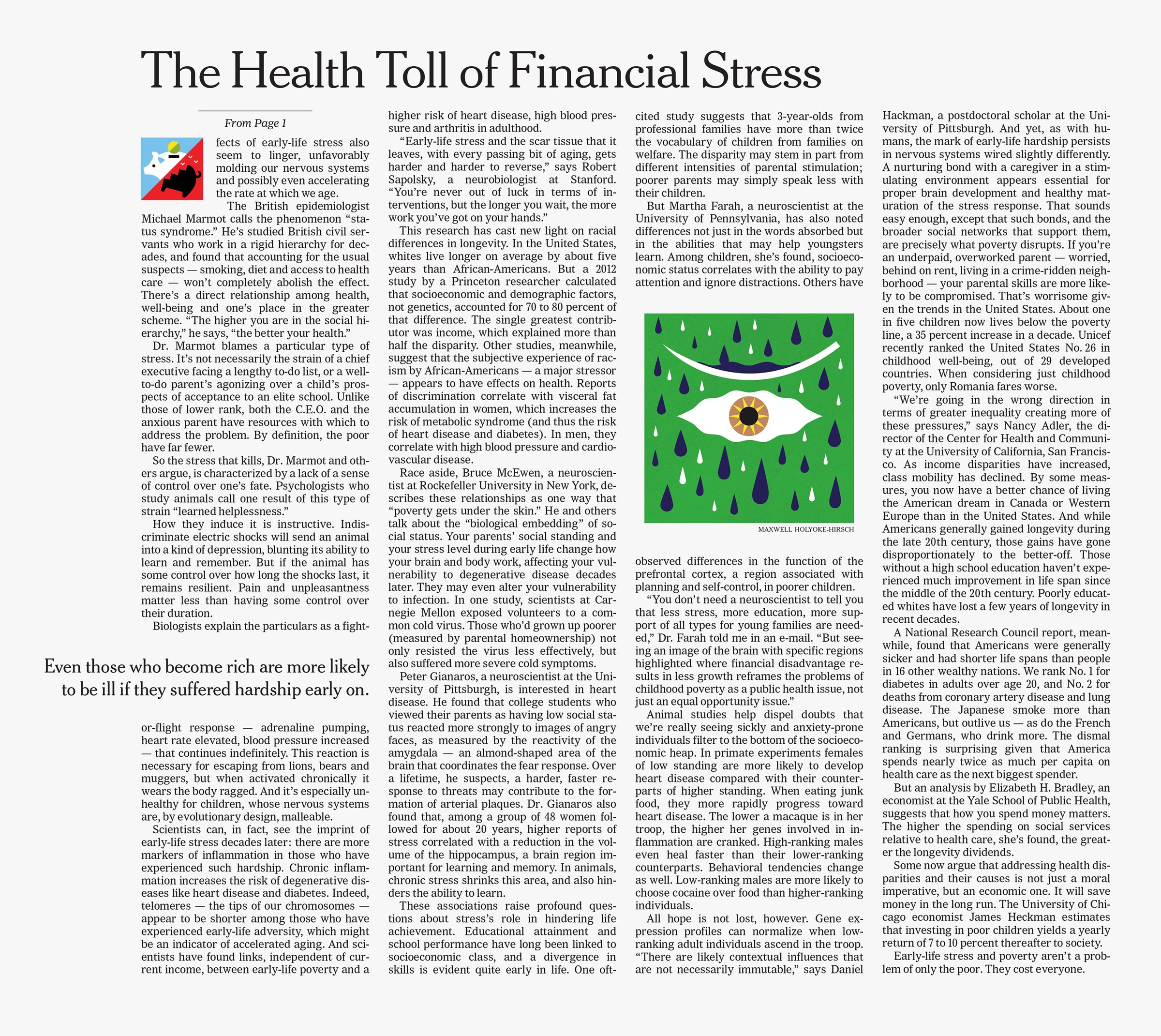
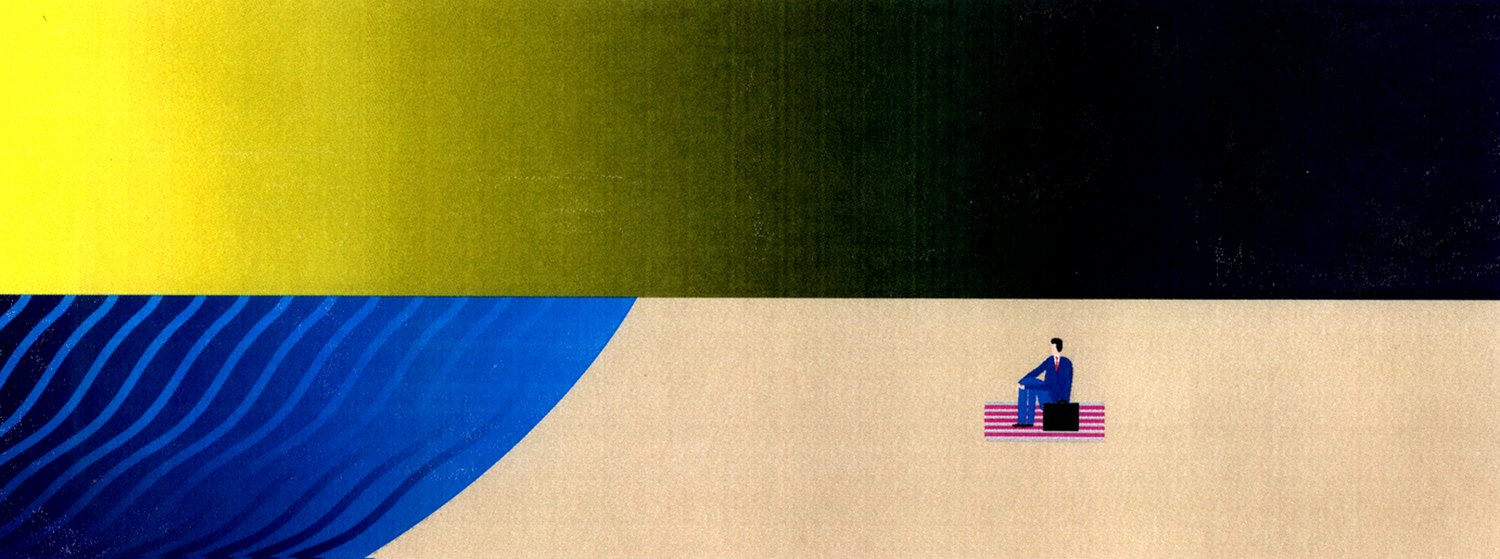
Status and Stress
The New York Times
2013
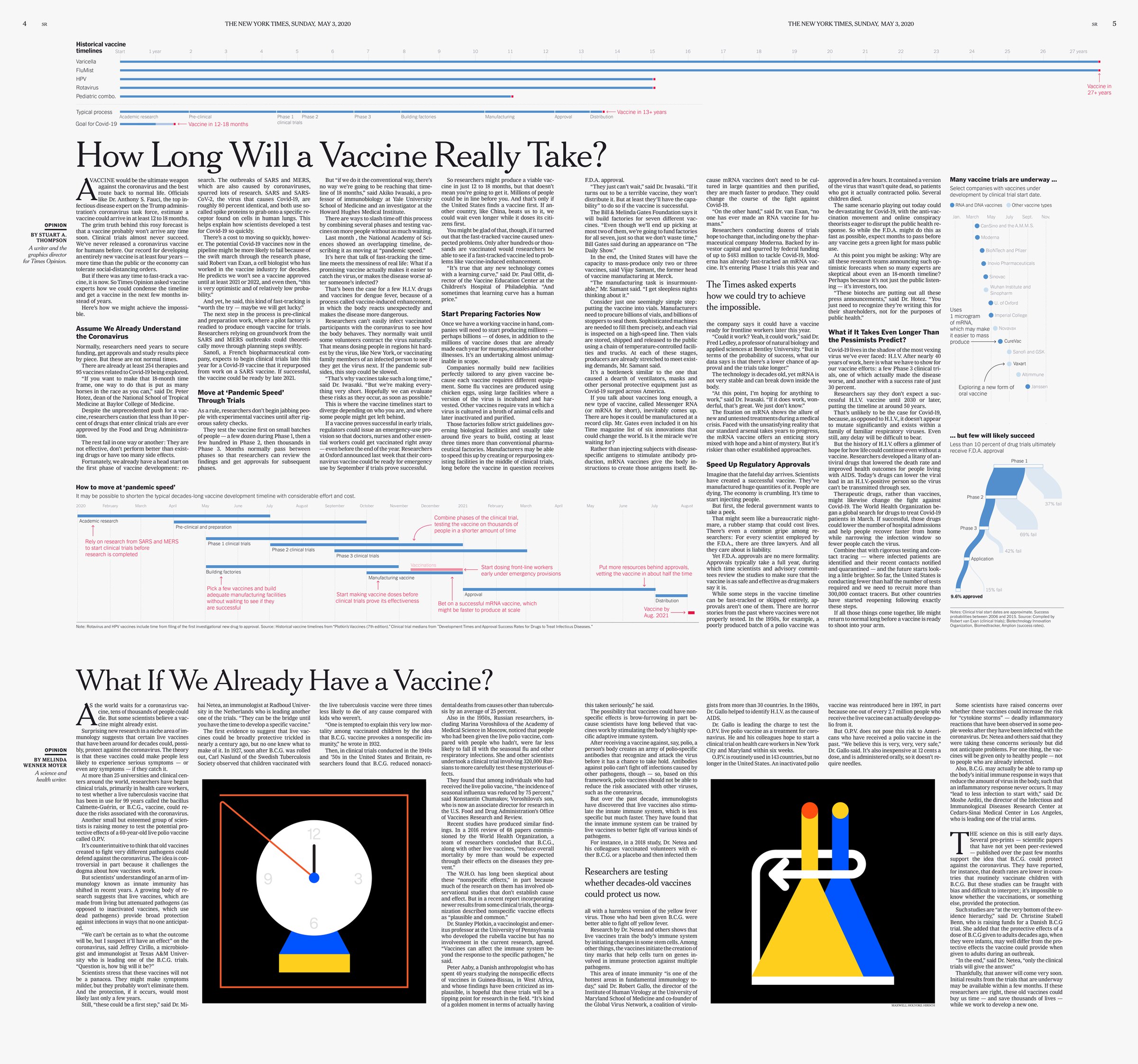
Sunday Review cover and inside page, July 28, 2013. Art direction by Aviva Michaelov. Read the article
24
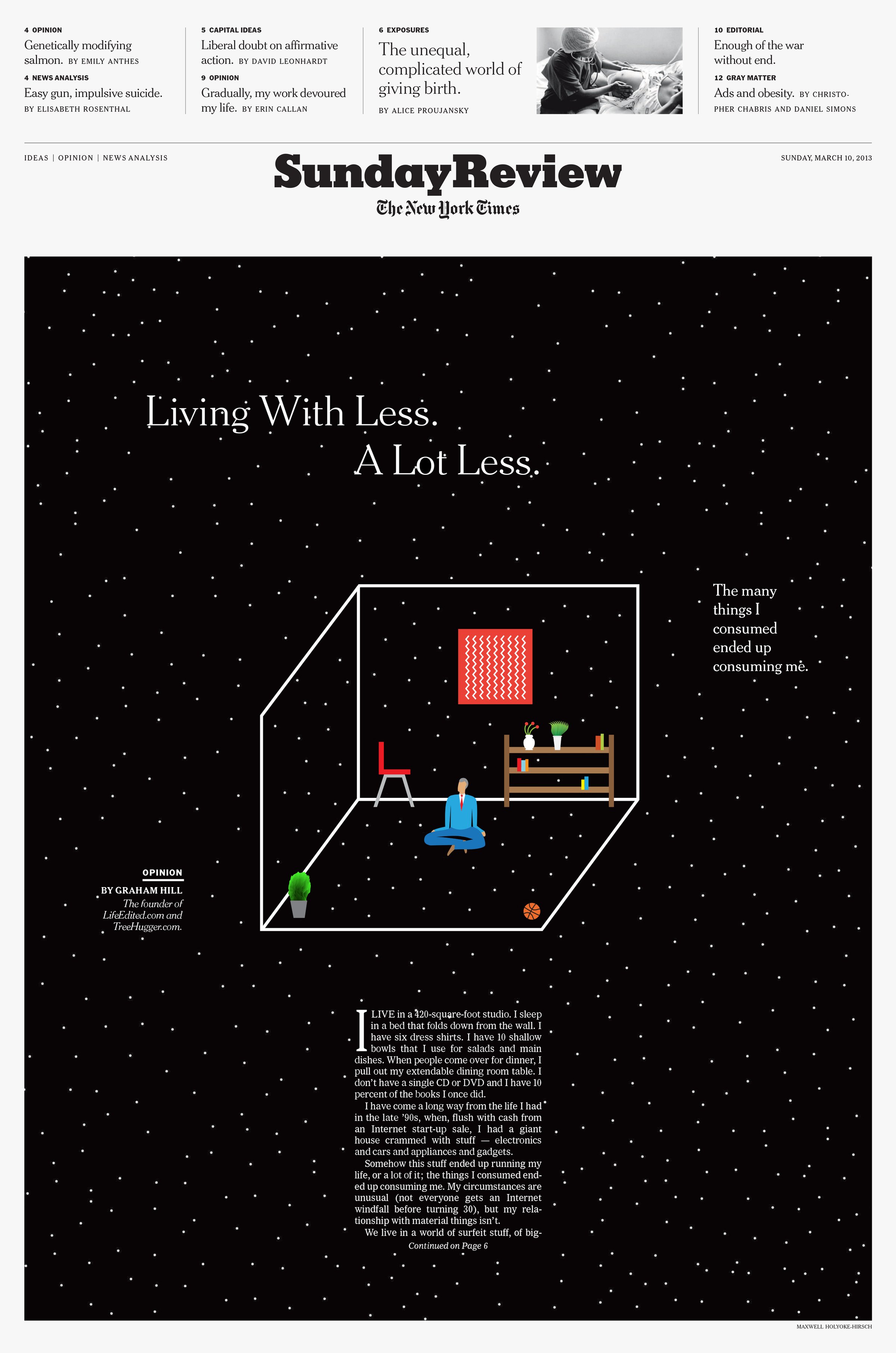
Living With Less. A Lot Less.
The New York Times
2013
Sunday Review cover, March 10, 2013. Art direction by Aviva Michaelov. Read the article
25
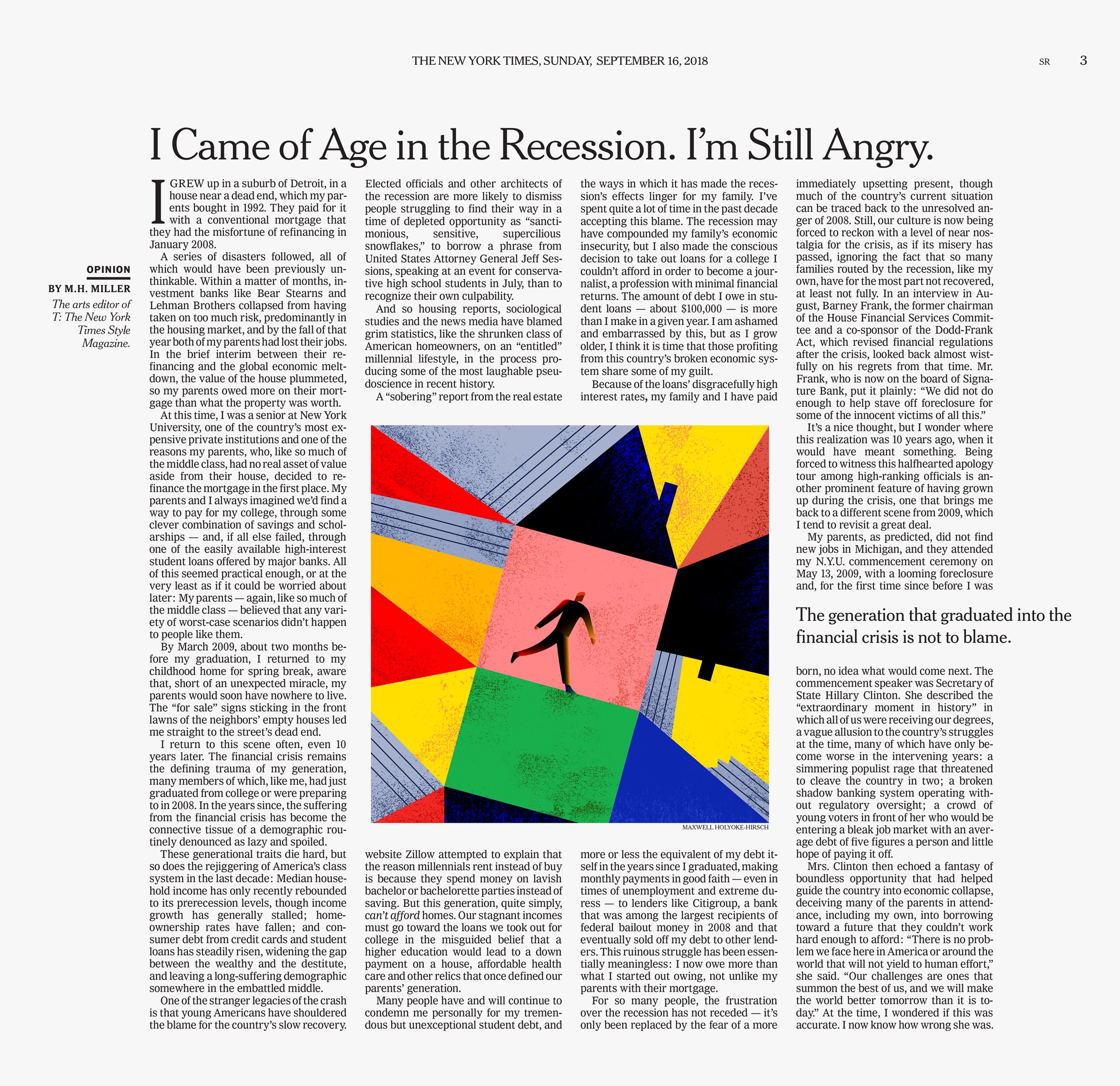
The Politics Behind the Gun Debate
The New York Times
2013
Opinion, January 28, 2013. Art direction by Alexandra Zsigmond. Read the article
26
Auto Workers
Jacobin
2013
The economic reality behind American auto’s latest PR campaign. Art direction by Remeike Forbes.
27
The Eight Hour Workday
Jacobin
2013
The eight-hour workday. Art direction by Remeike Forbes.
28
Sunday Mind
The Sunday Times
2013
The Sunday Mind column. Art direction by Sophie Dutton.
29
Human Capital Performance
Institutional Investor
2012
Human capital performance. Art direction by Diana Panfil.
30
Work & Recreation
Personal
2012
Personal work.
31
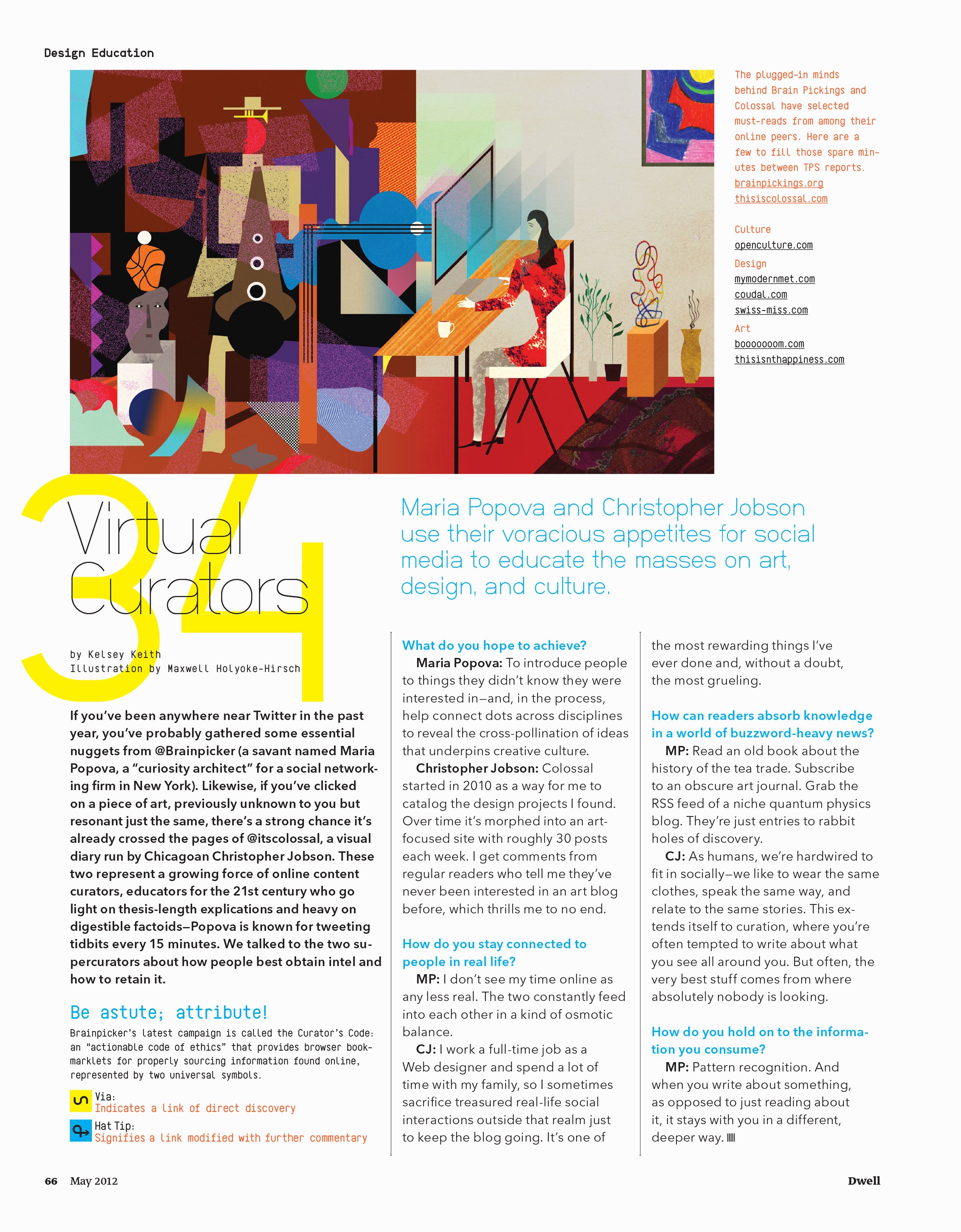
Virtual Curators
Dwell
2012
An interview with Maria Popova and Christopher Jobson, May 2012. Art direction by Alejandro Chavetta.
32
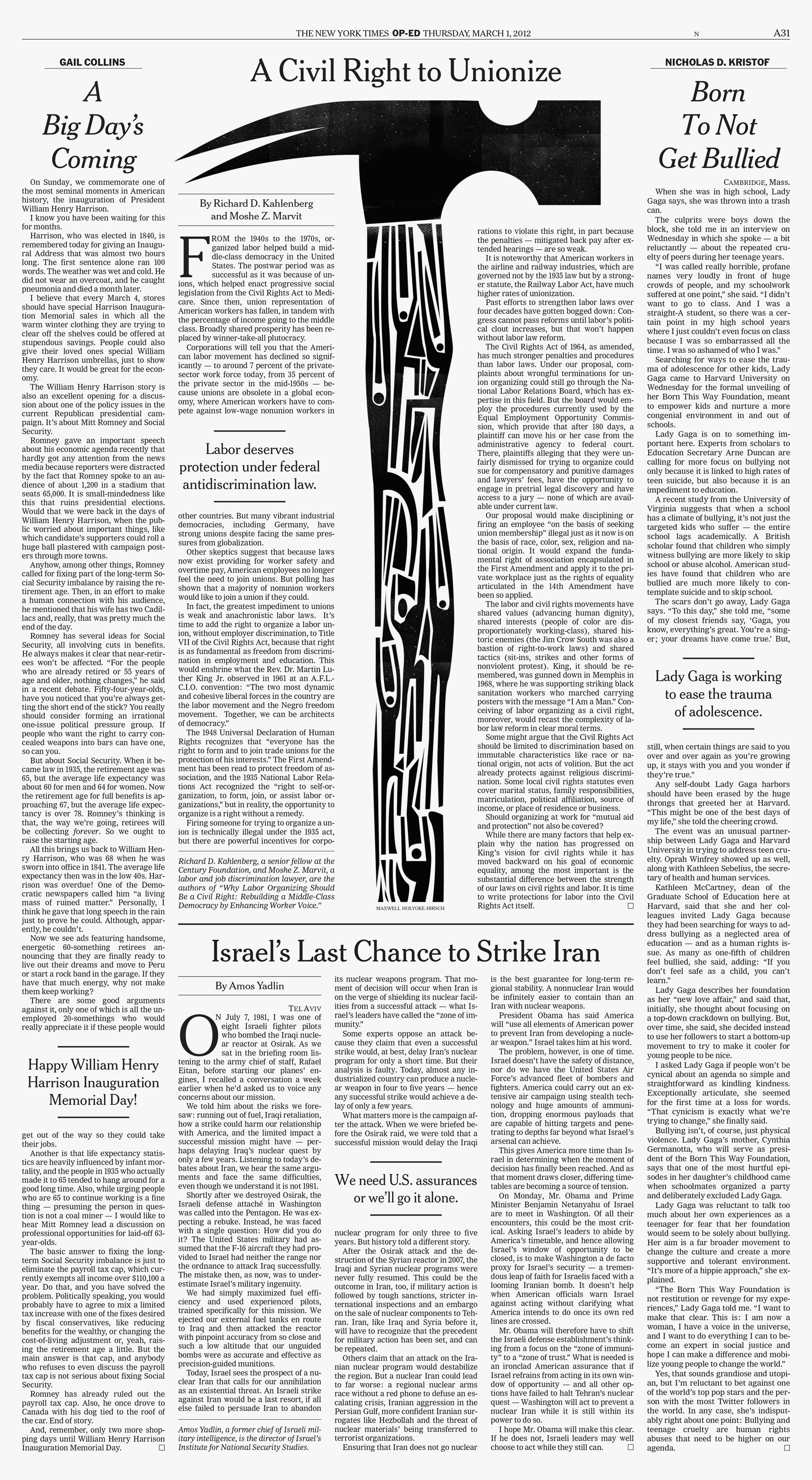
A Civil Right to Unionize
The New York Times
2012
Op-Ed, March 1, 2012. Art direction by Matt Dorfman. Read the article
33
Salman Rushdie’s “The Satanic Verses”
Bloomberg
2012
The controversy around Salman Rushdie’s “The Satanic Verses.” Bloomberg View, January 25, 2012. Art direction by Gary Fogelson and Phil Lubliner. Read the article
34
Haiti Doesn’t Need a New Army
Bloomberg
2011
Bloomberg View, November 2, 2011. Art direction by Gary Fogelson and Phil Lubliner. Read the article
35
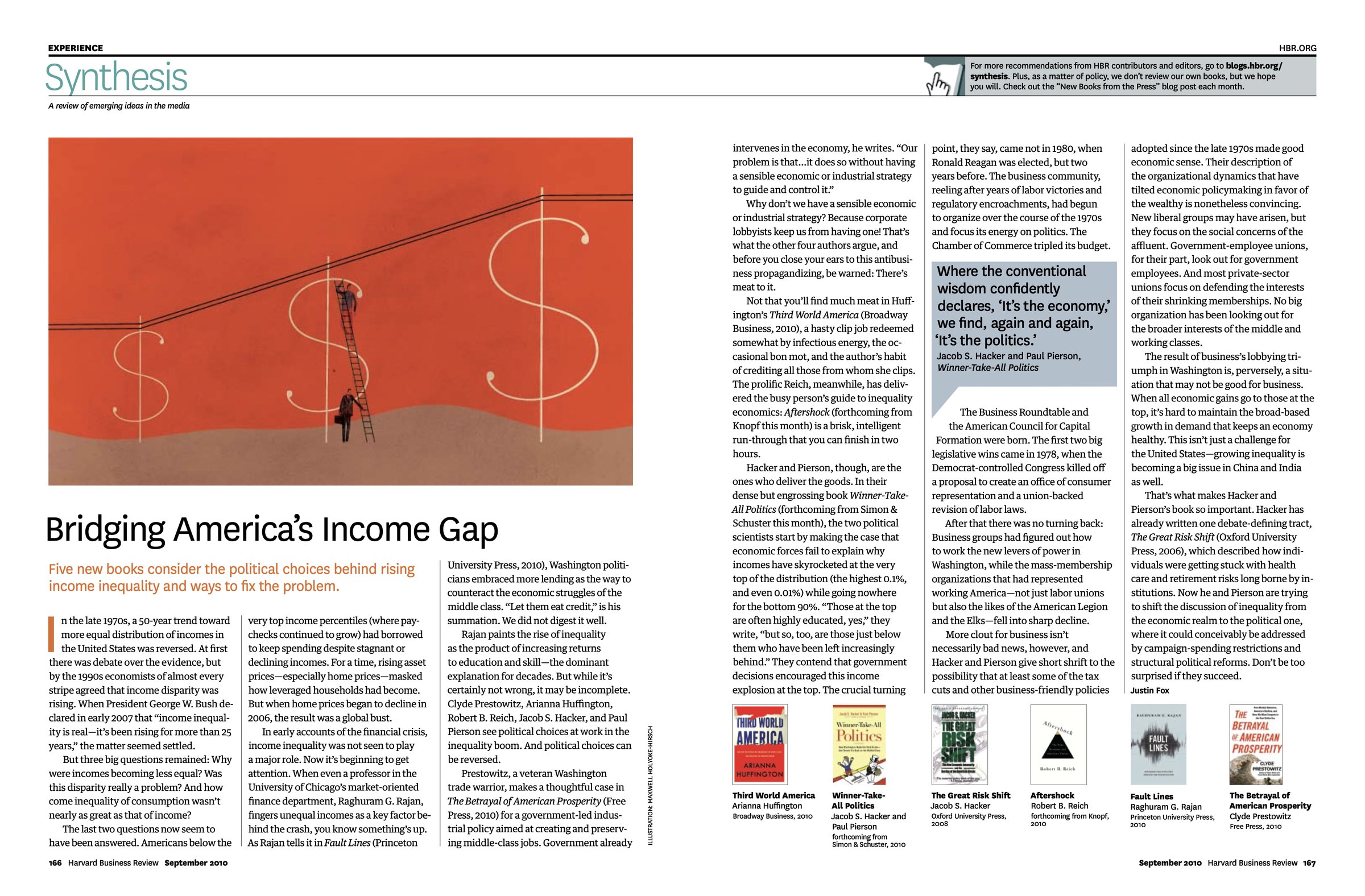
Bridging America’s Income Gap
Harvard Business Review
2010
Synthesis section, September 2010.
36
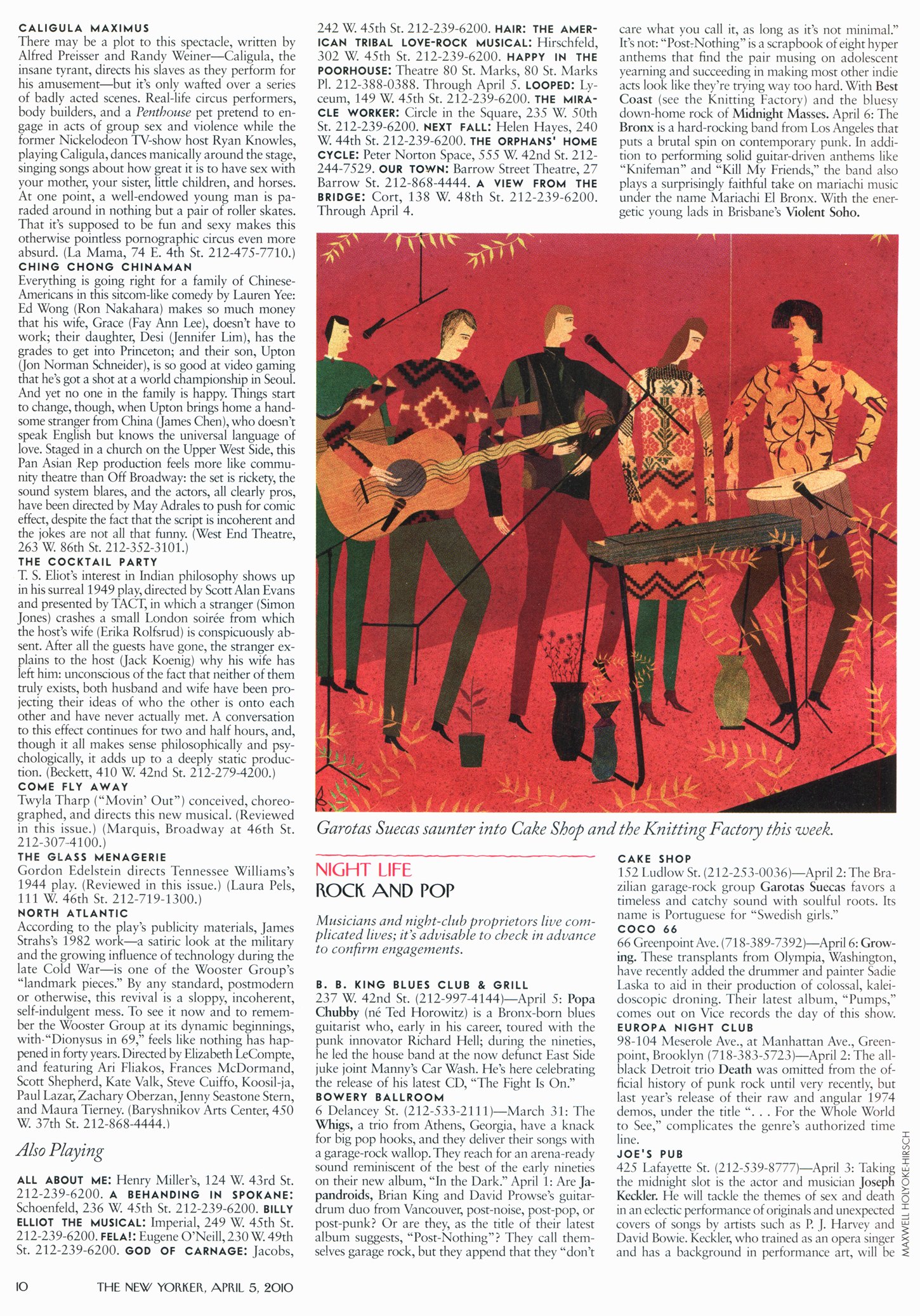
Garotas Suecas
The New Yorker
2010
Night Life feature on the Brazilian band Garotas Suecas, April 5, 2010. Art direction by Max Bode.
Product design · User research · IllustrationWith a product manager and engineers
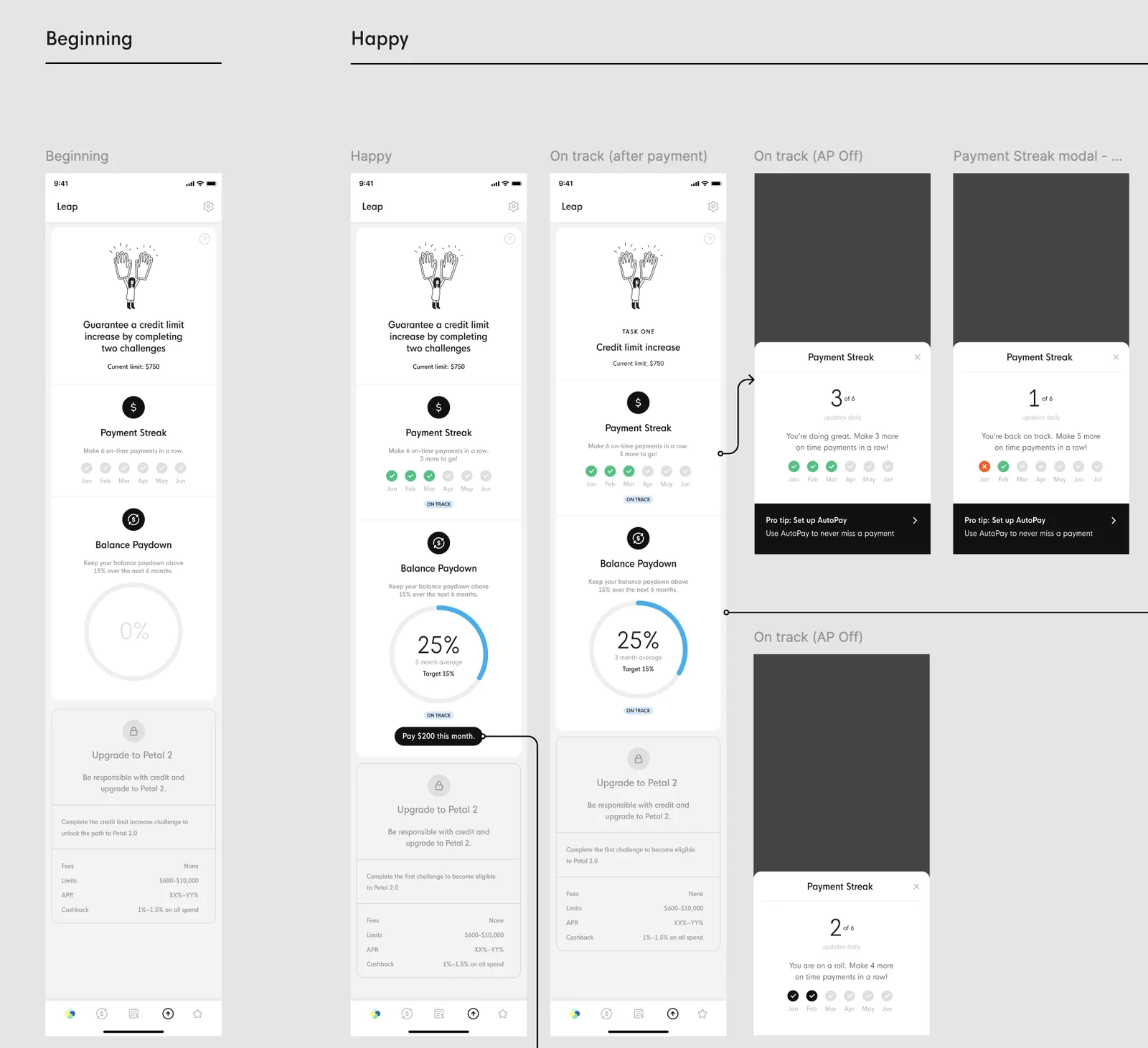
Petal makes credit cards for people new to credit. Leap is a program that lets cardholders earn a higher credit limit by building healthy credit habits.
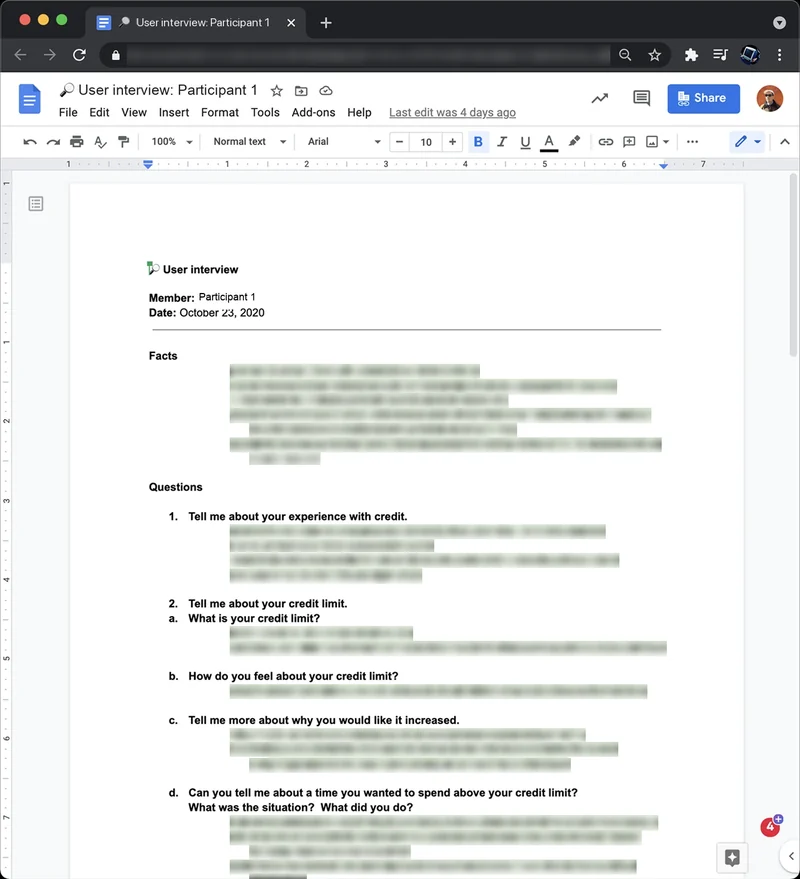
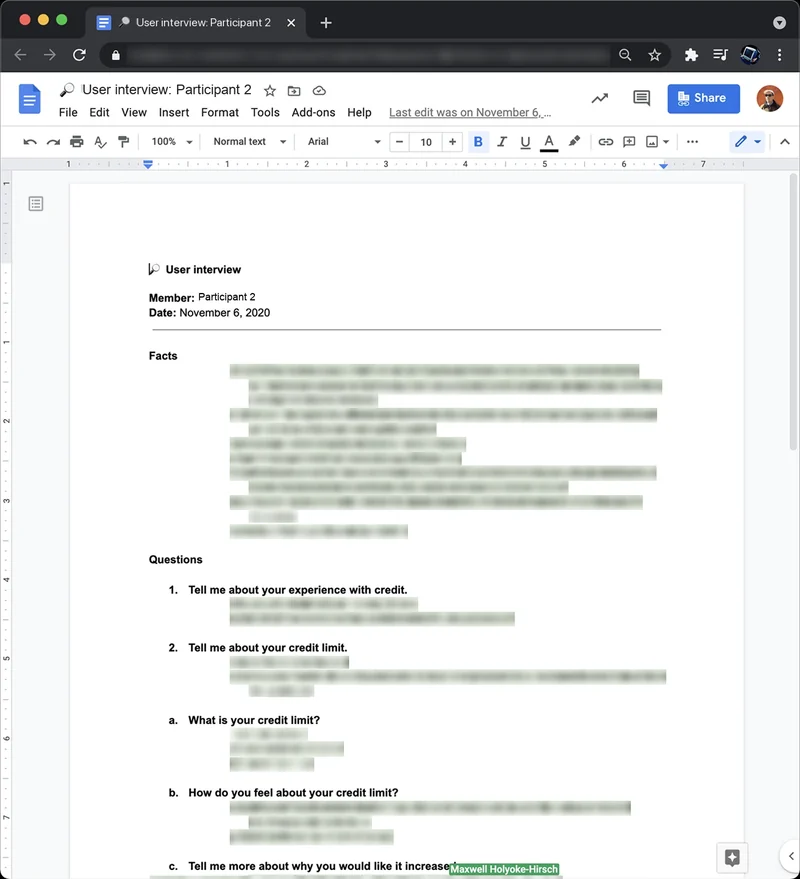
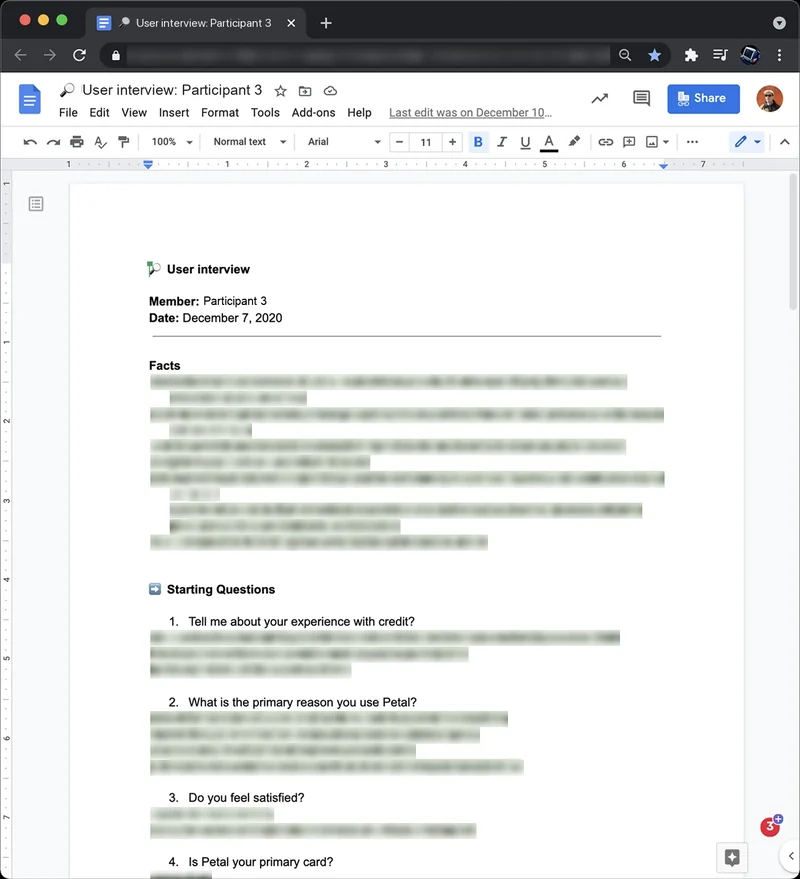
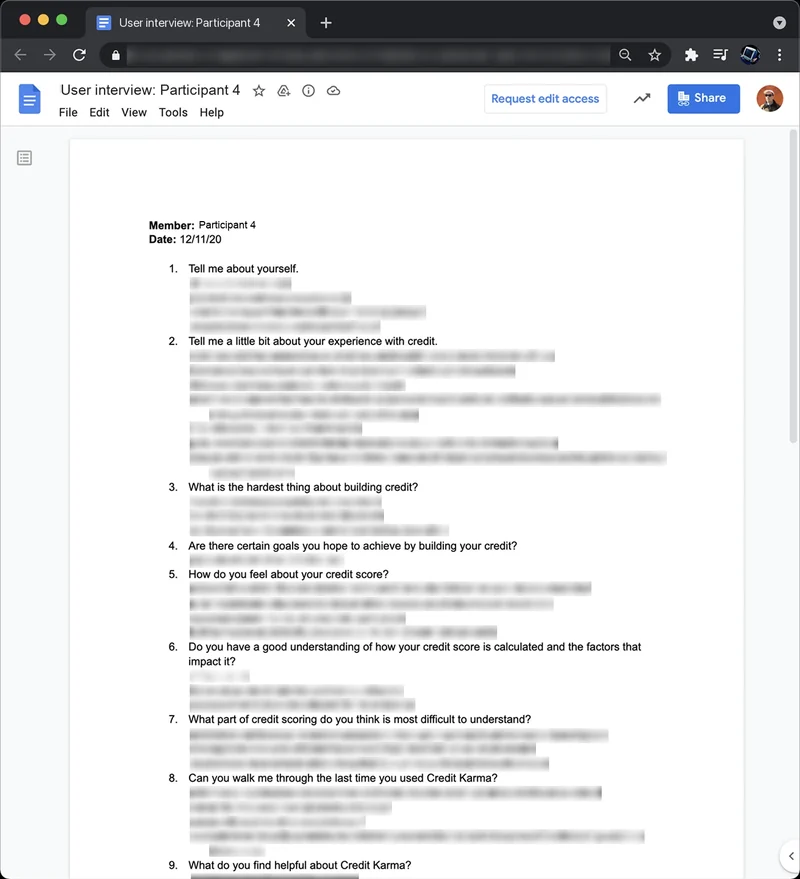
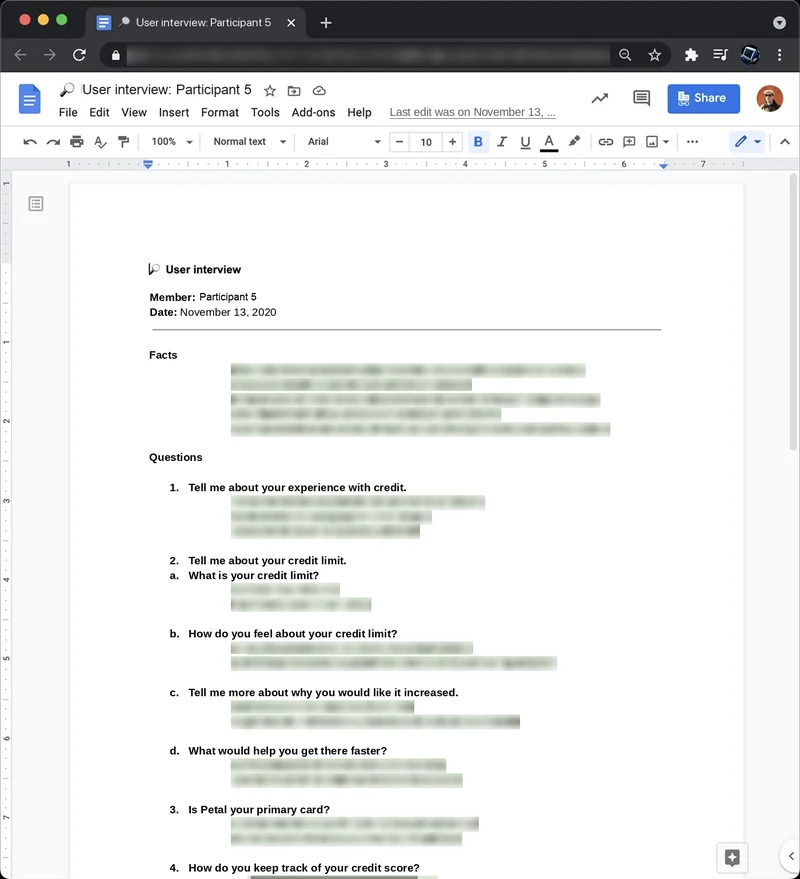
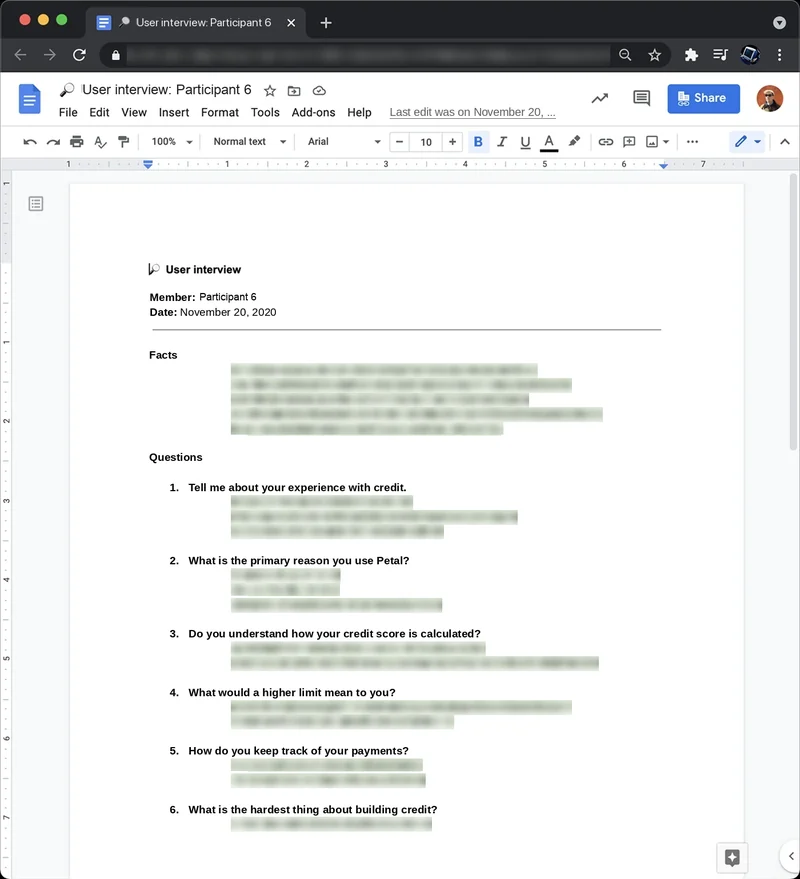
I interviewed six cardholders, ages 20 to 65. They wanted a higher limit to raise their score and trusted that on-time payments should earn one, but didn’t know what it would take.
Leap needed three things: clear rules, visible progress, and a guaranteed reward.
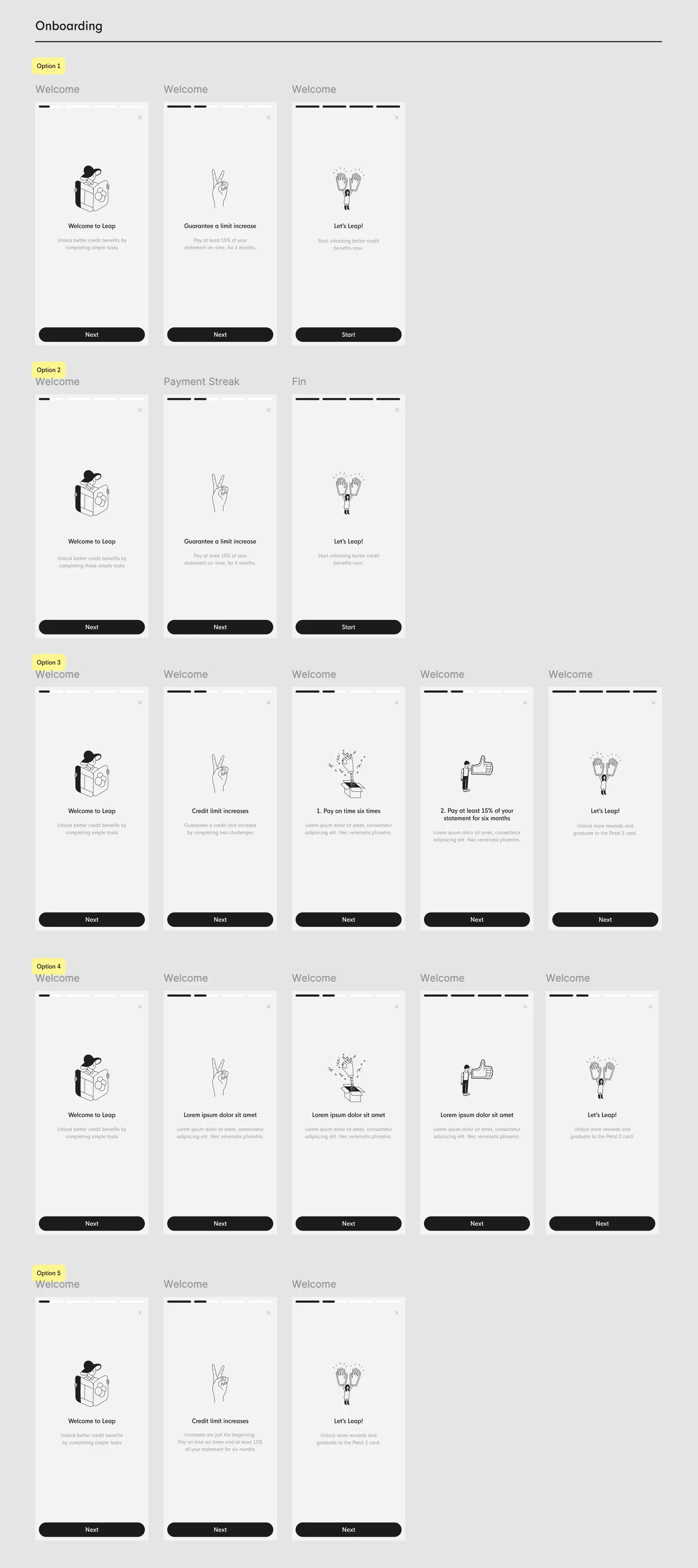
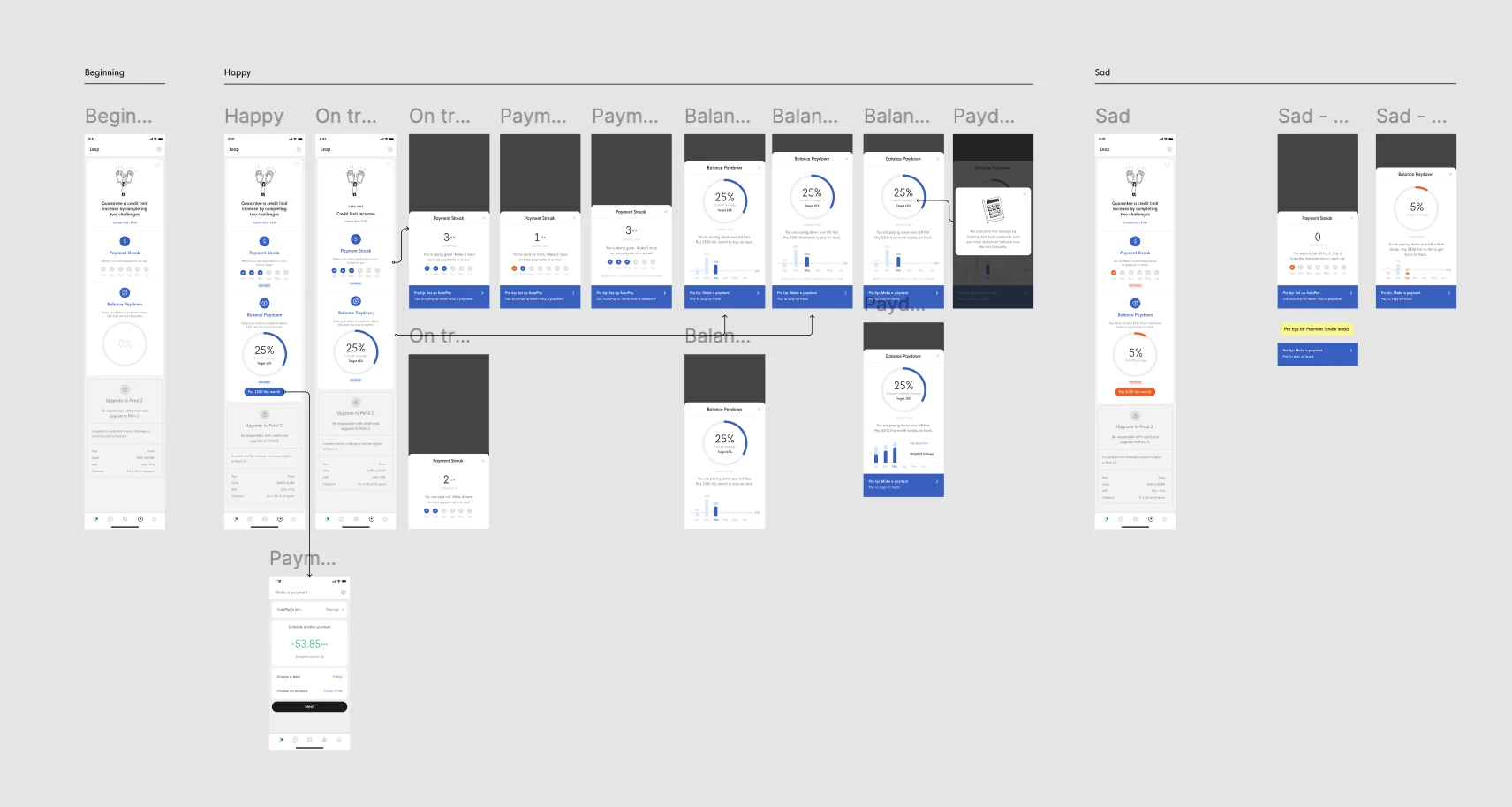
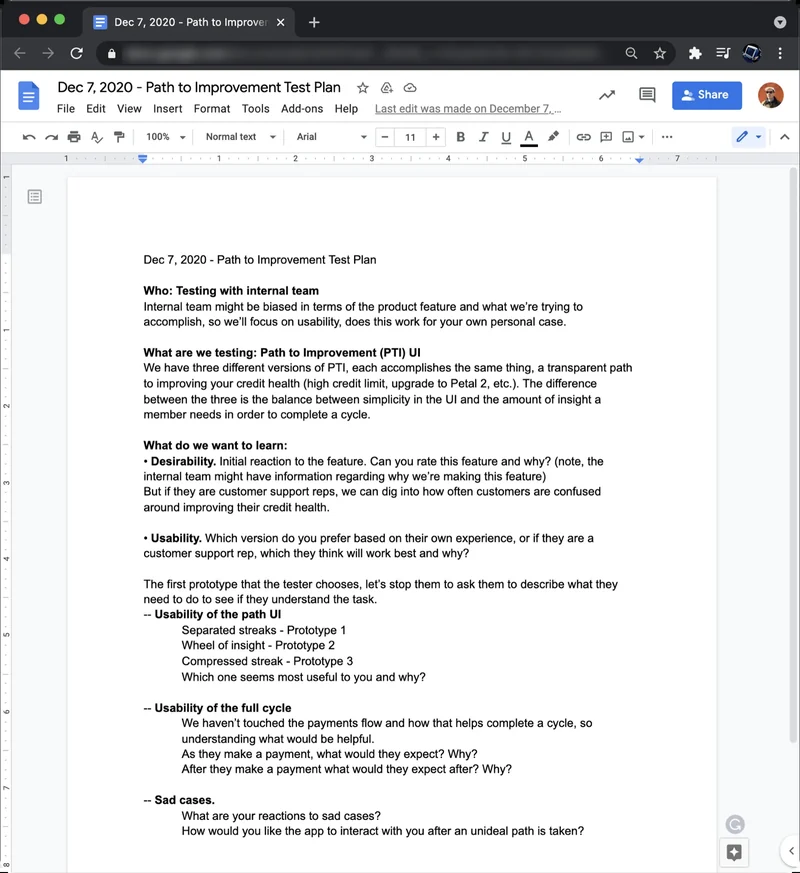
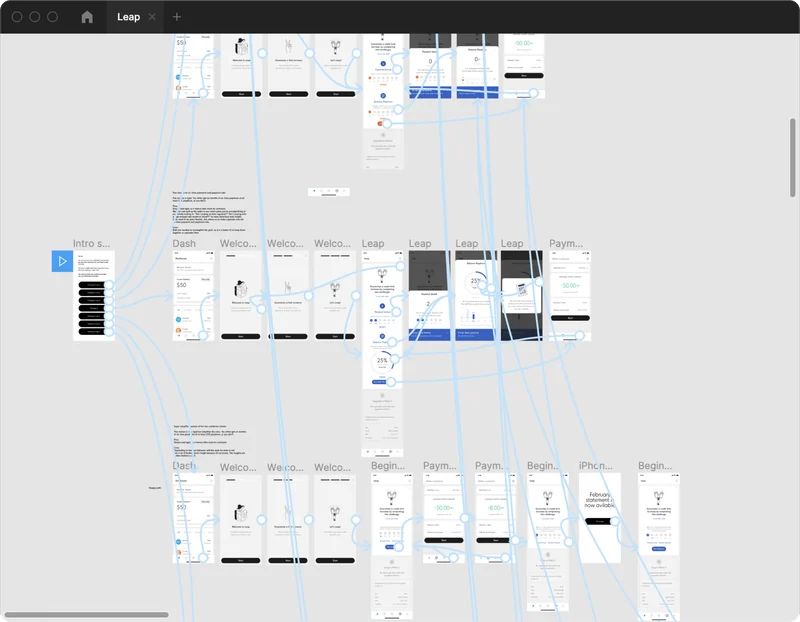
Rounds of exploration covered onboarding, setbacks, and where the credit score fits, then narrowed to three directions to prototype.
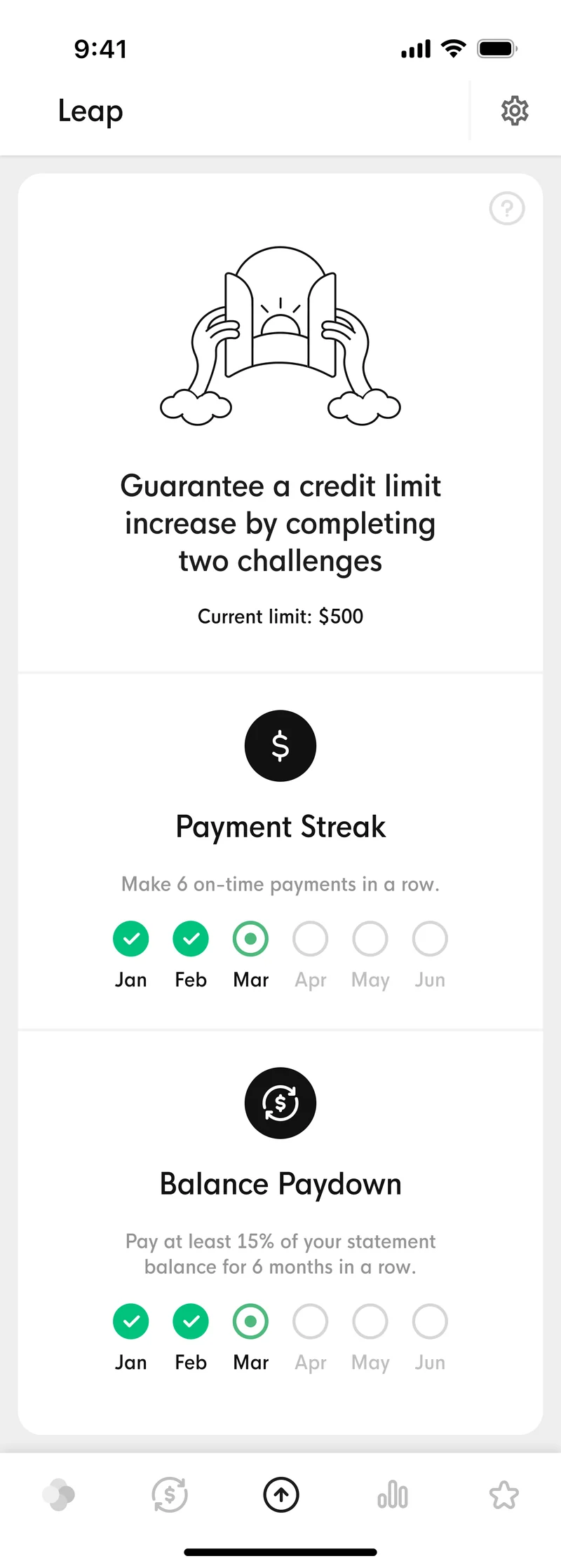
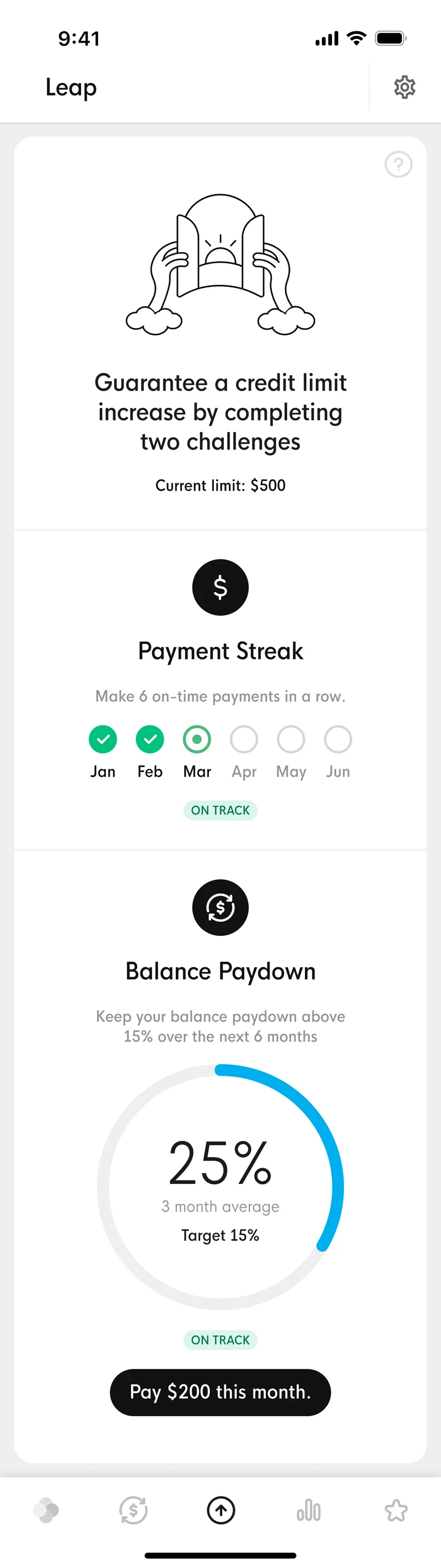
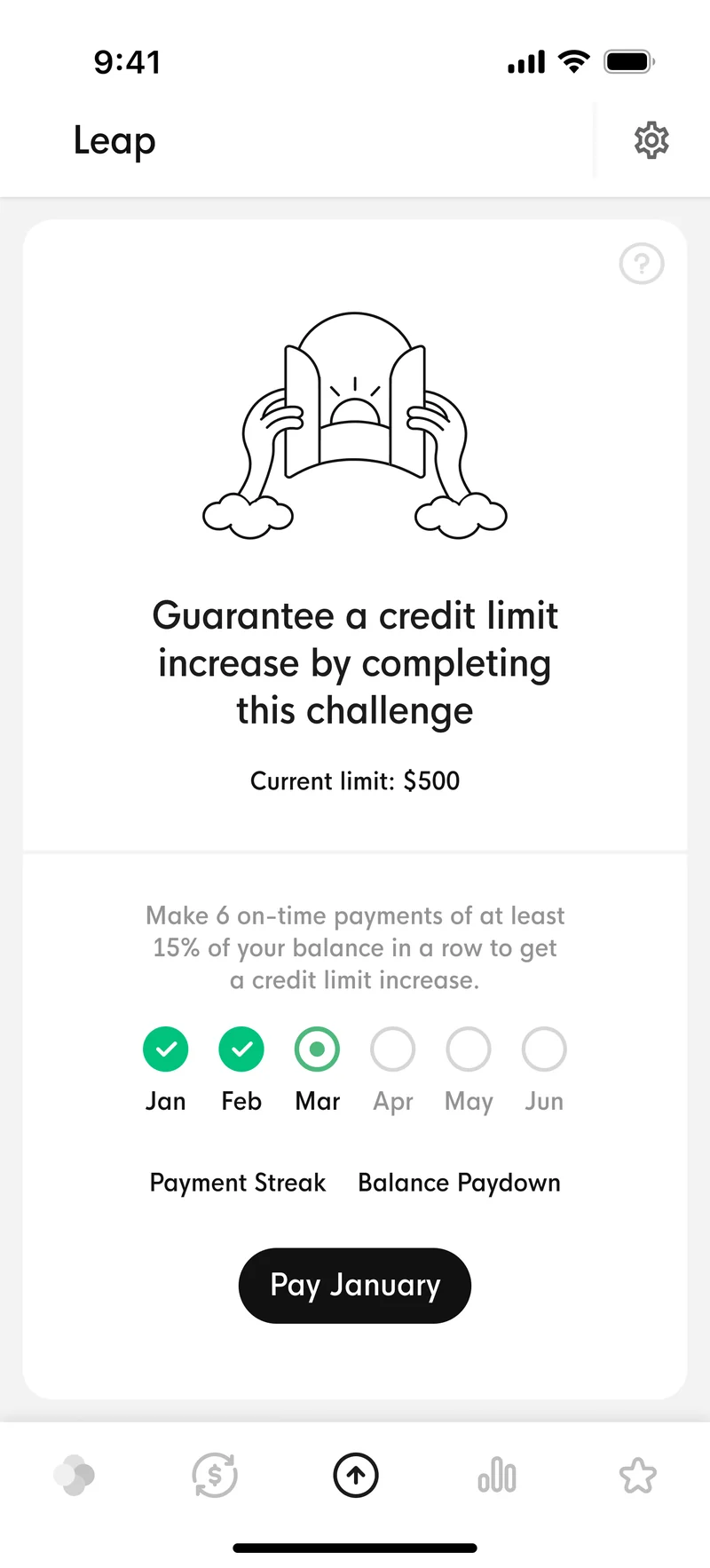
I tested three versions with cardholders. The winner had one goal: six on-time payments in a row, which felt like a game people could win. Two side-by-side goals looked too similar and confused people, and the version with a balance gauge took too long to read.
One goal
Pro
Felt like a simple, winnable game.
Con
Rules need repeating throughout the flow.
Two goals
Pro
Showed progress on both goals.
Con
The two goals looked too similar.
Goal + gauge
Pro
Gave more insight into payments.
Con
Took testers longer to understand it.
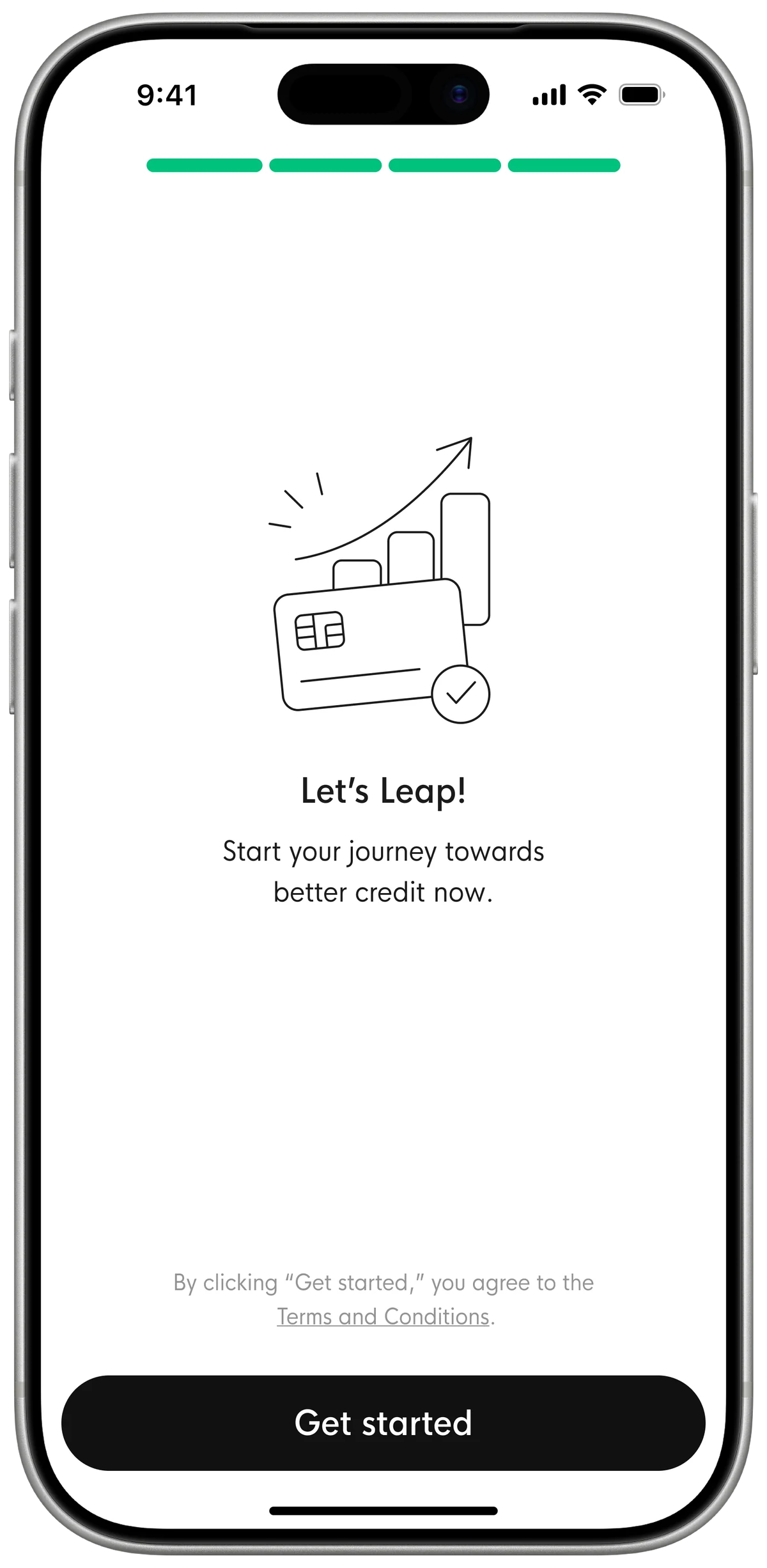
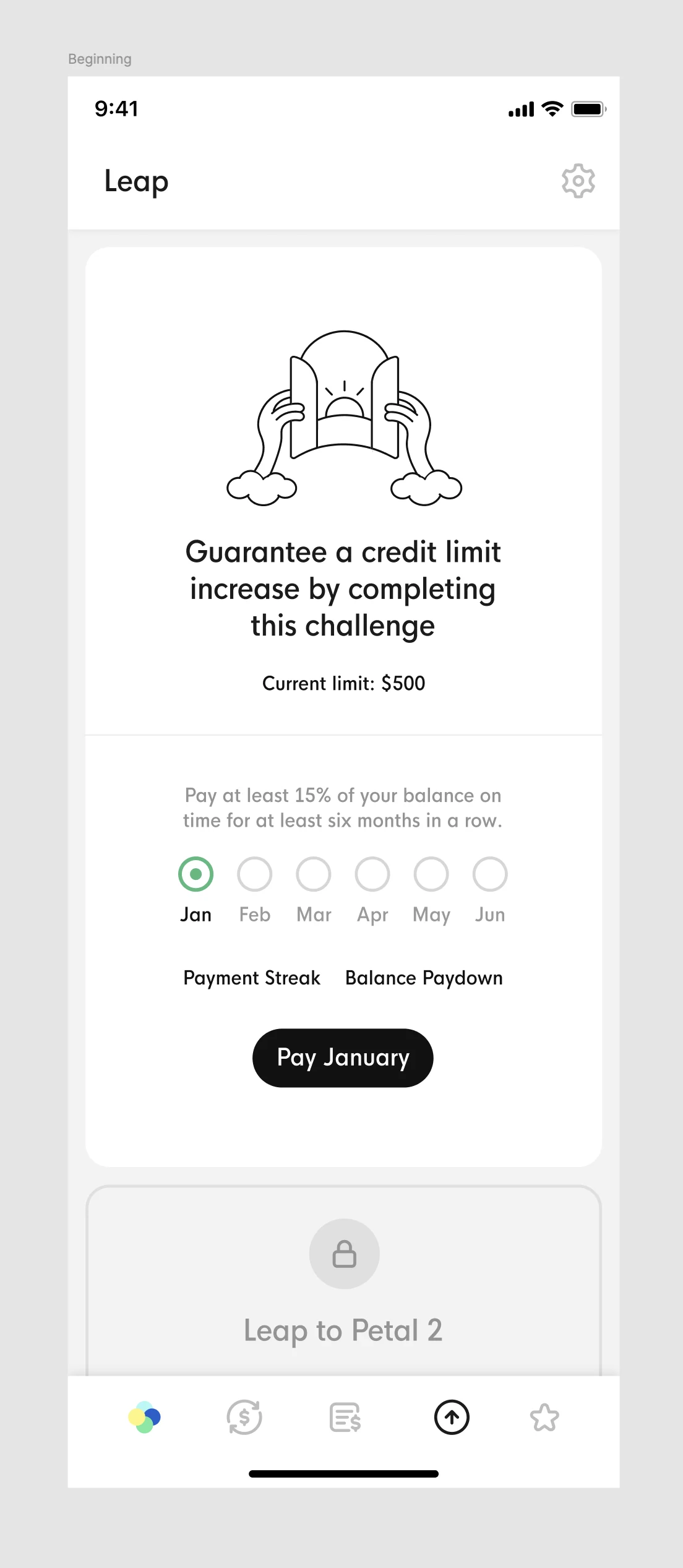
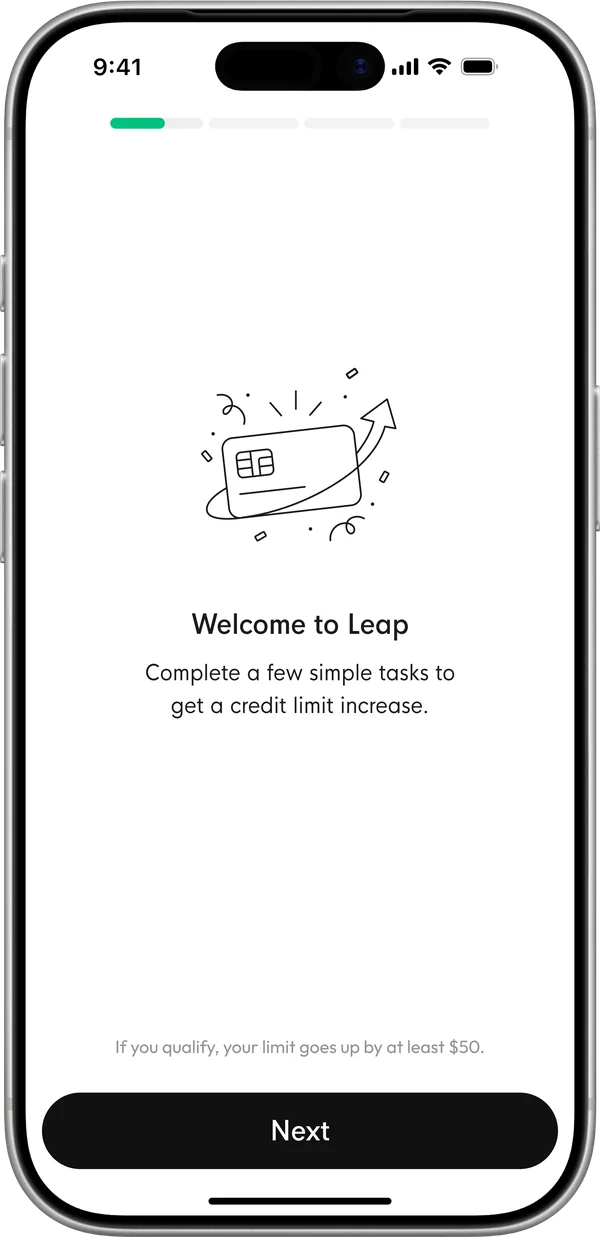
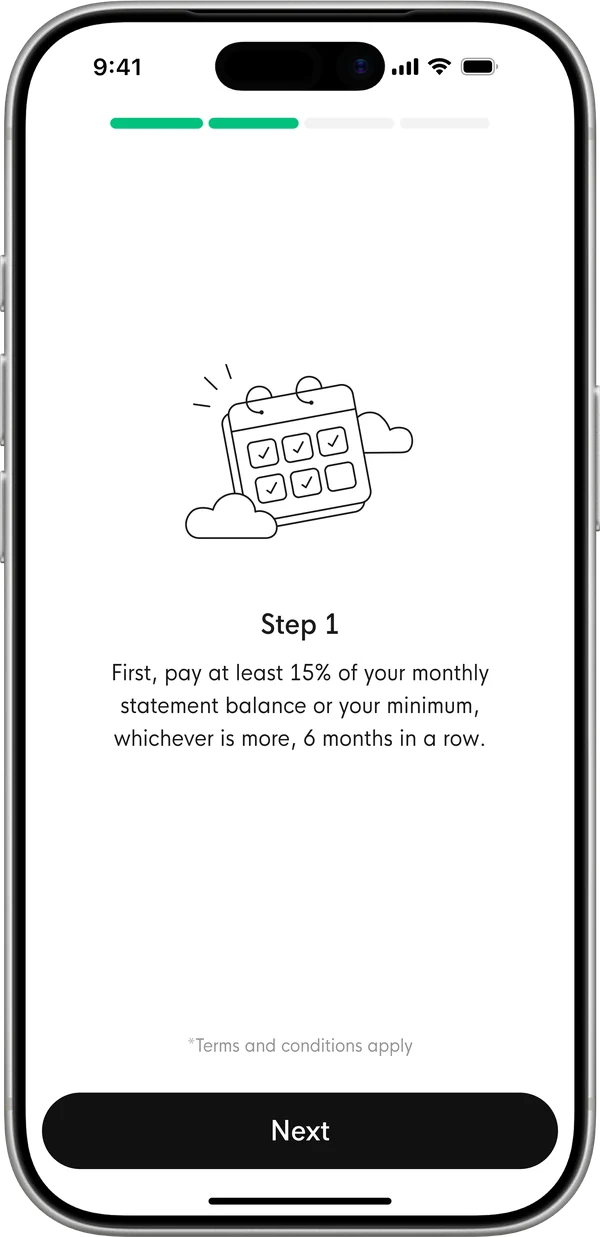
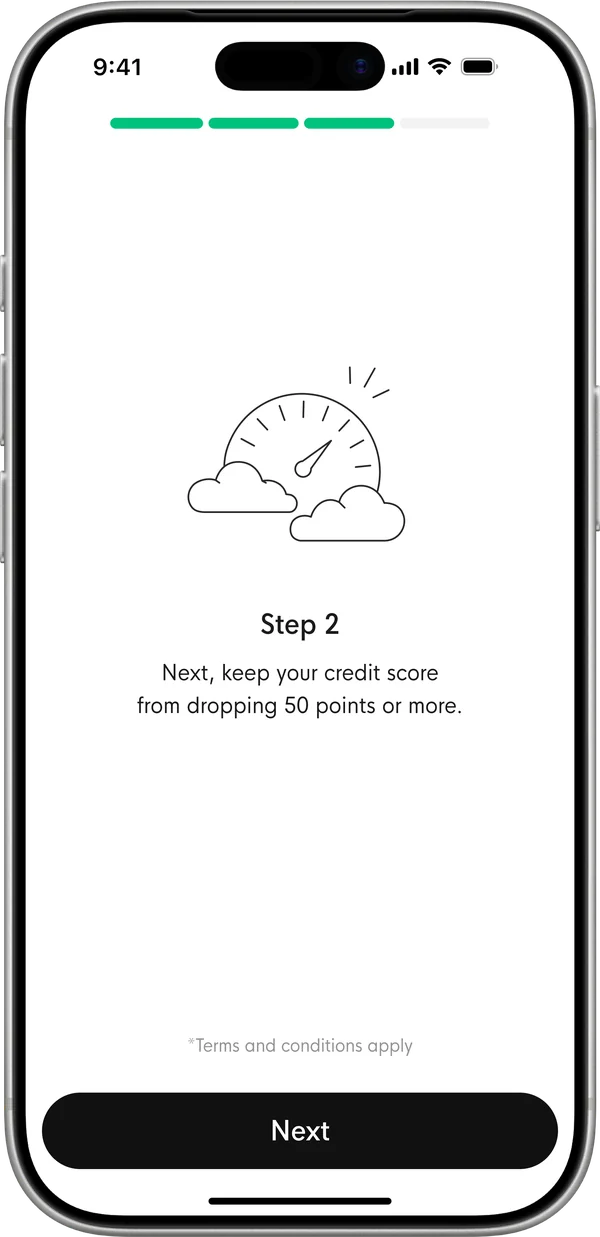
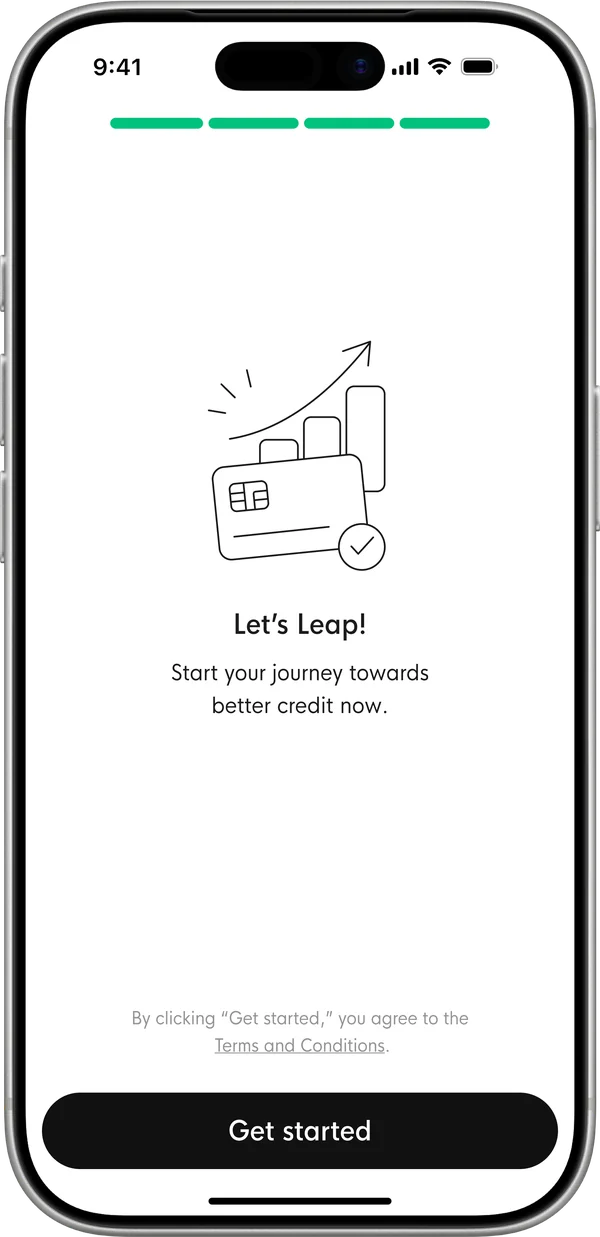
The final design keeps one six-month streak at the center. Before you start, four screens explain what you’ll earn, the two rules, and how to begin.
The reward comes first: a higher credit limit.Step one: six on-time payments of at least 15%.Step two: don’t let your score drop 50 points or more.Then one tap starts the six-month streak.
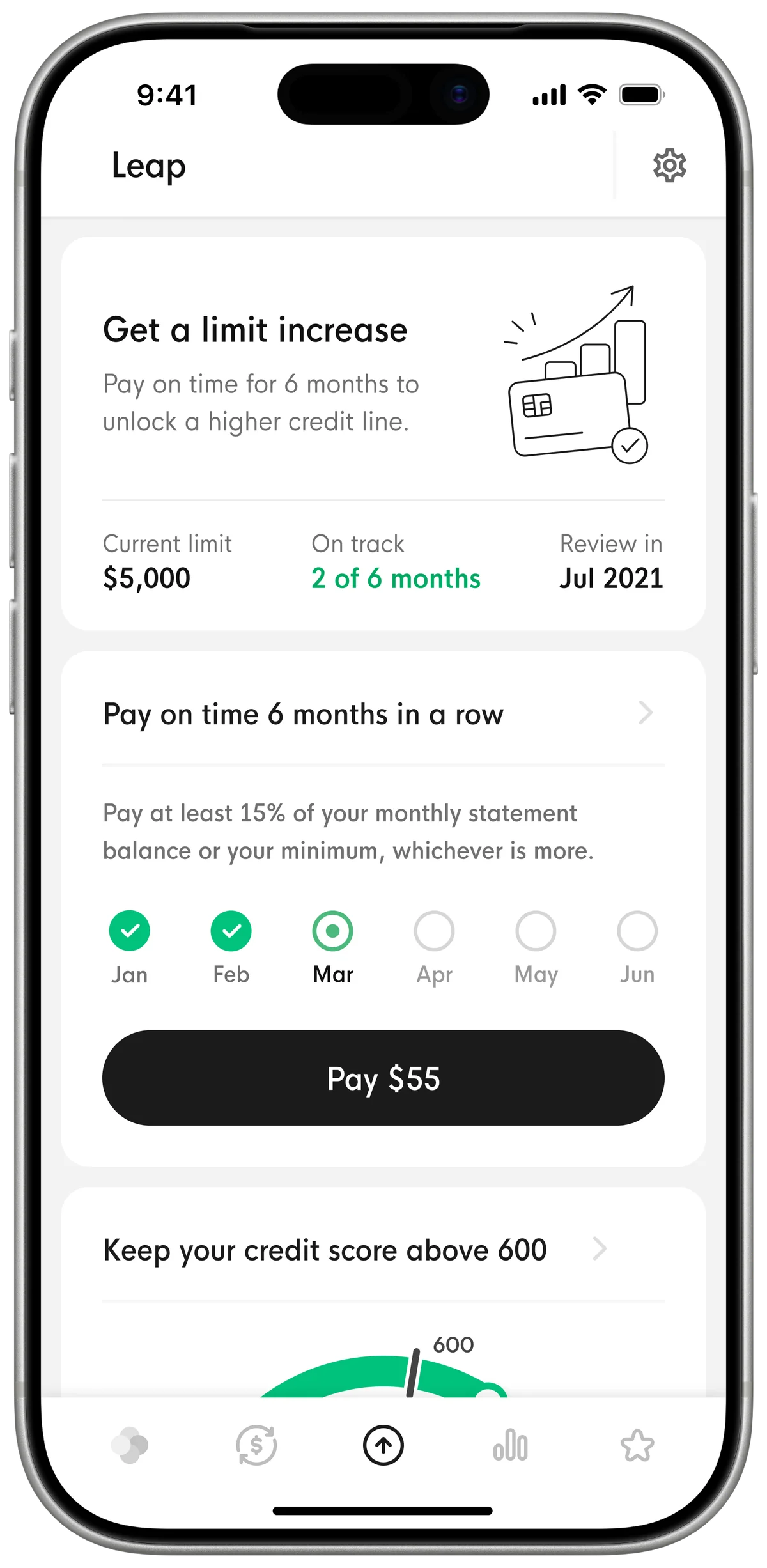
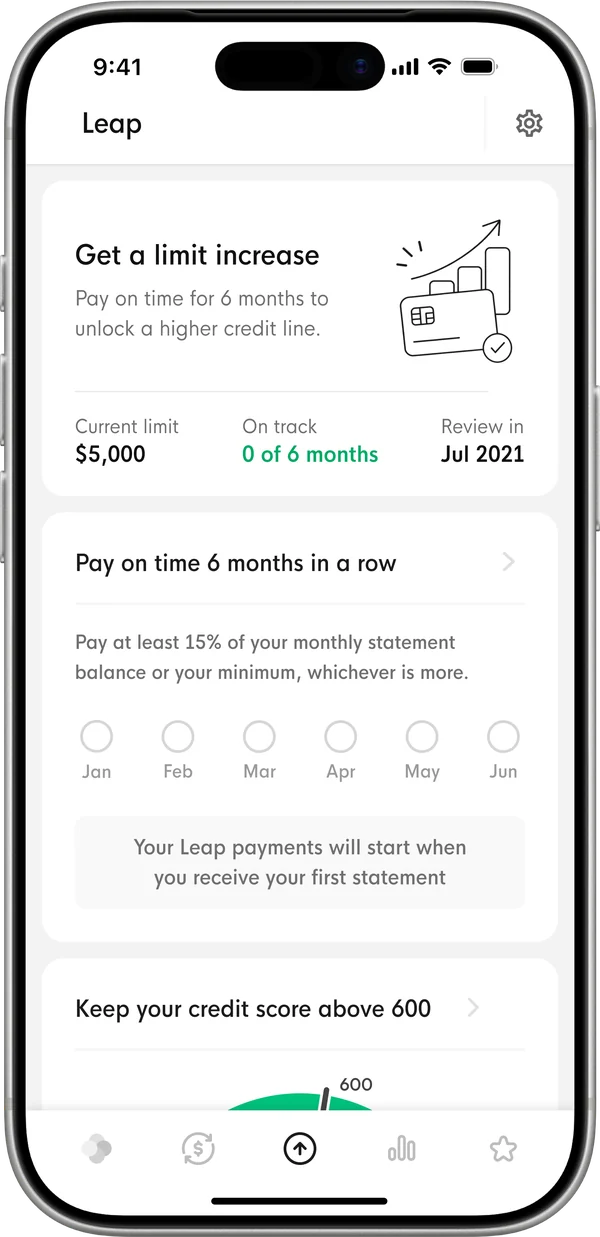
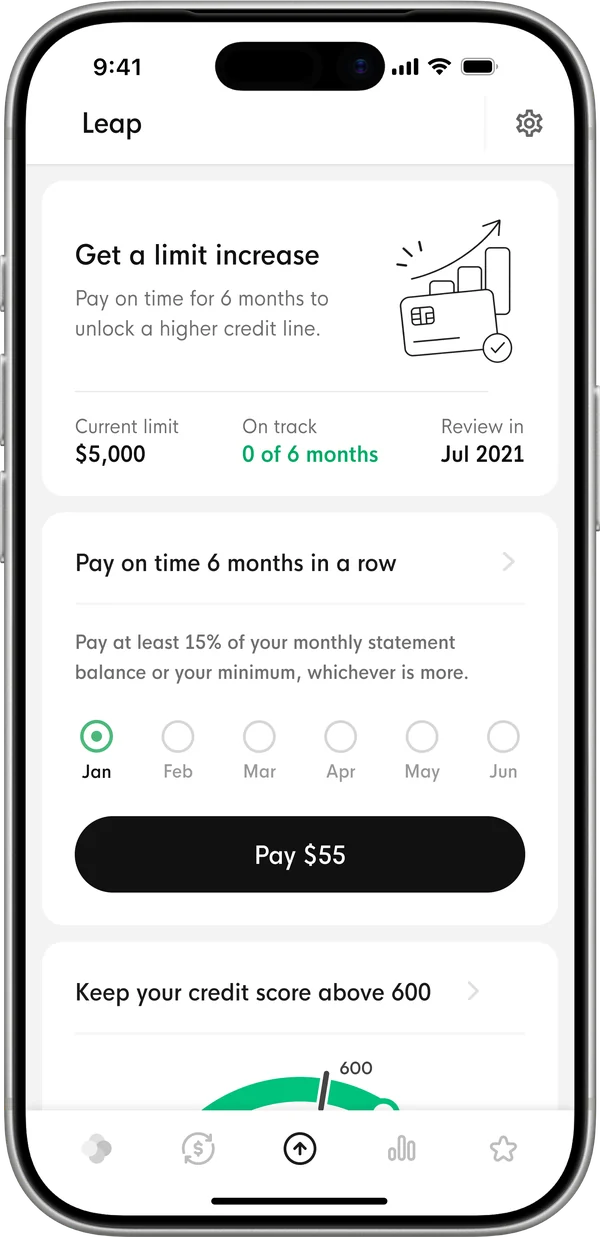
Each month, the streak says where you stand and exactly what to pay.
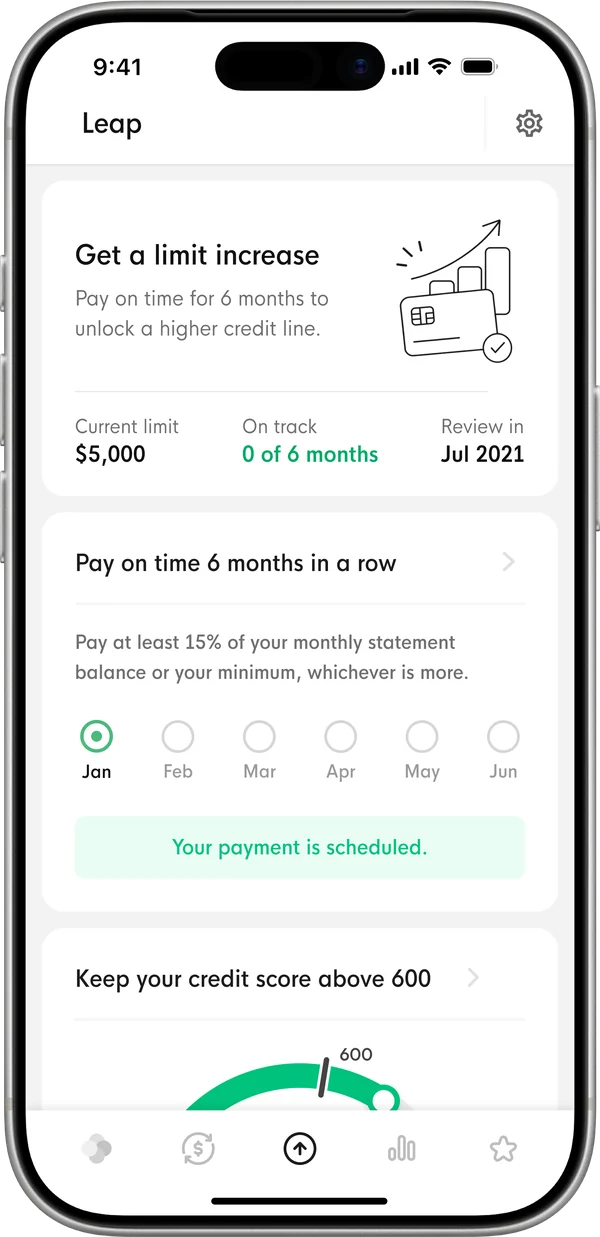
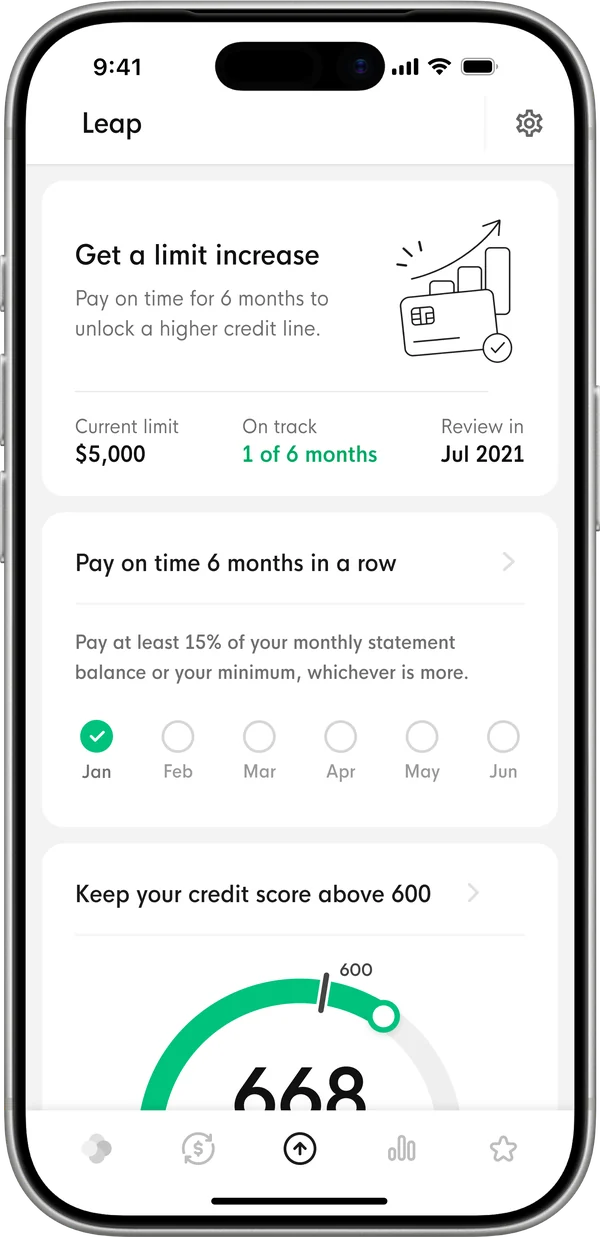
Before the first statement, all six months wait as empty circles.A green ring marks this month, and the button shows exactly what to pay.A scheduled payment gets a green note, and the button goes away.When it posts, the ring turns into a check and the count goes up.
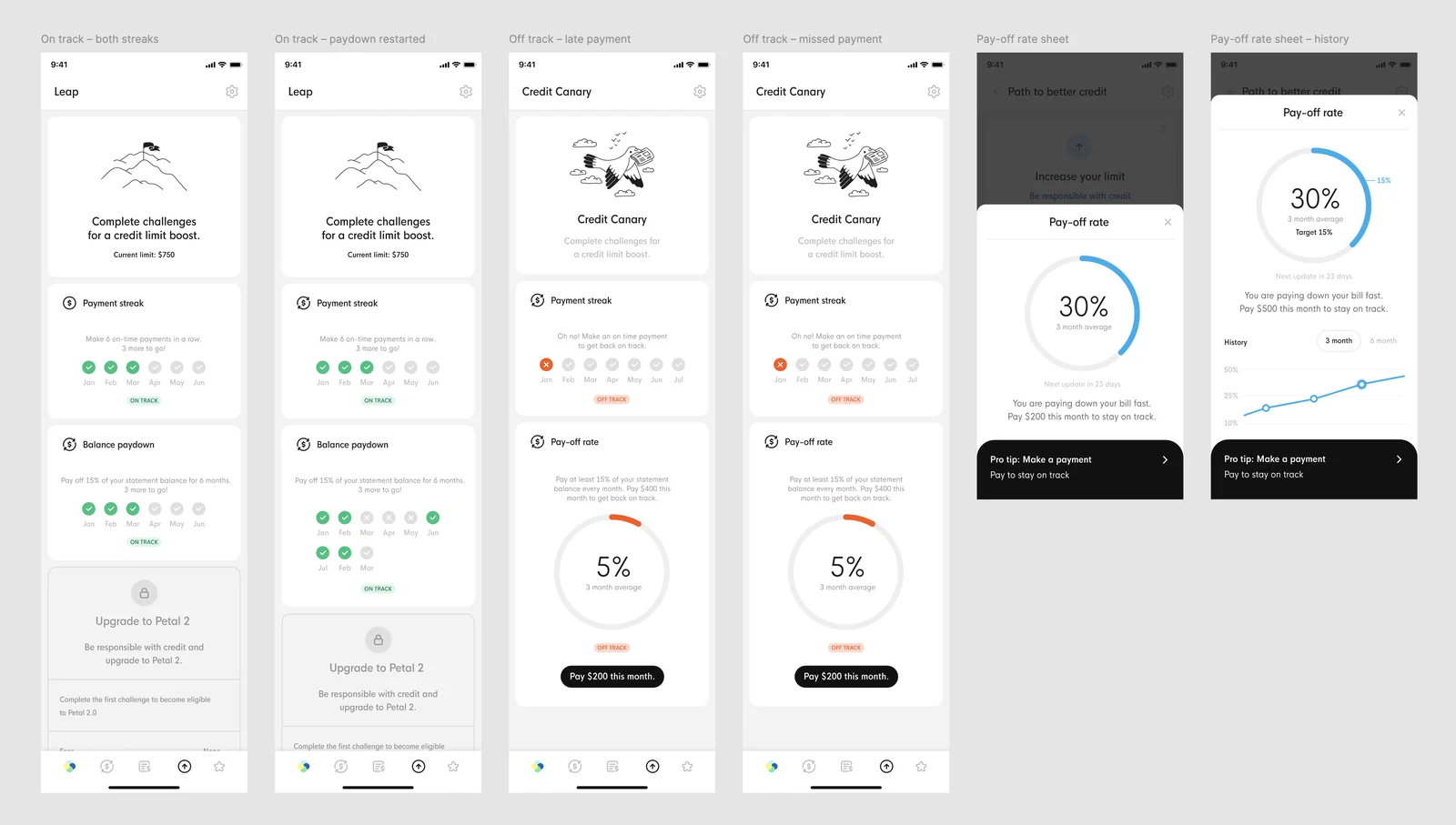
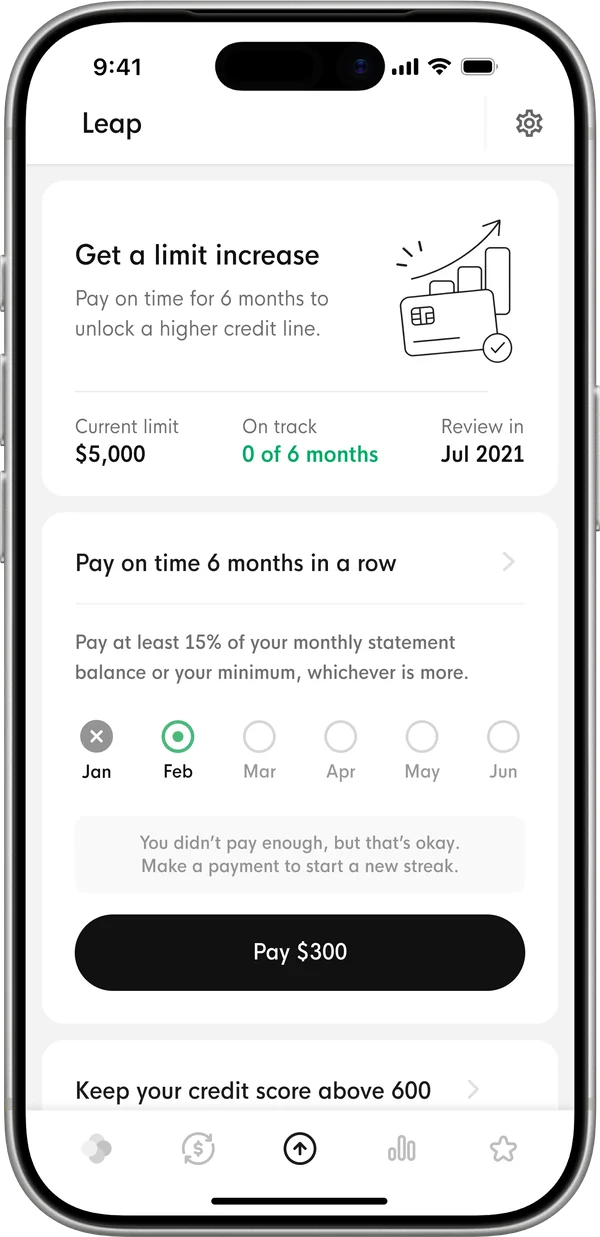
Falling short or missing a month never ends the program. The streak shows the way back.
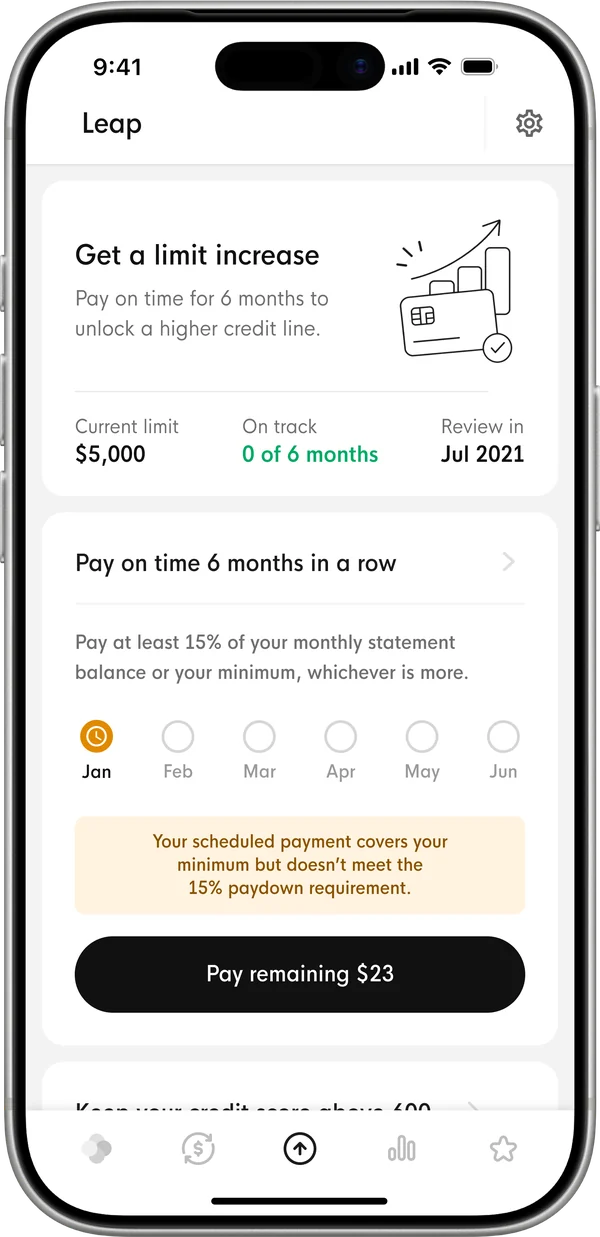
If a payment falls short, one tap covers the rest.A missed month gets a gray X and a fresh start.
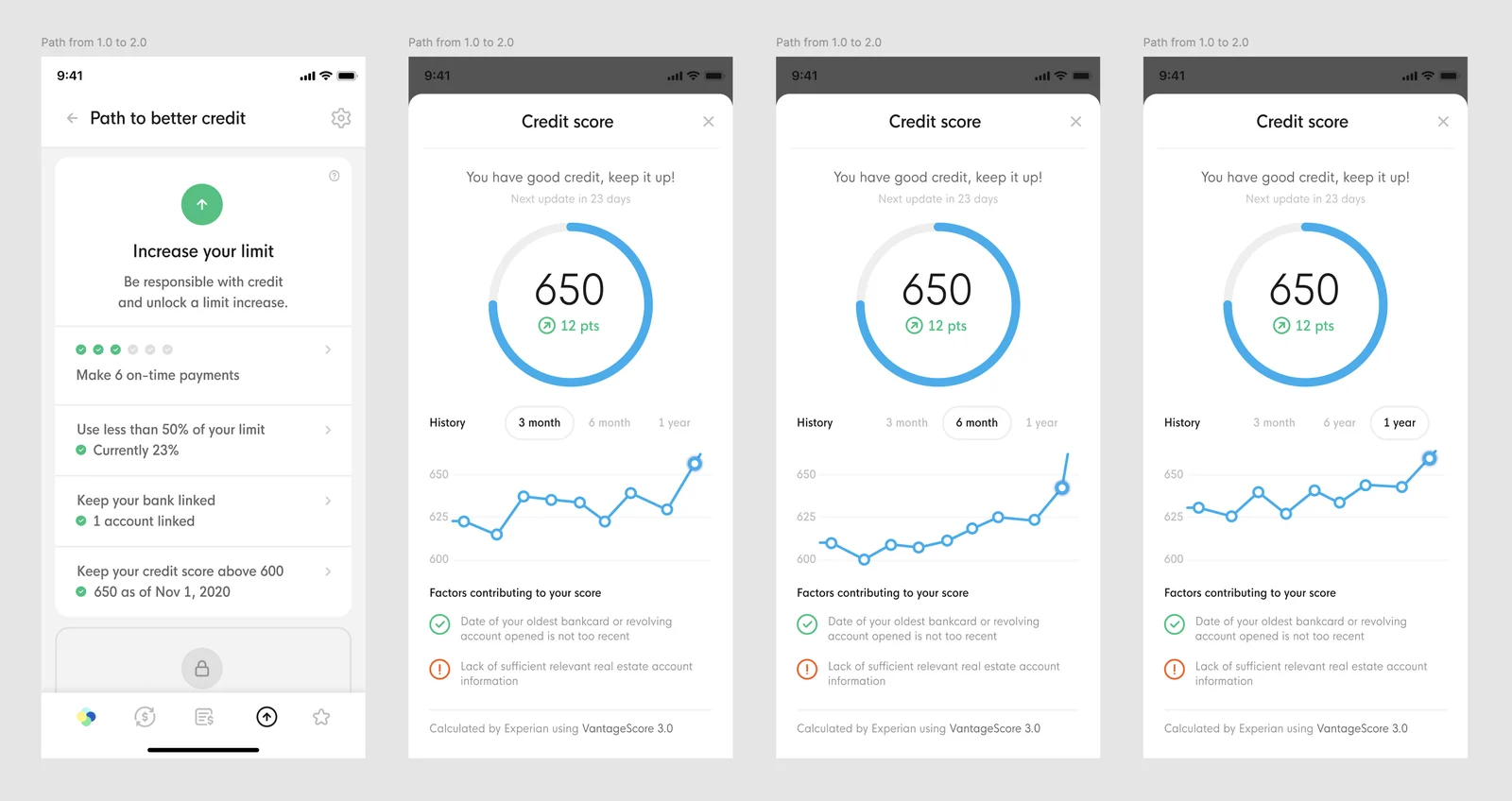
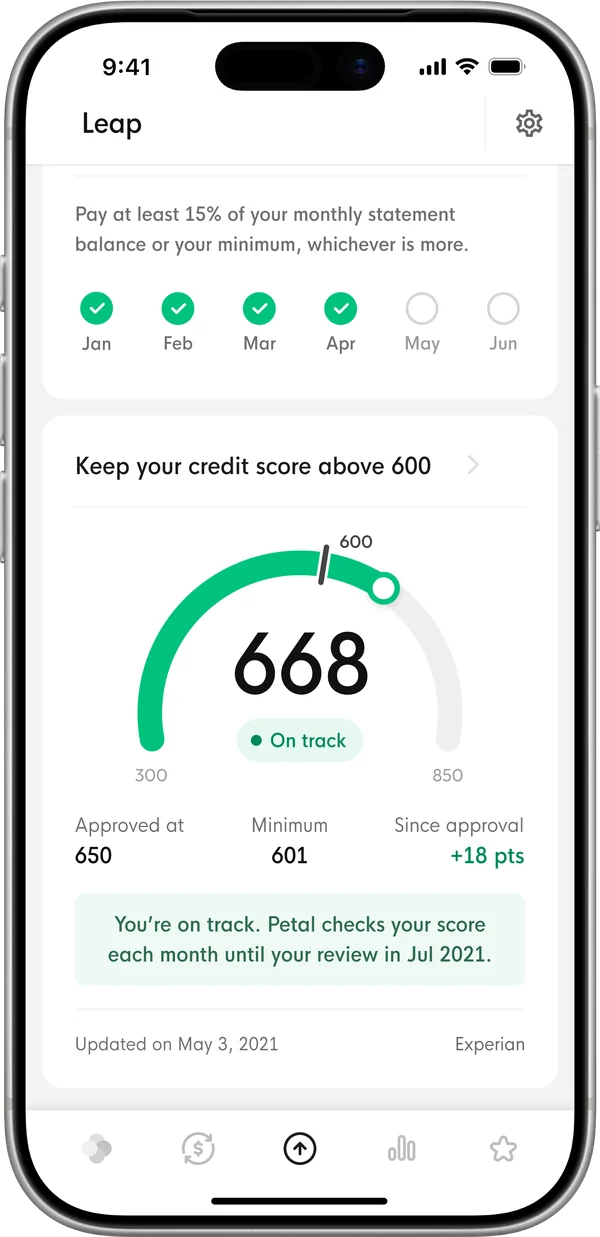
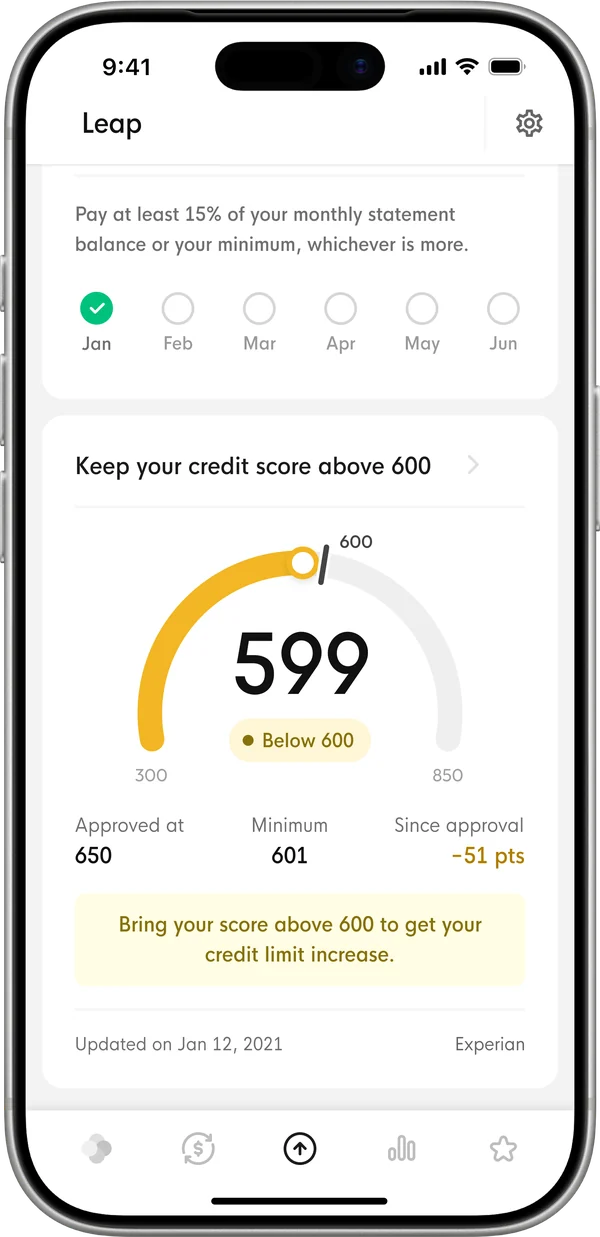
The second rule: the credit score can’t drop 50 points or more. A gauge shows how close it is to the cutoff. If six on-time months come first, the streak keeps going until the score is back above it.
Above 600, the gauge stays green and on track.
Below 600, it turns amber and says what to do.
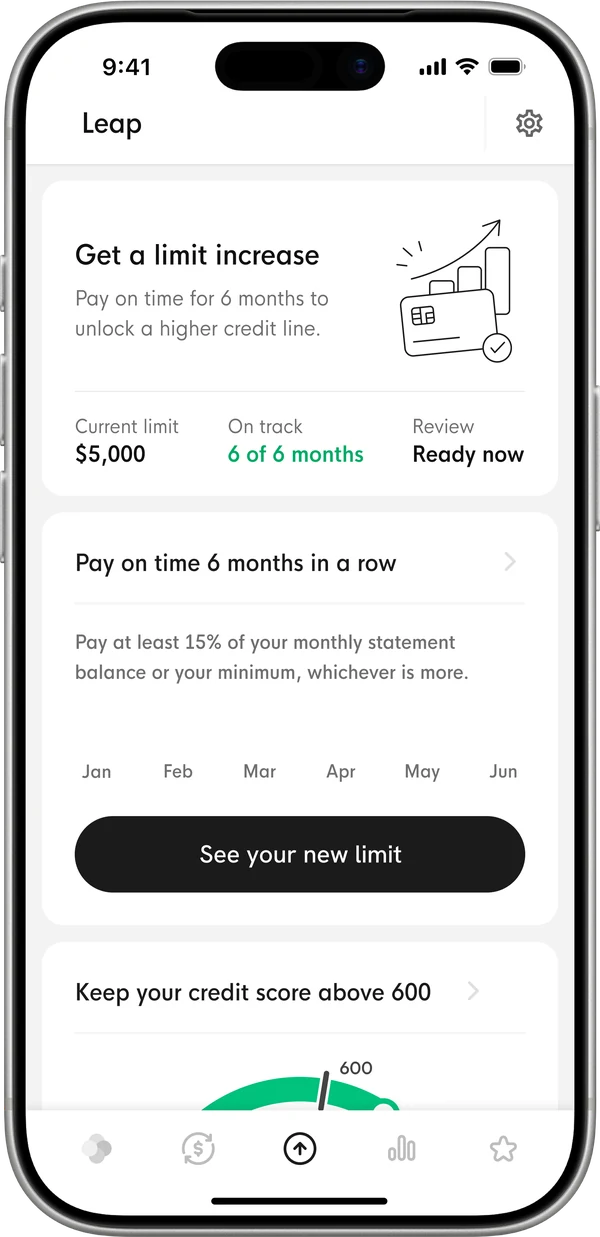
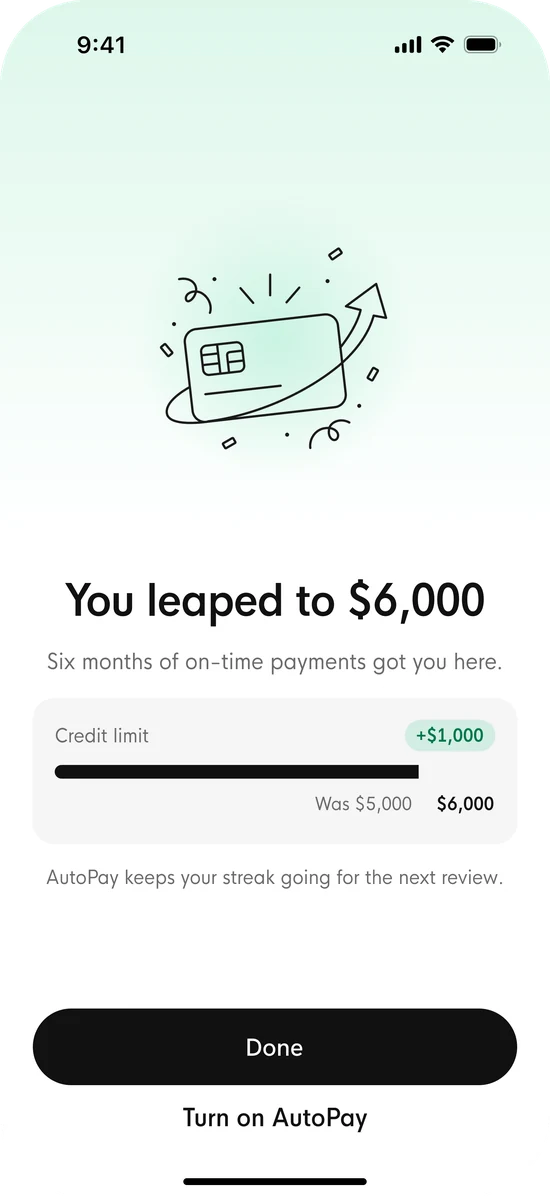
Once both rules are met, the new limit is one tap away.
Leap launched in May 2021 with the same two rules. By 2024, the six-month streak was one of several challenges.
That year, Empower announced it would acquire Petal, which had opened credit to nearly 400,000 people with little or no credit history.